Top 3D Visualization Tools Revolutionizing Design Industry

The design industry has witnessed a significant transformation over the past few years, driven by advancements in technology. One of the most impactful developments is the emergence of sophisticated 3D visualization tools. These tools have not only streamlined the design process but also elevated the creativity and efficiency of designers across various sectors, from architecture to video game development. In this article, we will explore some of the top 3D visualization tools that are currently revolutionizing the design industry.
1. Autodesk Maya
The Powerhouse of 3D Animation and Modeling
Autodesk Maya has long been a staple in the 3D design industry, renowned for its robust set of tools that cater to animation, modeling, simulation, and rendering. It is particularly favored in the fields of film, television, and video game development due to its capability to create highly realistic characters and environments.
One of the standout features of Autodesk Maya is its NURBS modeling, which allows for the creation of smooth and organic shapes that are essential in character design. Additionally, Maya’s animation tools are second to none, offering features like keyframe animation, motion paths, and rigging systems that enable designers to bring their creations to life with fluid and dynamic movements.
Seamless Integration and Customizability
Maya’s integration capabilities with other Autodesk products, such as 3ds Max and Revit, make it a versatile choice for multidisciplinary projects. Its scripting capabilities, particularly with MEL (Maya Embedded Language) and Python, allow for extensive customization, enabling developers to tailor the software to their specific workflow needs.
2. Blender
Open-Source Flexibility with Professional Capabilities
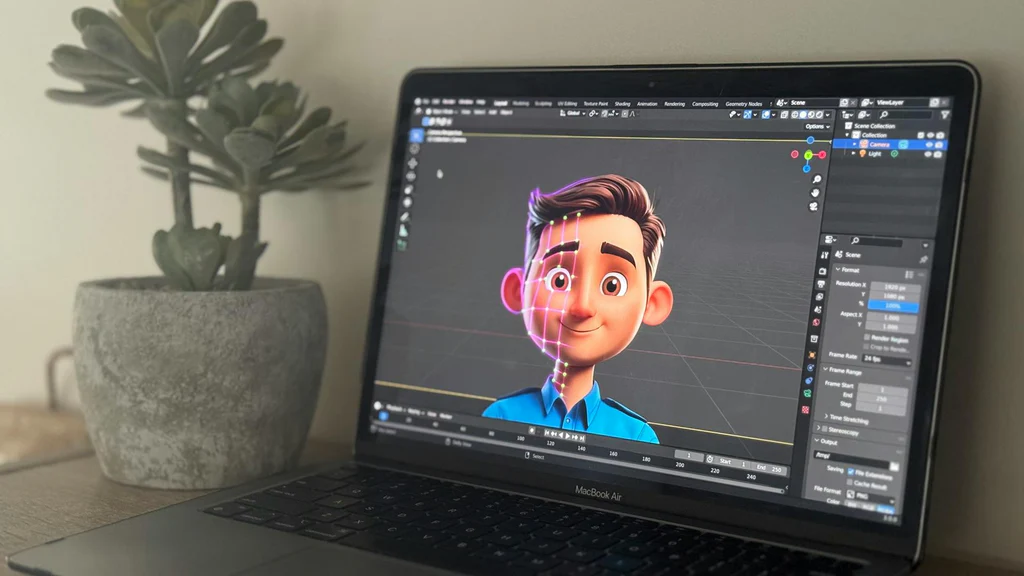
Blender is a free and open-source 3D creation suite that has gained immense popularity due to its versatile and powerful features that rival many paid applications. It serves a wide range of purposes, including 3D modeling, sculpting, animation, simulation, rendering, and even video editing.
Blender’s open-source nature means that it is constantly being improved by a global community of developers and artists. This collaborative environment has led to the development of a vast library of plugins and add-ons that enhance Blender’s functionality, allowing designers to adapt the software to their specific needs.
Real-Time Rendering with Eevee
One of Blender’s most impressive features is its real-time rendering engine, Eevee. Eevee provides artists with the ability to view scenes with near-final quality in real-time, drastically reducing rendering times and allowing for more iterative design processes. This feature is particularly beneficial for designers working with tight deadlines and limited resources.
3. SketchUp
Intuitive Design and Architectural Visualization
SketchUp is renowned for its user-friendly interface and intuitive design capabilities, making it an ideal choice for architects, interior designers, and landscape architects. Its simplicity does not come at the expense of power; SketchUp offers a comprehensive suite of tools for 3D modeling and visualization.
One of the key features of SketchUp is its push-pull tool, which allows designers to extrude 2D shapes into 3D forms effortlessly. This feature is particularly useful in architectural design, where quick prototyping and spatial visualization are essential.
Integration with Google Earth
SketchUp’s integration with Google Earth is another standout feature that allows designers to place their models in a real-world context. This capability is invaluable for visualizing how a new structure will interact with its environment, enhancing the decision-making process in architectural design.
The Impact of 3D Visualization Tools on the Design Industry
The impact of these 3D visualization tools on the design industry cannot be overstated. They have democratized access to high-quality design capabilities, allowing individual designers and small firms to compete with larger studios. Moreover, these tools have facilitated collaboration, enabling designers to work seamlessly across disciplines and locations.
Furthermore, the ability to create highly realistic visualizations has improved communication between designers and clients. Clients can now experience designs in a more tangible way, leading to better feedback and more informed decision-making. This has reduced the risk of costly revisions and increased overall client satisfaction.
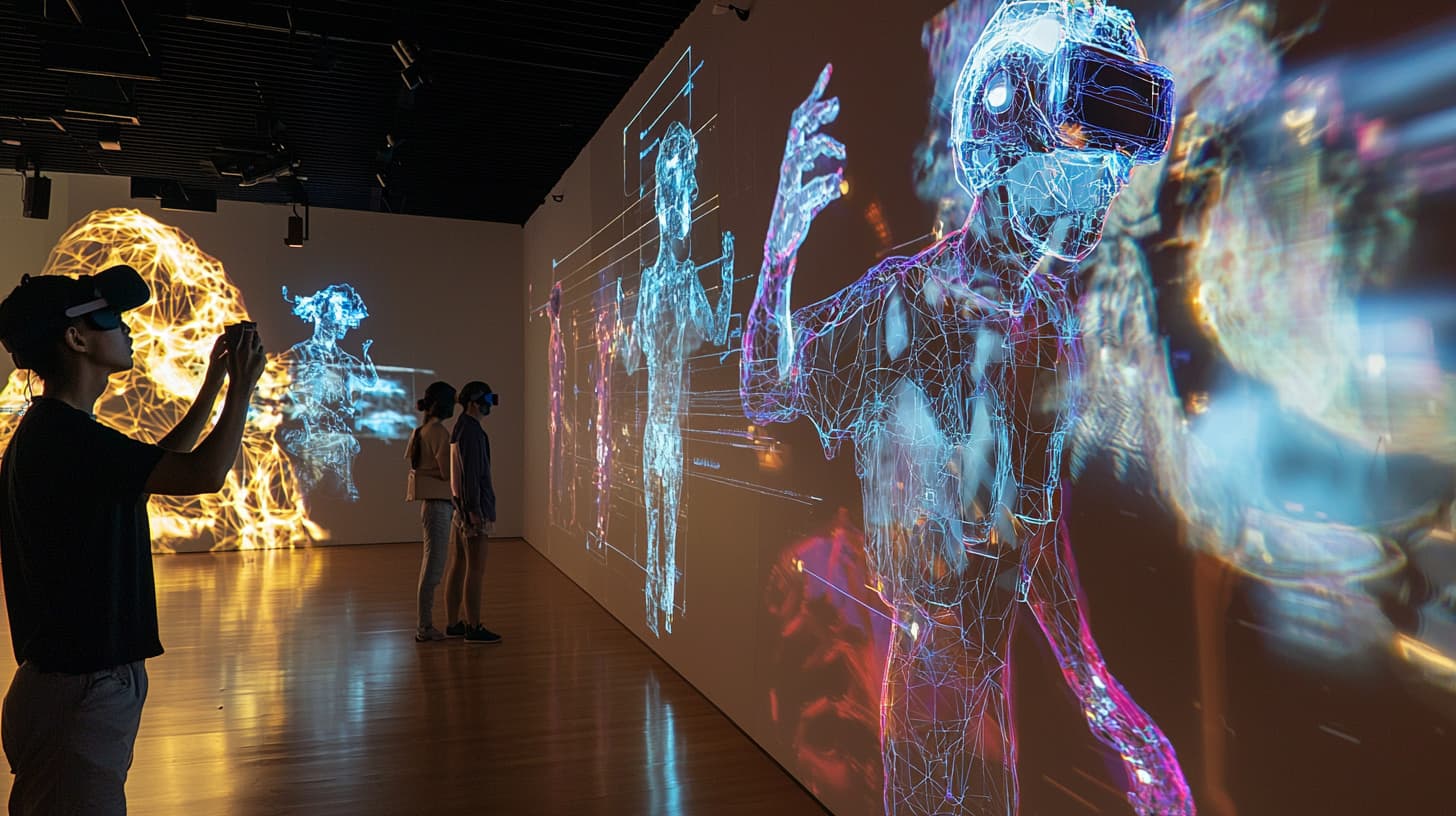
In addition to enhancing traditional design processes, these tools have opened up new possibilities in emerging fields such as virtual reality (VR) and augmented reality (AR). Designers can now create immersive environments that can be experienced in VR, offering new ways to engage with audiences and test concepts in virtual spaces before physical implementation.
Conclusion
The design industry continues to evolve at a rapid pace, and 3D visualization tools are at the forefront of this transformation. Autodesk Maya, Blender, and SketchUp are just a few examples of the powerful software that is reshaping how designers work and what they can achieve. As these tools continue to develop and new technologies emerge, the possibilities for innovation and creativity in the design industry are boundless.
Whether you’re an experienced designer or just starting your journey, embracing these tools can revolutionize your workflow and elevate your creative potential. As we look to the future, the integration of artificial intelligence, machine learning, and other cutting-edge technologies will likely further enhance the capabilities of 3D visualization tools, paving the way for even more groundbreaking advancements in the design industry.






Post Comment