Revolutionizing Art: The Rise of 3D Portraits
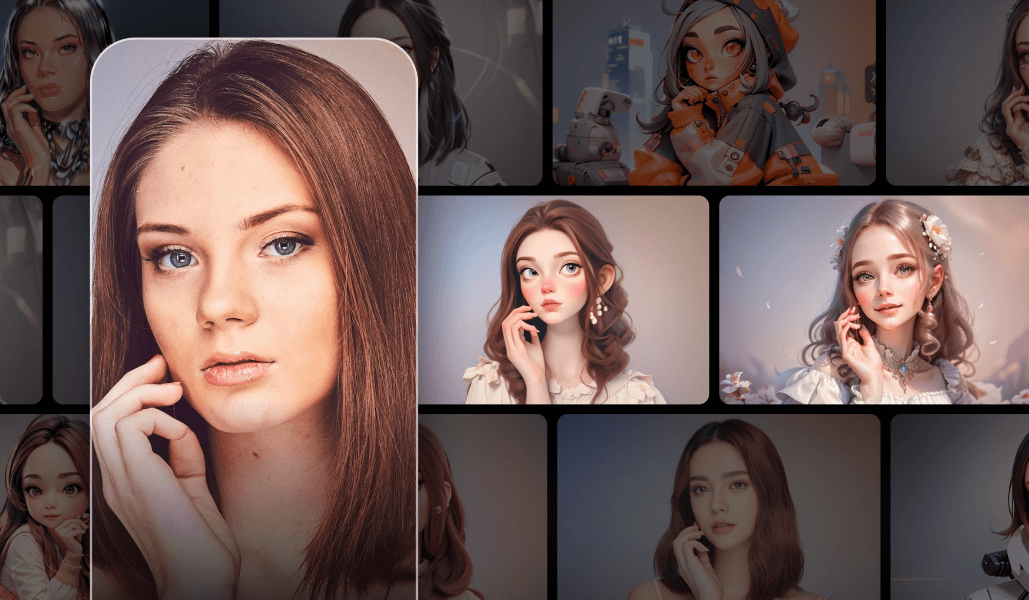
Art has always been a reflection of human civilization, capturing the essence of the era it belongs to. From the ancient cave paintings to the Renaissance masterpieces, each period has added a new dimension to artistic expression. The latest evolution in this continuum is the emergence of 3D portraits, which are revolutionizing the art world. The rise of 3D portraits represents a blend of traditional artistry and modern technology, offering a new perspective on how we view and create art.
The Evolution of Portraiture
To appreciate the significance of 3D portraits, it is essential to understand the evolution of portraiture. Historically, portraits served as a means to immortalize individuals, capturing their likeness and essence. From the lifelike sculptures of ancient Rome to the detailed oil paintings of the Renaissance, portraiture has been a vital aspect of art history. These traditional forms, while rich in detail, were confined to two dimensions.
The Advent of 3D Technology
The advent of 3D technology has changed the landscape of art and design. 3D modeling and printing have opened up new possibilities for artists, allowing them to create works that were once unimaginable. This technology utilizes computer software to create three-dimensional representations, which can be rendered digitally or brought to life through 3D printing.
The impact of 3D technology on art is profound. It has enabled artists to transcend the limitations of traditional media, offering a new depth and realism to their creations. This technology has been particularly transformative in the realm of portraiture, where artists can now create lifelike, multidimensional representations of their subjects.
The Rise of 3D Portraits
3D portraits have emerged as a groundbreaking art form, blending traditional portraiture with cutting-edge technology. This new medium offers a level of detail and realism that was previously unattainable. Artists can capture not only the likeness of their subjects but also their personality and essence.
The process of creating a 3D portrait involves several steps. First, the subject is scanned using 3D scanning technology, which captures their features in minute detail. This data is then used to create a digital model, which can be manipulated and refined by the artist. Finally, the model can be rendered in a variety of ways, from digital renderings to physical 3D prints.
This process allows for a level of customization and personalization that is unparalleled. Artists can experiment with different textures, materials, and finishes, creating unique pieces that reflect the individuality of their subjects.
Impact on the Art World
The rise of 3D portraits has had a significant impact on the art world. It has challenged traditional notions of what constitutes art, blurring the lines between the physical and digital realms. This new medium has opened up opportunities for artists to explore new themes and concepts, pushing the boundaries of creativity.
Moreover, 3D portraits have democratized the art world, making it more accessible to a wider audience. With the advent of affordable 3D printing technology, artists and enthusiasts alike can create and collect 3D portraits. This accessibility has led to a proliferation of new talent and innovation in the field.
Applications Beyond Traditional Art
The applications of 3D portraits extend beyond traditional art. In the realm of entertainment, 3D portraits are used in video games and movies to create lifelike characters and environments. In fashion, designers are using 3D portraits to create custom garments and accessories tailored to the unique measurements of individuals.
In the medical field, 3D portraits are being used for reconstructive surgery and prosthetics, providing patients with personalized solutions that improve their quality of life. These applications demonstrate the versatility and potential of 3D portraits, highlighting their impact across various industries.
Challenges and Considerations
Despite the many advantages of 3D portraits, there are challenges and considerations to address. The technology requires a certain level of expertise and equipment, which can be a barrier to entry for some artists. Additionally, there are ethical considerations regarding the use of personal data and privacy in the creation of 3D portraits.
Artists and creators must navigate these challenges thoughtfully, ensuring that they uphold ethical standards and respect the privacy of their subjects. As the technology continues to evolve, it is crucial that the art community engages in ongoing discussions to address these issues.
The Future of 3D Portraits
The future of 3D portraits is bright, with endless possibilities for innovation and creativity. As technology continues to advance, we can expect even more lifelike and immersive representations, pushing the boundaries of what is possible in art.
Virtual reality and augmented reality are likely to play a significant role in the future of 3D portraits, offering new ways for individuals to interact with and experience art. These technologies will enable artists to create dynamic, interactive portraits that engage and captivate audiences.
Conclusion
The rise of 3D portraits represents a significant shift in the art world, blending traditional artistry with modern technology to create a new form of expression. This innovative medium offers artists a new way to capture the essence of their subjects, providing a level of detail and realism that was previously unattainable.
As 3D portraits continue to gain popularity, they will undoubtedly shape the future of art, offering new opportunities for creativity and exploration. This revolution in art is just beginning, and the potential for 3D portraits is limitless, promising a future where art is more dynamic, immersive, and accessible than ever before.







Post Comment