Revolutionize Your Art with Creative 3D Photography Techniques
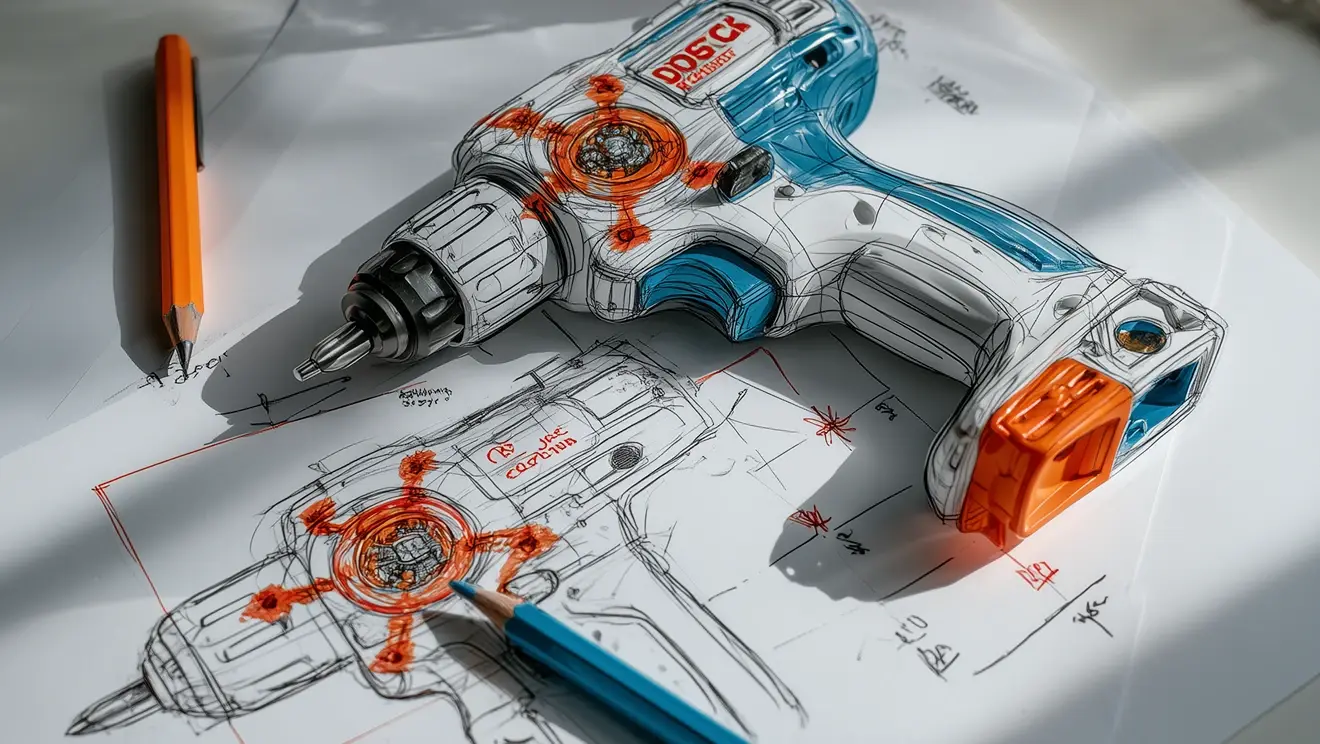
The realm of photography is ever-evolving, and with the advent of 3D technology, artists now have a revolutionary tool at their disposal. 3D photography, also known as stereoscopic photography, is a technique that captures images in a way that simulates depth perception, making the final product appear lifelike and immersive. By embracing these techniques, photographers can add a new dimension to their artistry, captivating audiences like never before.
The Basics of 3D Photography
At its core, 3D photography involves capturing two slightly offset images that, when viewed together, give the illusion of depth. This mimics the way human eyes perceive the world, with each eye capturing a slightly different viewpoint. When these images are viewed through a stereoscope or 3D glasses, they merge into a single three-dimensional image, offering a more vivid experience than traditional 2D photography.
Equipment Required
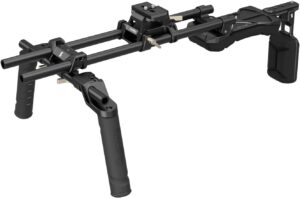
To embark on your 3D photography journey, you’ll need specific equipment. While specialized 3D cameras are available, you can also use a regular DSLR or smartphone camera with the help of additional tools. A stereo camera rig, which holds two cameras at the distance of human eyes, is one option. Alternatively, software solutions can combine two separate images taken from slightly different angles to create a 3D effect.
Understanding Depth and Perspective
Mastery of depth and perspective is crucial in 3D photography. The separation distance between the two lenses or cameras (known as the interocular distance) is key to achieving the right depth effect. Adjusting this distance can enhance or diminish the 3D effect. Additionally, understanding how to compose images with depth cues such as foreground, middle ground, and background elements can significantly impact the effectiveness of your 3D images.
Creative Techniques in 3D Photography
Once you’ve grasped the basics, it’s time to dive into creative techniques that can transform your 3D photography into a truly revolutionary art form. Here are some methods to explore:
Hyperstereo and Gigapixel 3D
Hyperstereo involves increasing the distance between the two cameras, beyond the standard interocular distance, to exaggerate depth. This technique is particularly effective in capturing expansive landscapes, giving them a surreal, larger-than-life appearance. On the other hand, gigapixel 3D photography involves capturing multiple high-resolution images and stitching them together, resulting in incredibly detailed 3D panoramas that viewers can explore in-depth.
Time-Lapse and Motion 3D
Combining the magic of time-lapse photography with 3D techniques can create captivating visuals. By capturing a series of 3D images over time, you can illustrate changes in depth and perspective in a dynamic way. Motion 3D photography involves capturing moving subjects in three dimensions, adding an extra layer of realism to action shots.
Anaglyphs and Lenticular Printing
Anaglyphs are one of the most well-known forms of 3D images, created by overlaying two images in different colors (usually red and cyan) and viewed with corresponding colored glasses. This technique can be used creatively to produce striking visual effects. Lenticular printing, on the other hand, uses lenses to create images that appear to change or move as they are viewed from different angles, offering a tactile and interactive experience.
Post-Processing and Software
Post-processing plays a significant role in 3D photography. Software such as Adobe Photoshop, Blender, and specialized 3D image processing programs can be used to refine and enhance your 3D images. These tools allow you to adjust depth, balance color disparities, and even add effects that enhance the 3D experience.
Creating Virtual Reality Experiences
With the rise of virtual reality (VR) technology, 3D photographers have the opportunity to create immersive experiences that transport viewers into the scenes they capture. By integrating 3D images into VR platforms, you can offer audiences an interactive exploration of your art, allowing them to interact with the environment in ways previously unimaginable.
Utilizing AI and Machine Learning
Artificial intelligence and machine learning are opening new doors in the realm of 3D photography. AI algorithms can be used to automatically generate 3D models from a series of photographs, reducing the time and effort required to create complex 3D scenes. Additionally, machine learning can enhance image quality and depth perception, leading to more realistic and compelling 3D images.
Practical Applications and Inspiration
The applications of 3D photography extend beyond the art world, finding utility in numerous fields such as architecture, medicine, and entertainment. However, for artists, the possibilities are endless. Here are some ideas to inspire your creative journey:
Art Exhibitions and Installations
Imagine an art exhibition where viewers don 3D glasses to experience your work in a whole new dimension. Installations featuring 3D photography can transform ordinary spaces into immersive environments that engage and captivate audiences, offering them a unique way to interact with art.
Storytelling and Visual Narratives
3D photography can revolutionize storytelling by adding depth to visual narratives. By creating 3D photo series or combining still images with 3D animation, you can tell stories that resonate with viewers on a deeper level, enhancing emotional connections and engagement.
Commercial and Fashion Photography
In the commercial world, 3D photography is gaining traction as a tool for creating compelling product images. In fashion photography, 3D techniques can highlight garment details and textures, offering potential buyers a more comprehensive view of the product. This approach not only enhances the shopping experience but also sets brands apart in a competitive market.
Conclusion
In conclusion, 3D photography represents a bold and exciting frontier for artists and photographers alike. By mastering the techniques and embracing creative approaches, you can revolutionize your art and captivate audiences in ways never before possible. Whether you’re an aspiring artist or a seasoned professional, the world of 3D photography invites you to explore new dimensions and push the boundaries of your creativity.






Post Comment