Immersive Visual Art: How 3D Imaging Is Changing Art
The world of art is in a constant state of evolution, perpetually shaped and reshaped by advancements in technology and shifts in cultural paradigms.
The world of art is in a constant state of evolution, perpetually shaped and reshaped by advancements in technology and shifts in cultural paradigms. The latest revolution in this arena is the rise of immersive visual art, a transformative wave that’s redefining how we experience and engage with artistic expression. This new era is not just a continuation of traditional art forms but a profound reimagining that leverages the power of technology to create multisensory experiences. As we delve into this revolution, we explore the technologies driving this change, the unique experiences they offer, and the implications for artists and audiences alike.
The Technological Canvas
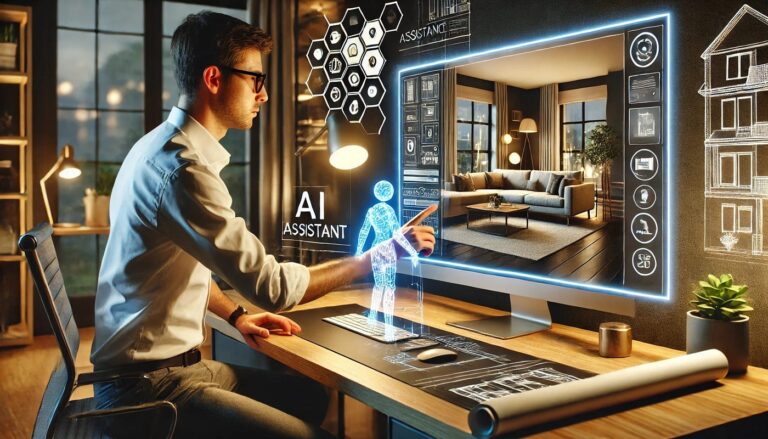
At the heart of this revolution is technology. Virtual reality (VR), augmented reality (AR), and mixed reality (MR) are the new canvases for artists, offering tools that expand creative possibilities beyond the constraints of the physical world. These technologies allow artists to construct immersive environments that viewers can explore, interact with, and even alter in real-time.
VR transports users into completely fabricated environments, offering a sense of presence and immersion that traditional mediums cannot. AR, on the other hand, overlays digital elements onto the real world, blending reality with virtual enhancements. MR merges these approaches, creating interactive experiences that respond to the physical environment and user inputs. Together, these technologies are empowering artists to craft experiences that are not only visually stunning but also deeply engaging.
Transformative Experiences
Immersive visual art transforms the way we experience art. Traditional art forms often rely on passive observation; immersive art, however, invites active participation. Viewers become participants, their movements and decisions influencing the unfolding narrative or artwork. This shift from passive to active engagement creates a more personal and memorable experience.
Consider the difference between viewing a static painting and stepping into a VR environment where the painting’s world comes to life around you. In the latter, you’re not just observing but part of the story. This interactivity not only enhances engagement but also allows for a deeper emotional connection with the art.
Moreover, immersive art can transcend traditional boundaries of time and space. Viewers can explore historical events, distant locations, or fantastical realms, all from the comfort of their current location. This accessibility democratizes art, making it available to a broader audience and fostering a greater appreciation for diverse cultures and perspectives.
Artistic Innovation
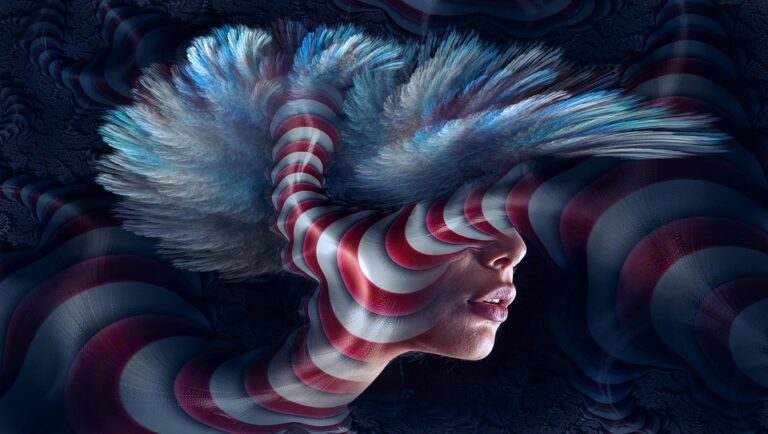
The rise of immersive art is also spurring unprecedented innovation in artistic expression. Artists are experimenting with new forms and methods, blending disciplines such as visual arts, music, dance, and theater to create holistic experiences. This interdisciplinary approach is blurring the lines between different art forms, fostering a new breed of creators who are as comfortable with a paintbrush as they are with a programming language.
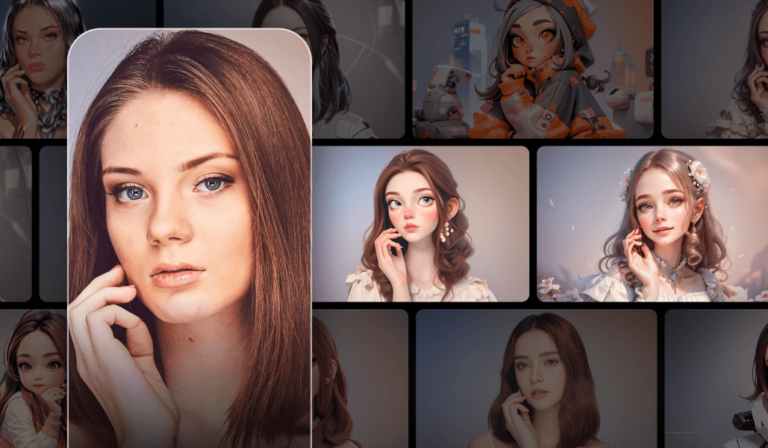
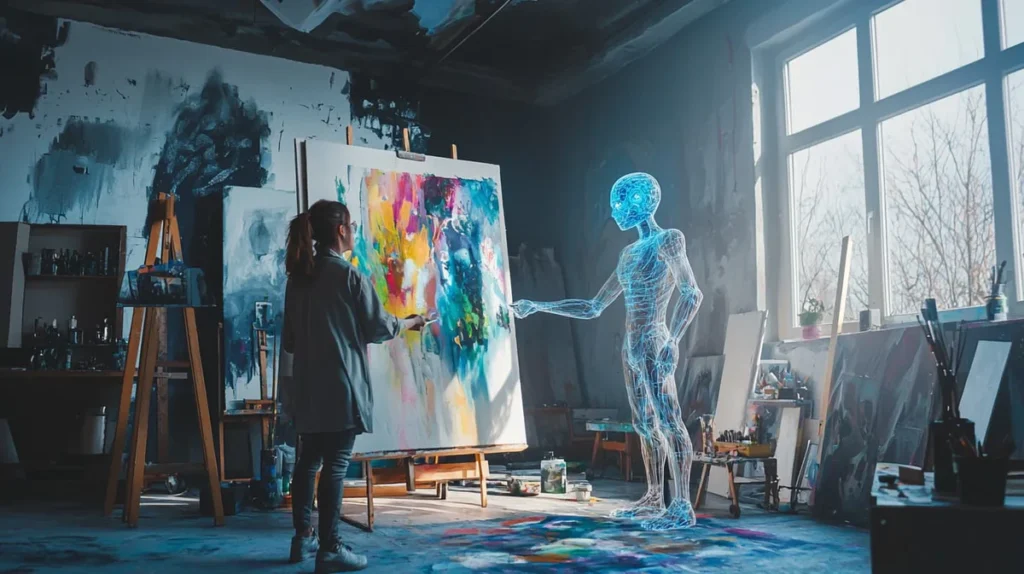
For instance, the integration of AI in art creation is opening new avenues for creativity. AI algorithms can assist in generating visuals, composing music, or even choreographing movements, providing artists with unexpected inspiration and novel tools. The collaboration between human and machine is not about replacing creativity but enhancing it, pushing the boundaries of what is possible in art.
These innovations are not limited to individual creators; entire institutions are embracing immersive technology. Museums and galleries are incorporating VR and AR into their exhibits, offering visitors an interactive experience that complements traditional displays. This fusion of technology and art is redefining the role of cultural institutions, transforming them into dynamic spaces for exploration and learning.
Challenges and Considerations
Despite the exciting possibilities, the rise of immersive visual art is not without challenges. One significant concern is accessibility. While technology is democratizing art in many ways, it also risks creating a divide between those who can access high-tech experiences and those who cannot. Ensuring that these experiences are affordable and accessible to a wide audience is crucial for the sustainable growth of immersive art.
Furthermore, the ephemeral nature of digital experiences poses a challenge for preservation. Unlike traditional art forms that can be physically stored and maintained, digital art requires constant updates and technological support to remain accessible. This raises questions about the longevity and conservation of digital works, necessitating new strategies for preservation.
Ethical considerations also come into play, particularly concerning data privacy and user consent. As immersive experiences often require personal data to tailor interactions, ensuring the protection of this information is paramount. Artists and developers must navigate these ethical landscapes carefully, balancing creative freedom with responsible use of technology.
The Future of Immersive Art
Looking ahead, the future of immersive visual art is bright and full of potential. As technology continues to advance, the line between the physical and virtual will blur even further, creating new opportunities for artists to explore. We can anticipate more sophisticated and seamless experiences, driven by innovations in AI, real-time rendering, and haptic feedback systems that enhance the tactile sensations of digital environments.
Education and community engagement are likely to play vital roles in the future of immersive art. Educational institutions are beginning to incorporate immersive technologies into their curricula, preparing the next generation of artists to harness these tools. Community-driven projects may also flourish, enabling diverse voices to participate in the creation and sharing of immersive experiences.
Moreover, as society grapples with global challenges, immersive art has the potential to inspire change by fostering empathy and understanding. By placing audiences in the shoes of others or highlighting pressing issues through compelling narratives, immersive art can raise awareness and provoke meaningful discussions.
Conclusion
The revolutionizing of immersive visual art marks a new era in the artistic landscape, one that is characterized by innovation, interactivity, and inclusivity. As technology continues to evolve, so too will the possibilities for creative expression, offering artists new tools to engage and inspire audiences. While challenges remain, the potential for immersive art to transform how we experience and appreciate art is undeniable. This new era invites us all to explore, participate, and imagine the future of art in ways we never thought possible. With each step forward, immersive art reaffirms its promise as a powerful medium for connection, exploration, and transformation in the 21st century.