Surreal 3D Photography: Unlocking the World of Dreams

In a world where reality often confines our imagination, surreal 3D photography emerges as a beacon of creative liberation, unlocking the world of dreams. This fascinating art form combines the technical prowess of 3D modeling and rendering with the whimsical, boundary-pushing elements of surrealism. The result is a visual experience that transcends conventional photography, inviting viewers to explore alternate realities and question the nature of existence.
Surreal 3D photography is not merely a digital exercise; it is an artistic journey that challenges perceptions and evokes emotions. By blending the fantastical with the tangible, artists create dreamlike scenes that captivate the mind. This article delves into the mesmerizing realm of surreal 3D photography, exploring its history, techniques, and the visionary artists who propel it forward.
The Origins of Surrealism
To understand surreal 3D photography, one must first appreciate the roots of surrealism itself. Emerging in the early 20th century, surrealism was an artistic and cultural movement aimed at transcending the ordinary through the exploration of the unconscious mind. Pioneered by figures like André Breton, Salvador Dalí, and René Magritte, surrealism sought to dismantle the barriers between dreams and reality, often through bizarre and illogical imagery.
This movement laid the groundwork for artists to explore the depths of their imagination, questioning the very fabric of reality. Surrealism’s emphasis on dream-like visuals and subconscious expression naturally extended into the digital realm with the advent of 3D technology, leading to the birth of surreal 3D photography.
The Evolution of 3D Photography
3D photography has evolved significantly since its inception, with technological advancements enabling artists to push creative boundaries further than ever before. Initially, 3D photography involved stereoscopic techniques, utilizing two images to create the illusion of depth. However, with the rise of computer graphics and digital rendering, 3D photography has transformed into a sophisticated art form capable of producing hyper-realistic and fantastical scenes.
The integration of 3D modeling software like Blender, Maya, and Cinema 4D has empowered artists to construct intricate, otherworldly landscapes and characters that defy conventional reality. These tools allow for the precise manipulation of light, texture, and perspective, enabling the creation of surreal compositions that challenge the viewer’s perception.
Techniques in Surreal 3D Photography
Surreal 3D photography is a fusion of technical mastery and artistic vision. The following techniques are commonly employed by artists to achieve their dreamlike creations:
1. Layered Composition
Artists often use layered composition to build complex scenes that evoke a sense of depth and intrigue. By stacking multiple elements, they create a visual hierarchy that guides the viewer’s eye through the image. This technique allows for the seamless integration of disparate elements, blending the surreal with the real.
2. Hyper-Realistic Rendering
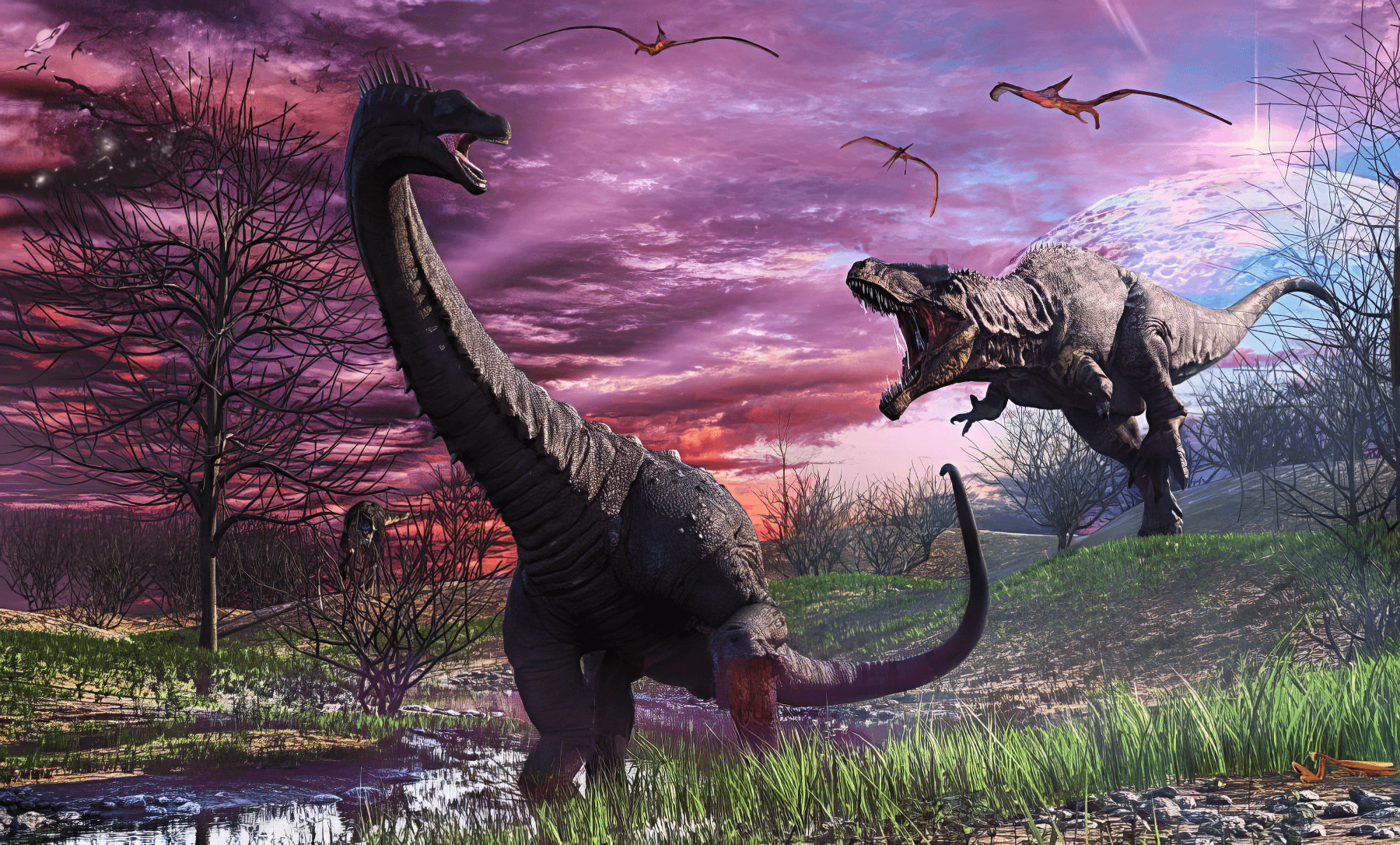
Achieving a hyper-realistic finish is crucial in surreal 3D photography. Artists meticulously model and texture each element, paying close attention to lighting and shadows. Advanced rendering engines, such as V-Ray or Octane Render, are employed to achieve photorealistic quality, making the surreal elements appear convincingly real.
3. Dreamlike Color Palettes
Color plays a vital role in evoking the dreamlike quality of surreal 3D photography. Artists often use soft pastels, vibrant hues, or monochromatic schemes to create mood and atmosphere. The careful selection of colors enhances the emotional impact of the image, drawing viewers into the artist’s imagined world.
4. Unnatural Juxtaposition
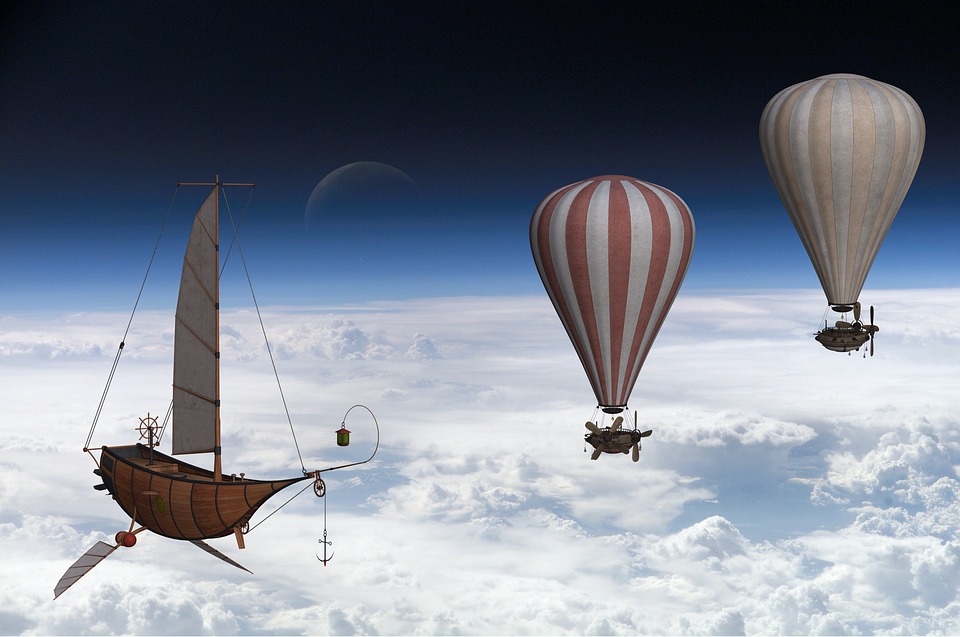
A hallmark of surrealism is the juxtaposition of familiar objects in unfamiliar settings. Surreal 3D photographers often place ordinary elements in extraordinary contexts, creating a sense of surprise and wonder. This technique encourages viewers to question their understanding of reality and explore new interpretations.
Influential Artists in Surreal 3D Photography
The world of surreal 3D photography is populated by visionary artists who push the boundaries of creativity. Here are some influential figures in this field:
1. Mike Winkelmann (Beeple)
Beeple, a digital artist known for his groundbreaking work in 3D art, has been a significant influence in the realm of surreal 3D photography. His daily render project, which spans over a decade, showcases a wide range of surreal and thought-provoking scenes that challenge societal norms and explore futuristic themes.
2. Filip Hodas
Filip Hodas, also known as Hoodass, is renowned for his intricate 3D renderings of surreal landscapes. His work often features dystopian themes, blending elements of nature and technology in unexpected ways. Hodas’s ability to create immersive environments with a touch of dark humor has earned him a dedicated following.
3. Cornelius Dämmrich
Cornelius Dämmrich specializes in creating hyper-detailed 3D scenes that blur the line between reality and imagination. His attention to detail and masterful use of lighting result in captivating images that transport viewers to alternate dimensions. Dämmrich’s work demonstrates the power of 3D technology in realizing surreal concepts.
4. Aeforia
Aeforia, a Canadian digital artist, combines surreal elements with vibrant colors and dynamic compositions. His work often features human figures in fantastical settings, exploring themes of identity and transformation. Aeforia’s unique style and imaginative approach make him a standout figure in the surreal 3D photography community.
The Impact of Surreal 3D Photography
Surreal 3D photography has a profound impact on both the art world and popular culture. By merging digital innovation with artistic expression, it challenges traditional notions of photography and expands the possibilities of visual storytelling. This art form has found its way into various industries, including film, advertising, and virtual reality, where it continues to inspire and captivate audiences.
In advertising, surreal 3D photography is used to create eye-catching visuals that break through the clutter and leave a lasting impression. Brands leverage the dreamlike quality of surreal imagery to evoke emotions and convey complex messages in a visually engaging manner.
In the realm of virtual reality, surreal 3D photography plays a pivotal role in creating immersive experiences. By crafting fantastical environments, artists transport users into alternate realities, enabling them to explore and interact with surreal landscapes in unprecedented ways.
Conclusion
Surreal 3D photography represents a convergence of technology and creativity, offering a glimpse into the limitless potential of the digital realm. By harnessing the power of 3D modeling and rendering, artists unlock the world of dreams, inviting viewers to question reality and explore the depths of their imagination.
As this art form continues to evolve, it challenges us to reconsider our perceptions and embrace the fantastical. Surreal 3D photography is not just about visual spectacle; it is a profound exploration of the human psyche, encouraging us to dream beyond the confines of reality. Whether through hyper-realistic renderings or dreamlike compositions, this captivating art form pushes the boundaries of what is possible, leaving a lasting impact on the world of art and beyond.







Post Comment