Mastering 3D Photo Composition for Stunning Visuals

In the realm of photography, 3D photography has emerged as a captivating
technique, offering unparalleled depth and realism. Unlike traditional
photography, which captures scenes on a flat plane, 3D photography creates
images that can make viewers feel as though they are stepping into the
scene. This article delves into the art of mastering 3D photo composition
to produce stunning visuals that captivate and engage.
Understanding the Basics of 3D Photography
Before diving into composition techniques, it’s essential to understand
the fundamentals of 3D photography. At its core, 3D photography involves
capturing two slightly different images simultaneously—one for the left
eye and one for the right. These images are then combined to create a
stereoscopic effect, mimicking human binocular vision and creating a sense
of depth.
The Role of Equipment
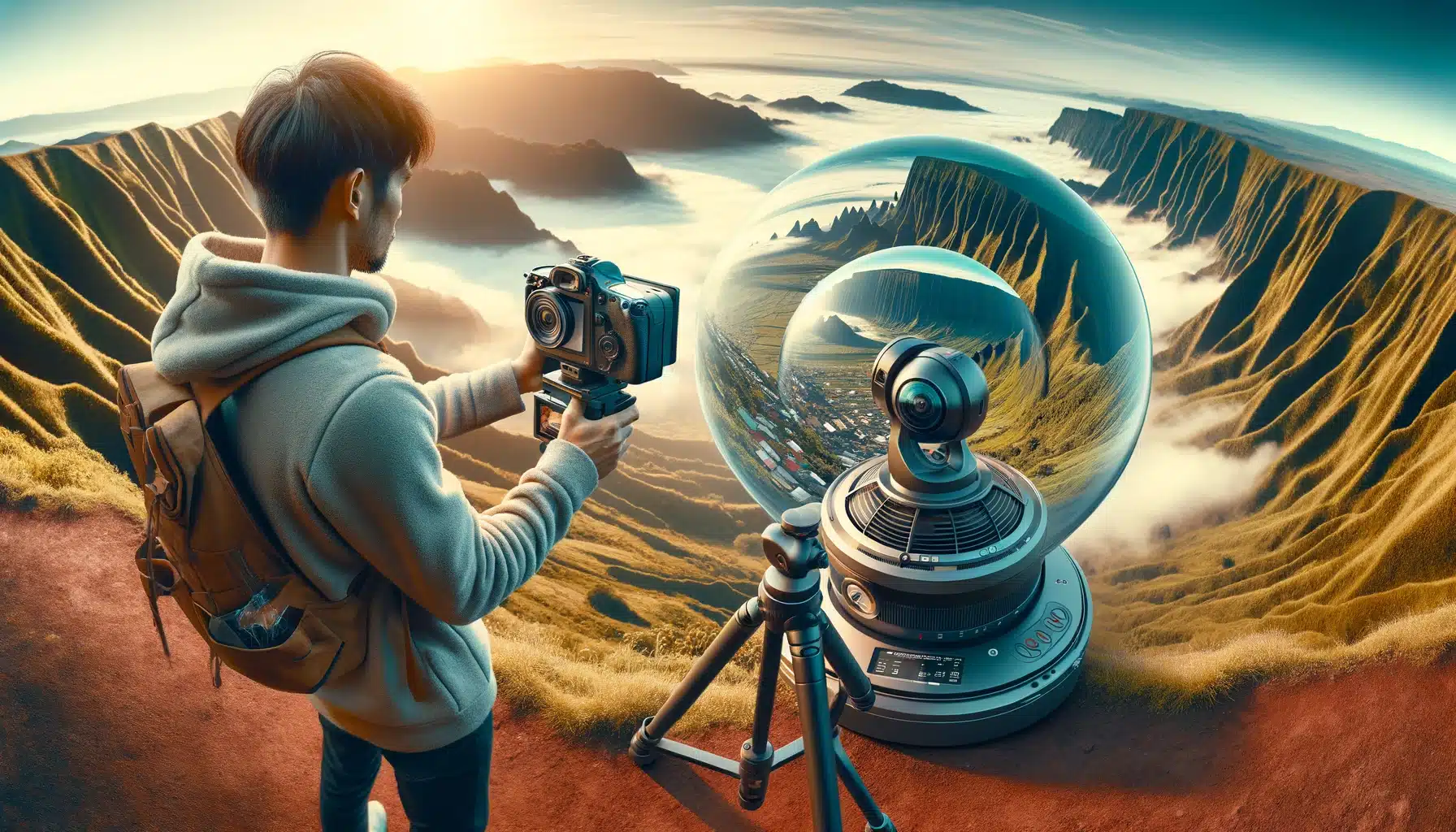
To capture 3D images, photographers typically use a dual-lens camera,
which simulates the distance between human eyes. Alternatively, you can
use specialized software to combine images taken from slightly different
angles with a single-lens camera. Regardless of the method, understanding
your equipment is crucial for achieving optimal results.
Understanding Depth and Perspective
Depth and perspective are the cornerstones of 3D photography. By
manipulating these elements, you can create images that are not only
visually appealing but also immersive. Mastering the play between
foreground, middleground, and background is key to creating a balanced
composition that guides the viewer’s eye naturally through the scene.
Principles of 3D Photo Composition
Composition is the art of arranging elements within a frame. In 3D
photography, effective composition enhances the stereoscopic effect and
adds depth to your images. Here are some principles to keep in mind:
Rule of Thirds
The rule of thirds is a fundamental principle in photography, and it
applies equally to 3D photography. By dividing your frame into a grid of
nine equal parts and placing key elements along these lines or at their
intersections, you create a more dynamic and balanced composition.
Leading Lines
Leading lines guide the viewer’s eye through the image, creating a sense
of movement and depth. In 3D photography, leading lines can be used to
accentuate the sense of perspective, drawing the viewer into the scene.
Roads, rivers, or architectural lines are effective elements to include.
Foreground Interest
Including a strong foreground element in your 3D photo can enhance the
perception of depth. Objects in the foreground provide a point of
reference, allowing viewers to better appreciate the scale and distance of
the scene. This technique can be particularly effective in landscape
photography.
Advanced 3D Composition Techniques
Beyond the basic principles, several advanced techniques can elevate your
3D photo compositions to the next level.
Utilizing Depth of Field
Depth of field plays a significant role in 3D photography, influencing how
much of the scene is in focus. A shallow depth of field can draw attention
to a specific subject, while a deep depth of field can capture the entire
scene in sharp detail. Balancing depth of field with 3D effects requires
careful consideration of lens aperture and focal length.
Layering and Overlapping
Layering involves arranging elements within the frame so that they overlap
slightly, adding a sense of depth and dimension. This technique
emphasizes the spatial relationship between objects and can enhance the
stereoscopic effect. Skilled use of layering can lead to more complex and
engaging compositions.
Playing with Light and Shadow
Light and shadow are powerful tools in 3D photography. By strategically
using light to highlight certain areas, you can create a dramatic effect
that enhances depth and texture. Shadows, on the other hand, can add a
sense of mystery and intrigue, encouraging viewers to explore the image
further.
Editing and Post-Processing for 3D Photography
Post-processing is a critical step in refining your 3D photographs. With
the right techniques, you can enhance the stereoscopic effect and bring
out the full potential of your images.
Color Correction and Contrast
Adjusting color balance and contrast can significantly impact the mood and
depth of your 3D photos. Enhancing contrast can make elements pop,
accentuating depth, while color correction ensures that your image appears
natural and vibrant.
3D Alignment and Corrections
Ensuring that the two images in your 3D photo align perfectly is crucial
for a seamless viewing experience. Post-processing software often includes
tools for correcting misalignments and ensuring that the images are
properly synchronized, minimizing viewer discomfort.
Enhancing Detail and Texture
Emphasizing texture can add depth and realism to your 3D photos. Using
sharpening tools to enhance details can make your images more immersive.
However, it’s important to strike a balance to avoid over-processing,
which can lead to unnatural results.
Conclusion: The Art of 3D Photo Composition
Mastering 3D photo composition is both an art and a science. By combining
technical knowledge with creative vision, photographers can create
stunning visuals that captivate and engage viewers. Whether you’re
capturing landscapes, portraits, or abstract scenes, understanding and
applying the principles of 3D composition will elevate your work to new
heights. As you continue to experiment and refine your techniques, you’ll
discover the endless possibilities that 3D photography has to offer.
#ChatGPT assisted in the creation of this article.









Post Comment