Mastering Realistic 3D Rendering for Stunning Visuals

3D Rendering
3D rendering has revolutionized the way we visualize concepts, whether for films, video games, architecture, or product design. It transforms three-dimensional models into lifelike images that can astound viewers with their realism. The journey from a mere 3D model to a stunning visual masterpiece involves mastering various rendering techniques and understanding the intricate details of lighting, textures, and colors. In this article, we will delve into the essentials of mastering realistic 3D rendering to create visuals that captivate audiences.
Understanding the Basics of 3D Rendering
The Role of 3D Models
At the heart of any 3D rendering project lies the 3D model. These models are the digital blueprints that provide shape, structure, and form to the final visual output. The quality of the model directly impacts the realism of the render, making it crucial to start with a well-detailed and accurate model. Using software such as Blender, Autodesk Maya, or 3ds Max, artists can build models that range from simple geometric shapes to complex, organic forms.
The Importance of Lighting
Lighting is one of the most critical components in 3D rendering, as it affects the mood, depth, and realism of the scene. Understanding different lighting techniques, such as ambient, directional, point, and spotlights, allows artists to manipulate how light interacts with objects in a scene. Global Illumination (GI) and High Dynamic Range Imaging (HDRI) are advanced techniques that simulate realistic lighting conditions by considering how light bounces off surfaces and affects the environment.
Textures and Materials
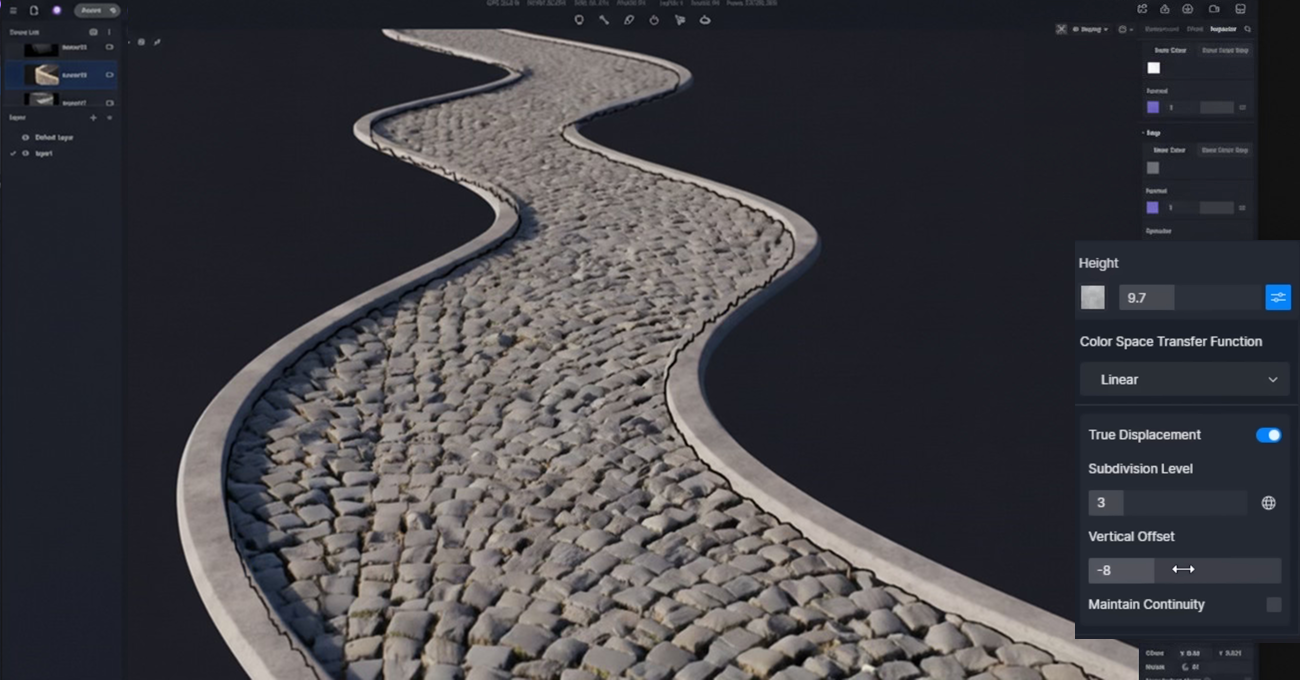
Textures give 3D models their visual details, such as color, surface roughness, and patterns. Applying realistic textures involves using high-resolution images and comprehensive mapping techniques to ensure they fit seamlessly onto models. Materials define how an object interacts with light, encompassing properties like reflectivity, transparency, and glossiness. Combining textures and materials effectively can make the difference between a flat, unrealistic image and a vivid, lifelike render.
Advanced Rendering Techniques
Ray Tracing
Ray tracing is a rendering technique that simulates the physical behavior of light to achieve photorealistic results. By tracing the path of light rays as they interact with surfaces, ray tracing calculates shadows, reflections, and refractions with high accuracy. This method demands significant computational power but offers unparalleled realism, making it popular for high-end visual effects and architectural visualization.
Path Tracing
Path tracing is an extension of ray tracing, where multiple light paths are traced to produce soft shadows, indirect lighting, and caustics. This technique is known for producing incredibly realistic images but is computationally intensive. It is often used in conjunction with denoising algorithms to reduce noise and improve render times, making it feasible for use in animations and real-time applications.
Physically Based Rendering (PBR)
Physically Based Rendering is an approach that simulates the accurate representation of materials by considering their physical properties. PBR ensures that materials behave consistently under varying lighting conditions, enhancing realism. By using standardized material properties such as albedo, metallic, and roughness maps, artists can achieve more predictable and believable results across different rendering engines.
Optimizing Render Settings for Realism
Balancing Quality and Performance
Realistic rendering often requires a balance between quality and performance. High-quality renders can be time-consuming, so optimizing render settings is essential. This includes adjusting sample rates, resolution, and anti-aliasing settings to achieve the desired level of detail without excessive render times. Leveraging hardware acceleration, such as GPU rendering, can significantly enhance performance, allowing for quicker iterations and refinements.
Post-Processing Techniques
Post-processing is the final step in refining the rendered image. This stage involves color correction, depth of field adjustments, and the addition of effects like bloom and lens flares. Using software like Adobe Photoshop or After Effects, artists can enhance the visual impact of their work, ensuring it meets the highest standards of realism and aesthetic appeal.
The Role of Software in 3D Rendering
Choosing the Right Software
The choice of software plays a crucial role in the rendering process. Industry-standard tools such as Blender, Cinema 4D, and V-Ray offer robust features and flexibility for different rendering needs. Each software has its strengths, with Blender being known for its extensive community support, while V-Ray is preferred for its high-quality render engine. Selecting the right tool depends on the project requirements and the artist’s familiarity with the software.
Leveraging Plugins and Add-ons
Plugins and add-ons can significantly enhance the capabilities of rendering software. They offer specialized functions, such as advanced material libraries, lighting presets, and simulation tools, that streamline the rendering workflow. Utilizing these extensions can save time and improve the quality of the final render, allowing artists to focus on creativity rather than technical constraints.
Conclusion: The Art of Realistic 3D Rendering
Mastering realistic 3D rendering is a blend of technical skill and artistic vision. By understanding the fundamentals of lighting, textures, and materials, and employing advanced rendering techniques, artists can create visuals that are not only technically impressive but also emotionally resonant. The continual evolution of rendering software and hardware opens new possibilities for achieving realism, pushing the boundaries of what is possible in virtual visualization. With dedication and practice, mastering 3D rendering can lead to the creation of stunning visuals that captivate and inspire.
#ChatGPT assisted in the creation of this article.











Post Comment