Revolutionize Creativity: Immersive Image Editing Techniques
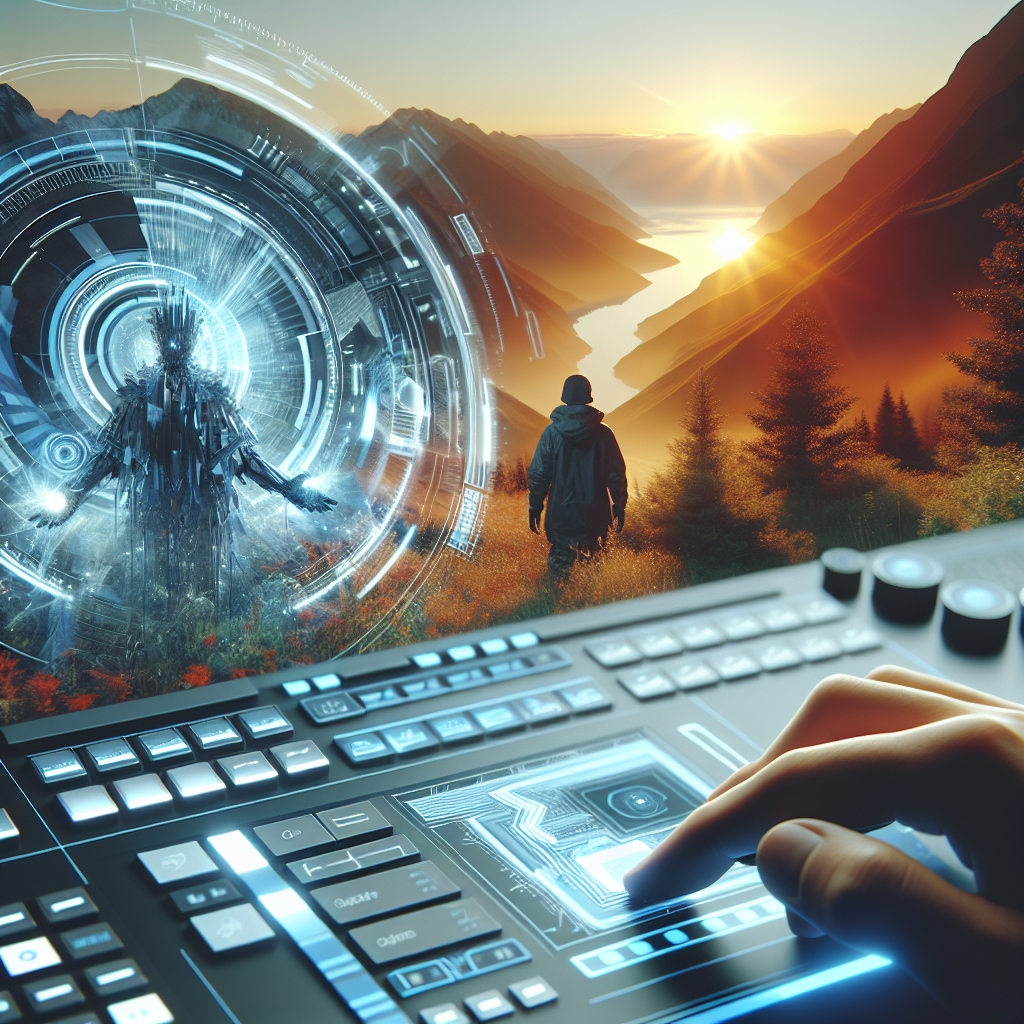
In the digital age, creativity is no longer confined to traditional methods and tools. The rise of immersive technologies has transformed the landscape of image editing, offering artists, designers, and creators new ways to express their visions. Immersive image editing techniques are revolutionizing how we approach creativity, providing more intuitive, engaging, and dynamic means to manipulate and enhance visual content. This article delves into the world of immersive image editing, exploring the technologies, techniques, and implications for the future of creative industries.
The Evolution of Image Editing
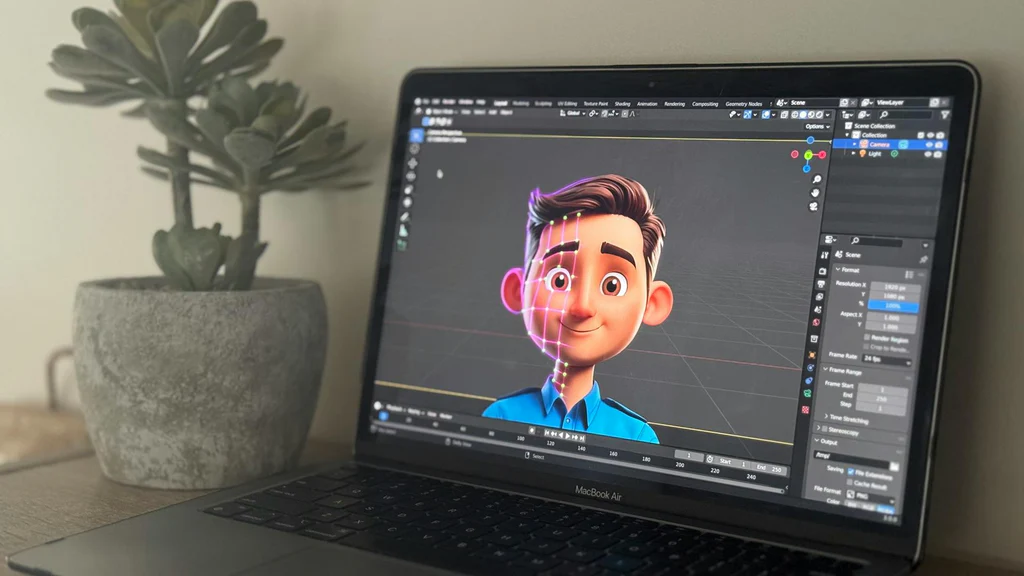
Image editing has come a long way from the early days of darkrooms and manual retouching. Digital tools like Adobe Photoshop and GIMP have democratized access to professional-grade editing capabilities, enabling users to manipulate images with precision and creativity. However, traditional 2D editing tools, while powerful, are limited by their interface and dimensionality.
The advent of 3D technology and virtual reality (VR) has expanded the possibilities of image editing. By incorporating depth and immersive environments, creators can now interact with their digital canvases in ways that were previously unimaginable. This evolution is not just about adding a new dimension; it’s about changing the way we think about and interact with visual content.
Immersive Technologies and Their Role in Image Editing
Immersive image editing relies on a combination of technologies, including VR, augmented reality (AR), and mixed reality (MR). These technologies allow users to step inside their creative projects, offering new perspectives and hands-on manipulation of digital elements.
Virtual Reality (VR)
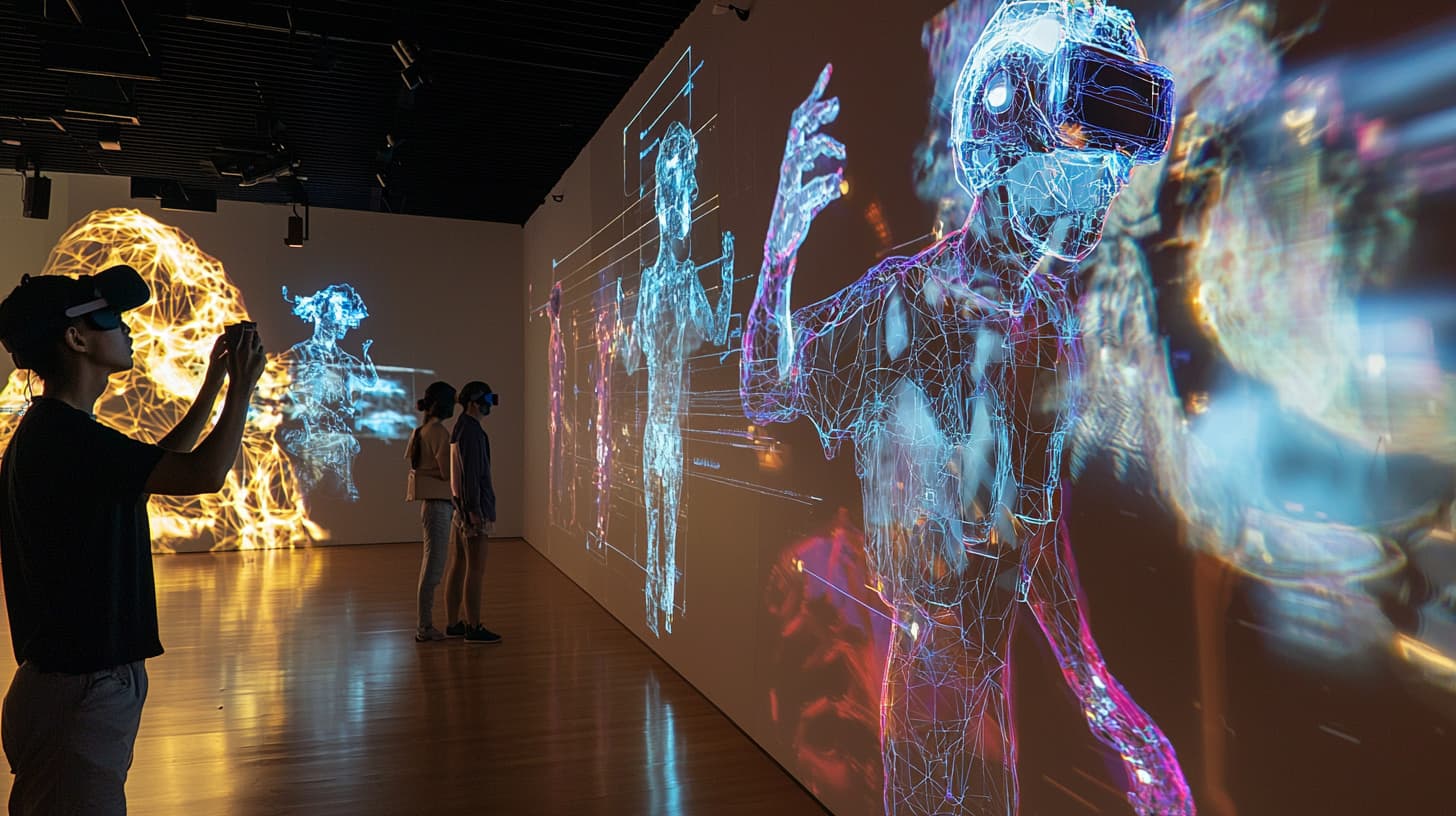
VR creates a completely digital environment, allowing users to interact with 3D models and images in a fully immersive space. In VR-based image editing, users can manipulate elements as if they were physical objects, moving and reshaping them with natural gestures. This spatial interaction provides a more intuitive editing experience, enhancing precision and creativity.
Augmented Reality (AR)
AR overlays digital content onto the real world, merging physical and digital elements. In image editing, AR can be used to visualize changes in real-time, allowing creators to see how digital alterations will appear in a physical context. This capability is particularly valuable for industries like interior design and architecture, where spatial considerations are crucial.
Mixed Reality (MR)
MR blends elements of VR and AR, allowing for interaction between digital and physical objects. In image editing, MR offers the flexibility to switch between immersive environments and real-world views, providing a comprehensive toolkit for creators to explore their work from multiple angles.
Key Techniques in Immersive Image Editing
Immersive image editing is characterized by a range of techniques that leverage the unique capabilities of VR, AR, and MR technologies. These techniques enhance the creative process, offering new ways to interact with and manipulate digital content.
Spatial Manipulation
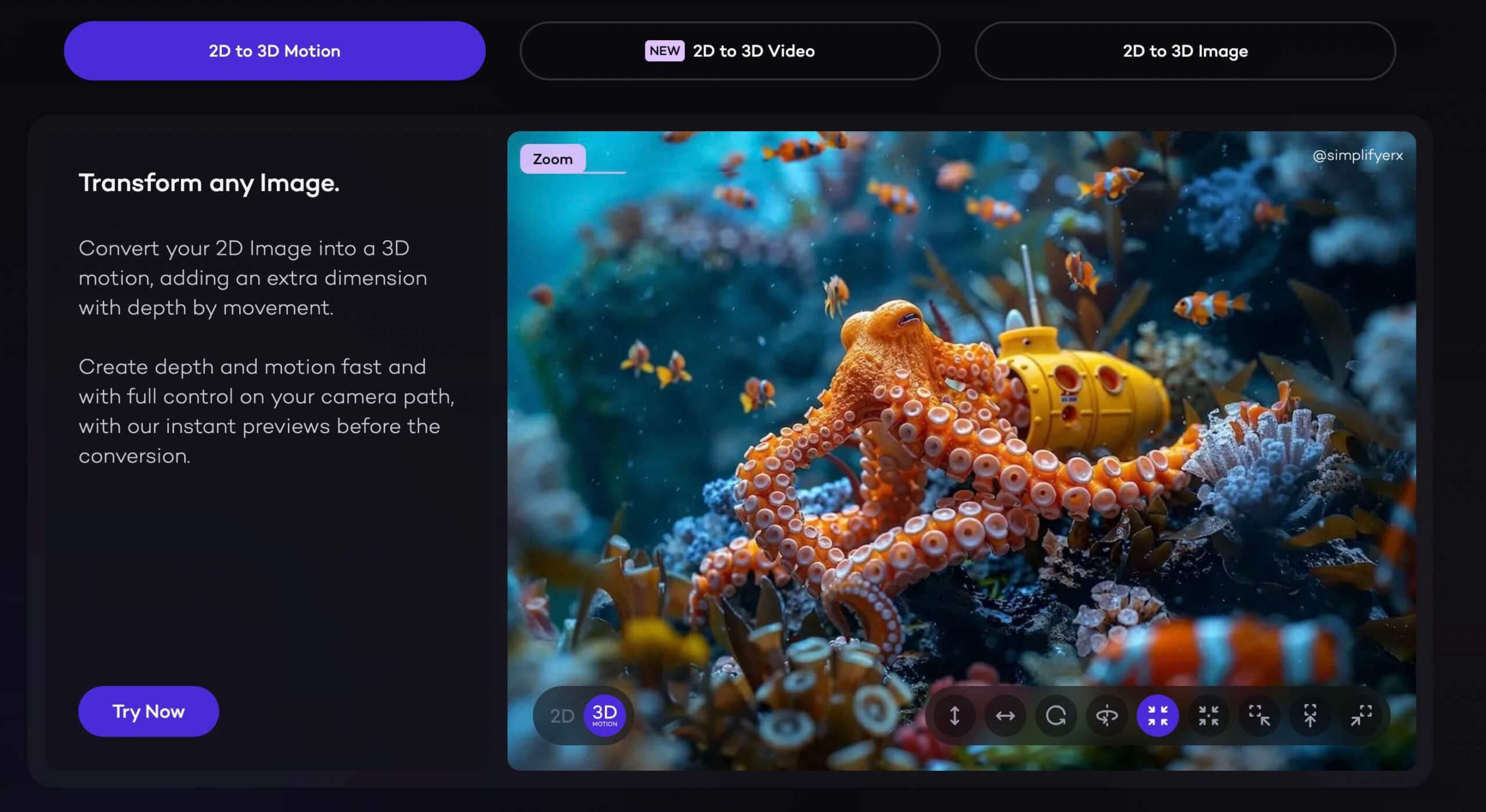
One of the most significant advantages of immersive editing is the ability to manipulate images in a three-dimensional space. This technique allows creators to move, rotate, and scale elements with precision, using hand gestures and VR controllers. Spatial manipulation provides a more natural editing experience, akin to sculpting or painting in a physical environment.
Real-Time Collaboration
Immersive technologies facilitate real-time collaboration, enabling multiple users to work on the same project simultaneously. This capability is particularly valuable for teams of designers or artists who need to brainstorm and iterate quickly. Real-time collaboration breaks down geographical barriers, allowing global teams to work together as if they were in the same room.
Enhanced Visualization
Immersive image editing allows for enhanced visualization of changes and effects. By stepping inside a project, creators can see how different elements interact and impact the overall composition. This holistic view aids in making informed decisions about color, lighting, and spatial relationships, leading to more cohesive and visually appealing results.
Intuitive Interfaces
Traditional image editing software often requires users to learn complex interfaces and workflows. Immersive editing tools prioritize intuitive interfaces, using natural gestures and voice commands to simplify interactions. This accessibility makes it easier for beginners to start creating, while also streamlining workflows for experienced users.
Applications of Immersive Image Editing
The applications of immersive image editing are vast and varied, impacting numerous industries and creative fields. From art and design to marketing and entertainment, these techniques are reshaping the way visual content is created and consumed.
Art and Design
For artists and designers, immersive image editing offers new tools for experimentation and expression. Sculptors can create digital models with the same tactile feedback as physical materials, while painters can explore new color palettes and textures in a virtual space. These tools expand the creative possibilities, allowing artists to push the boundaries of their work.
Marketing and Advertising
In marketing and advertising, immersive image editing enables the creation of engaging and interactive content. Brands can develop immersive experiences that allow consumers to explore products in a virtual environment, increasing engagement and retention. These techniques also facilitate the creation of high-quality visual assets for campaigns, enhancing storytelling and brand identity.
Entertainment and Media
The entertainment industry is a significant beneficiary of immersive image editing. From film and television to video games, these techniques allow for the creation of more realistic and immersive worlds. Directors and producers can visualize scenes and effects in real-time, streamlining production and post-production processes.
Challenges and Considerations
While immersive image editing offers numerous benefits, it also presents challenges and considerations that creators and industries must address.
Technical Limitations
The effectiveness of immersive image editing depends on the quality of the hardware and software used. High-performance VR headsets and powerful computers are often required to support complex editing tasks, which can be a barrier to entry for some users. Additionally, the development of intuitive and responsive software is crucial to ensure a seamless editing experience.
Learning Curve
Transitioning from traditional to immersive editing techniques requires a learning curve. Users must familiarize themselves with new tools and interfaces, which can be time-consuming. However, as immersive technologies continue to evolve, developers are focusing on creating more user-friendly platforms to ease this transition.
Creative Freedom vs. Overwhelm
The vast possibilities offered by immersive image editing can be both liberating and overwhelming. Creators may struggle to focus on a single vision or direction, leading to indecision and creative blocks. It’s essential for artists to find a balance between exploration and refinement, using these tools to enhance rather than hinder their creative process.
The Future of Immersive Image Editing
The future of immersive image editing is bright, with continued advancements in technology and software promising to further transform the creative landscape. As VR, AR, and MR technologies become more accessible and integrated into everyday workflows, we can expect even greater innovation and adoption across industries.
Artificial intelligence (AI) is also poised to play a significant role in the future of image editing. AI-powered tools can assist in automating repetitive tasks, suggesting creative enhancements, and personalizing the editing experience to individual users. These developments will further streamline workflows and empower creators to focus on what they do best: creating.
Conclusion
Immersive image editing is revolutionizing creativity, offering new ways for artists, designers, and creators to interact with and manipulate visual content. By leveraging the power of VR, AR, and MR technologies, these techniques provide more intuitive, engaging, and dynamic means of expression. As these technologies continue to evolve, they will undoubtedly shape the future of creative industries, unlocking new possibilities and redefining the boundaries of what is possible in image editing.



Post Comment