Mastering 3D Visual Compositions for Stunning Impact

In the ever-evolving world of digital media, 3D visual compositions play a pivotal role in capturing attention and conveying complex ideas with elegance and impact. Whether it’s used in film, video games, advertising, or virtual reality experiences, mastering the art of 3D visual compositions can elevate a project from mundane to mesmerizing. This article explores the essential components and techniques needed to create stunning 3D visuals that captivate and inspire.
Understanding the Basics of 3D Compositions
At its core, a 3D visual composition is the art of arranging visual elements in a three-dimensional space to create a cohesive and compelling image or scene. This involves a deep understanding of various components such as geometry, lighting, texture, and camera angles. Each element must be meticulously crafted and strategically positioned to guide the viewer’s eye and evoke the desired emotional response.
The Role of Geometry
Geometry forms the backbone of any 3D composition. It involves the creation of shapes, objects, and structures that occupy the 3D space. Mastering geometry requires a solid grasp of form, symmetry, and proportion. When designing geometric elements, consider the overall balance and harmony of the composition. Whether you’re creating organic shapes or rigid structures, ensure that each element complements the others to build a unified visual narrative.
Lighting: The Key to Mood and Atmosphere
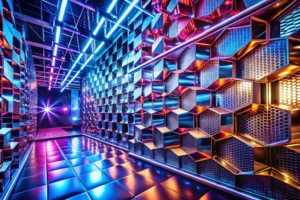
Lighting is arguably one of the most critical aspects of 3D visual compositions. It can dramatically alter the mood and atmosphere of a scene, highlighting certain aspects while concealing others. Mastery of lighting involves understanding the interplay between light and shadow, color temperature, and the direction of light sources. Experiment with different lighting setups to achieve the desired emotional tone, whether it’s the warmth of a sunset or the starkness of a neon-lit cityscape.
Texture and Material Realism
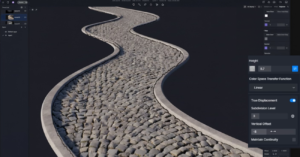
Textures and materials add depth and realism to 3D compositions. They provide the surface details that make objects appear tangible and believable. To achieve stunning impact, meticulous attention to detail is required in selecting and applying textures. Consider the material properties such as reflectivity, roughness, and transparency to enhance the authenticity of your composition. Advanced techniques like procedural texturing can further elevate the realism of your scenes.
Camera Angles and Composition
The camera is your audience’s eye into the 3D world you’ve created. Choosing the right camera angle is crucial for directing focus and creating visual interest. Experiment with different perspectives, such as wide-angle shots for grandeur or close-ups for intimacy. Apply compositional rules like the rule of thirds, leading lines, and focal points to guide the viewer’s eye and create dynamic, engaging compositions.
Advanced Techniques for Stunning 3D Visuals
Once you’ve mastered the basics, it’s time to delve into advanced techniques that can elevate your 3D visuals to a new level of artistry and impact.
Dynamic Simulations
Dynamic simulations involve the use of physics-based algorithms to create realistic movements and interactions within a scene. This includes simulations for fluid dynamics, cloth, and particle systems. By incorporating these elements, you can add a layer of realism and complexity to your compositions, capturing the chaotic beauty of a waterfall or the gentle sway of fabric in the wind.
Post-Processing Effects
Post-processing effects are applied after rendering and can significantly enhance the final output. Techniques such as depth of field, motion blur, color grading, and lens flares can add a cinematic quality to your 3D compositions. These effects should be used judiciously to complement the scene without overwhelming it, ensuring that the final image retains clarity and focus.
Integrating Sound and Motion
While visuals are a primary focus, integrating sound and motion can create an immersive experience that resonates with viewers on multiple levels. Sound design adds depth and context, while animation brings scenes to life with movement and energy. Synchronizing these elements with visual cues can enhance storytelling and emotional impact, making your 3D compositions not just seen, but felt.
Inspiration and Innovation in 3D Visuals
Inspiration is the fuel for creativity, and in the realm of 3D visuals, it’s essential to continuously seek new sources of inspiration. Explore diverse art forms, from traditional painting and sculpture to modern digital art and photography. Observe the natural world, analyze films and games, and study the work of other 3D artists. By broadening your horizons, you’ll discover new ideas and techniques that can be incorporated into your own work.
Keeping Up with Technology
The field of 3D visual composition is constantly evolving, driven by advancements in technology and software. Staying updated with the latest tools and techniques is crucial for maintaining a competitive edge. Participate in workshops, attend conferences, and engage with online communities to learn from experts and peers. Embrace new technologies such as virtual reality, augmented reality, and AI-driven tools to push the boundaries of what’s possible in 3D art.
Conclusion
Mastering 3D visual compositions requires a blend of technical skill, artistic vision, and continuous learning. By understanding the fundamental components and exploring advanced techniques, you can create stunning visuals that captivate and inspire. As you hone your craft, remember to draw inspiration from the world around you and embrace innovation to keep your work fresh and impactful. With dedication and creativity, the possibilities in the world of 3D visuals are limitless.











Post Comment