Top 3D Photography Trends Transforming Visual Arts
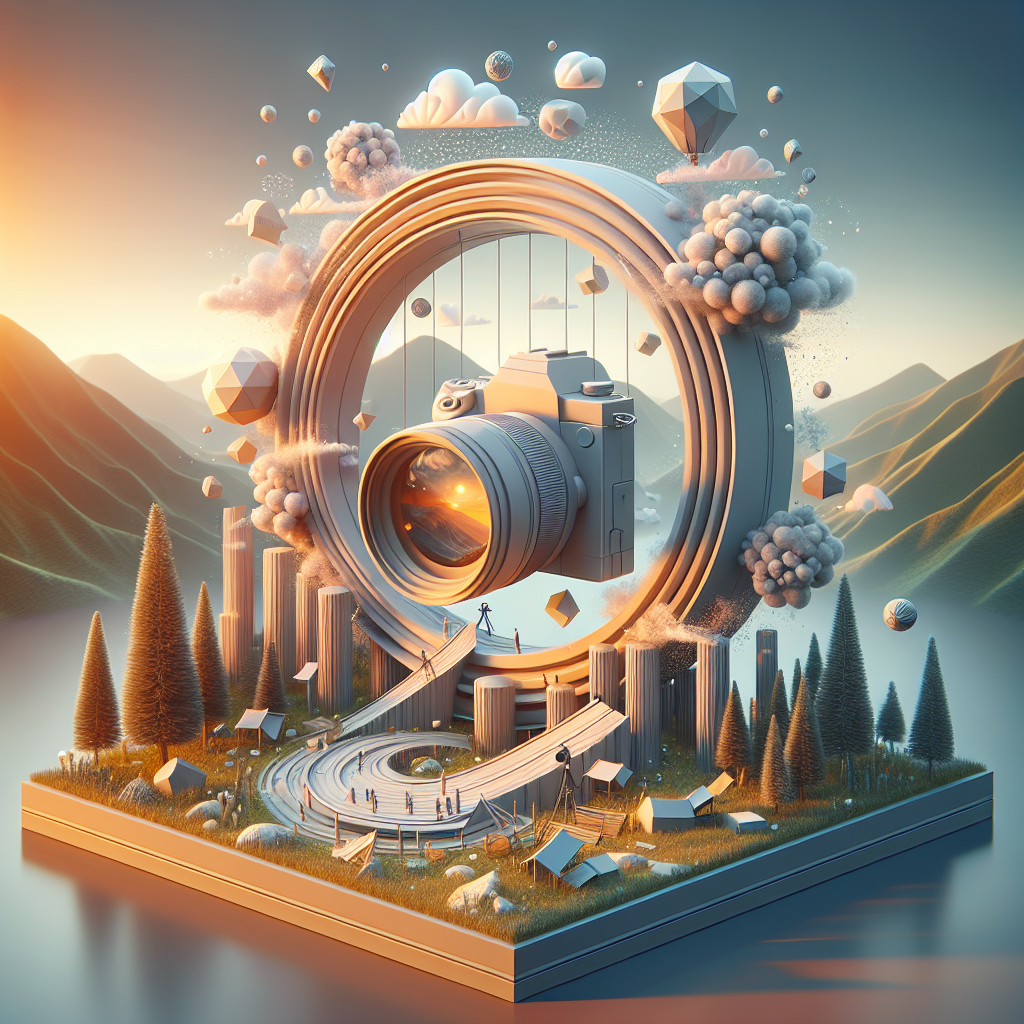
In the ever-evolving realm of visual arts, 3D photography is emerging as a dynamic and transformative force. As technology progresses, artists and photographers are continually exploring new ways to capture and present imagery, leading to groundbreaking trends that are reshaping the landscape of creative expression. In this article, we delve into the most influential 3D photography trends that are currently transforming visual arts, offering fresh perspectives and endless possibilities for artists and enthusiasts alike.
1. Immersive Virtual Reality Experiences
One of the most exciting developments in 3D photography is the integration of virtual reality (VR) to create fully immersive experiences. By combining 3D imaging techniques with VR technology, photographers can transport audiences into lifelike environments, allowing them to explore and interact with the art in unprecedented ways.
Revolutionizing Art Galleries
Traditional art galleries are embracing VR to offer virtual exhibitions, where viewers can navigate through digital spaces filled with 3D photographic art. This trend not only enhances accessibility for global audiences but also provides artists with innovative platforms to showcase their work. The ability to move within a virtual gallery and engage with art pieces up close creates a unique and personal experience for each viewer.
Expanding Storytelling Possibilities
3D photography in VR opens up new dimensions of storytelling. Artists can create interactive narratives where the audience becomes an integral part of the story. By immersing viewers in a 3D world, photographers can evoke emotions and convey messages with a level of depth and engagement that traditional photography cannot achieve.
2. Augmented Reality Enhancements
Augmented reality (AR) is another technological advancement that is transforming 3D photography. By overlaying digital elements onto the real world, AR enhances the way we perceive and interact with photographic art, blurring the lines between reality and imagination.
Interactive Art Installations
Incorporating AR into art installations allows for interactive experiences that captivate and engage audiences. Photographers can create AR-enhanced pieces that come to life when viewed through a smartphone or tablet, adding layers of meaning and interactivity. This trend is particularly popular in public art installations, where passersby can experience the fusion of digital and physical worlds.
Personalized Art Experiences
With AR, viewers can personalize their experience of 3D photographic art. For instance, they can select different visual layers, apply filters, or interact with elements in real-time, tailoring the artwork to their preferences. This level of customization not only enhances viewer engagement but also encourages deeper exploration and connection with the art.
3. Holographic Displays and Projections
Holography is making significant strides in the realm of 3D photography, offering a futuristic way to present visual art. Holographic displays and projections add a new dimension to art exhibitions, enriching the viewer’s experience through stunning visual effects and realistic depth.
Futuristic Art Presentations
Holographic technology enables artists to present their work in visually captivating ways. By projecting 3D photographs into space, photographers can create floating images that appear almost tangible. This trend is gaining traction in modern art exhibitions, where the holographic presentation becomes part of the artistic narrative.
Innovative Advertising and Branding
Beyond traditional art, holographic displays are revolutionizing advertising and branding strategies. Companies are leveraging holographic projections for eye-catching campaigns that stand out in a crowded market. By using 3D photography in holography, brands can create memorable experiences that leave a lasting impression on consumers.
4. 3D Printing and Physical Replicas
While digital innovations are at the forefront, 3D printing is bridging the gap between digital and physical worlds. This trend enables photographers to transform their 3D images into tangible art pieces, offering a new way to appreciate and interact with photographic art.
From Digital to Tangible
3D printing allows photographers to create physical replicas of their digital work, turning virtual images into sculptures or reliefs. This trend provides a unique way to experience photography, where viewers can touch and feel the details captured in the 3D image. It also opens up new possibilities for artists to explore different materials and textures in their creations.
Preservation and Accessibility
By creating physical replicas, photographers can preserve their work in a format that is not dependent on digital technology. This trend ensures the longevity of photographic art and makes it accessible to audiences who may not have access to digital mediums. The tactile nature of 3D printed art also adds a layer of intimacy and connection with the artwork.
5. AI-Driven 3D Photography
Artificial intelligence (AI) is playing a pivotal role in the evolution of 3D photography, offering tools and techniques that enhance creativity and streamline artistic processes. AI-driven technologies are empowering photographers to push the boundaries of what is possible in visual arts.
Automated Image Generation
AI algorithms can generate 3D images and models, allowing artists to experiment with new styles and concepts effortlessly. This trend is particularly useful for creating photorealistic environments or abstract compositions, where AI assists in generating intricate details and textures.
Enhanced Editing and Post-Production
AI-driven tools are revolutionizing the editing process in 3D photography. Sophisticated algorithms can analyze and enhance images, offering features such as automatic retouching, lighting adjustments, and even style transformations. These advancements enable photographers to achieve their artistic vision with greater precision and efficiency.
Conclusion
The integration of cutting-edge technologies in 3D photography is transforming the visual arts landscape, offering artists and audiences unprecedented opportunities for creativity and engagement. From immersive virtual realities to tangible 3D prints, these trends are redefining the boundaries of artistic expression and storytelling. As technology continues to advance, the future of 3D photography in visual arts holds limitless potential, promising to inspire and captivate in ways we have yet to imagine.
#ChatGPT assisted in the creation of this article.








Post Comment