Elevate Your Vision with Digital 3D Art Photography
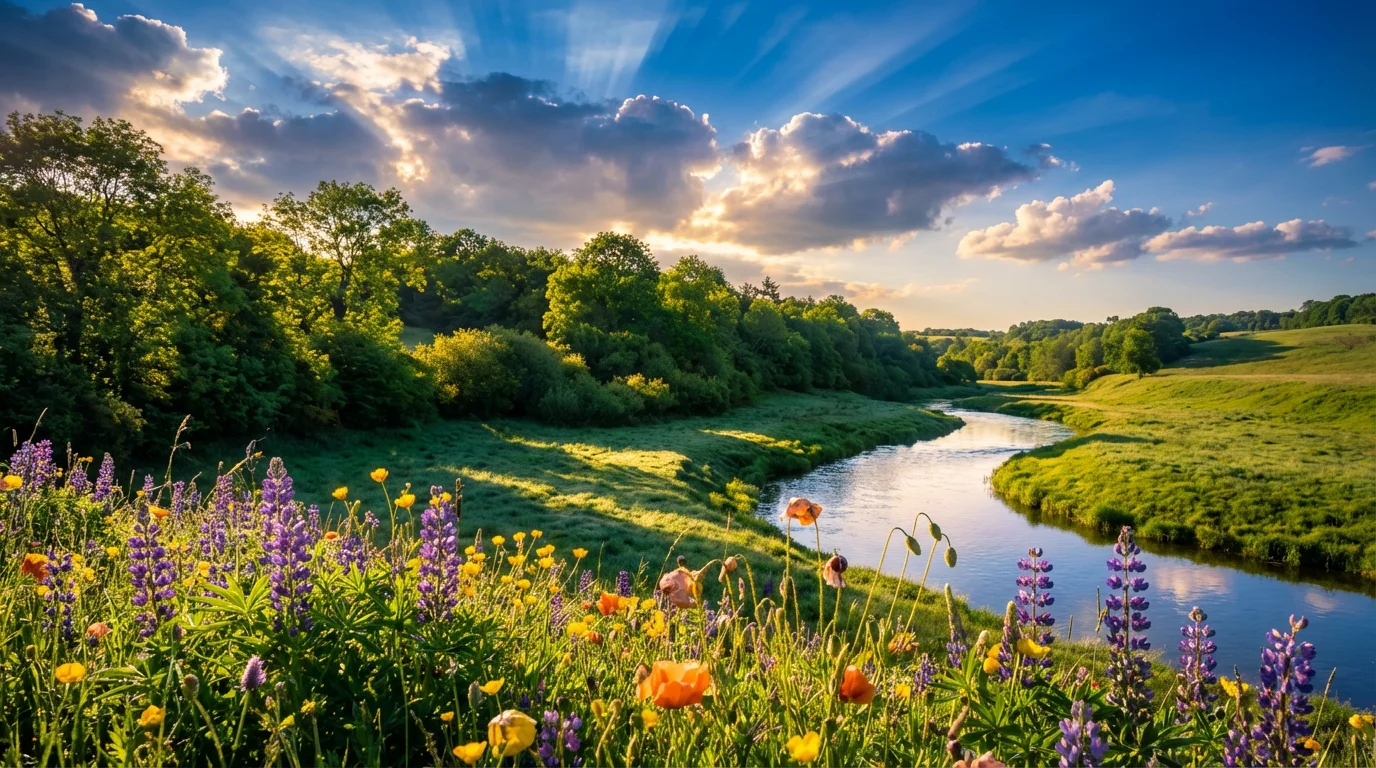
The Digital Renaissance
In the ever-evolving world of art, few genres have experienced such rapid transformation and growth as digital 3D art photography. This innovative art form has not only expanded the boundaries of what is possible in visual storytelling but has also elevated the viewer’s experience to unprecedented heights. As technology continues to develop, digital 3D art photography stands at the forefront of this digital renaissance, offering artists and audiences alike a fresh perspective on creativity and imagination. This article delves into the world of digital 3D art photography, exploring its impact on visual culture and how it can elevate your creative vision.
The Evolution of 3D Art Photography
Digital 3D art photography is a fusion of traditional photographic techniques with cutting-edge digital technology. It emerged from the intersection of photography, 3D modeling, and digital rendering, creating a unique art form that captures the essence of both reality and imagination. Initially, 3D art was confined to the realms of animation and gaming, but advancements in software and hardware have allowed artists to bring this captivating medium into the world of photography.
In the early days, 3D art photography required considerable technical expertise and resources. However, with the advent of user-friendly software like Blender, Cinema 4D, and Adobe Dimension, more artists can now explore this medium with relative ease. These tools have democratized digital art, allowing creators to experiment with intricate designs and complex compositions without the need for expensive equipment or extensive technical know-how.
The Artistic Process: From Concept to Creation
Creating digital 3D art photography involves several stages, each contributing to the final masterpiece. The process begins with conceptualization, where artists brainstorm ideas and themes that resonate with their vision. This stage often involves sketching, storyboarding, and gathering reference material to establish a clear direction for the project.
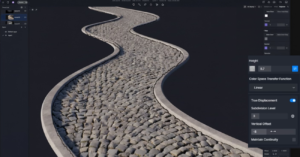
Once the concept is solidified, artists move to the modeling phase, where they create three-dimensional representations of their subjects using digital sculpting tools. This step is crucial as it forms the foundation of the artwork, allowing artists to manipulate shapes, textures, and lighting to achieve the desired effect.
The next phase is texturing and shading, where artists add color, detail, and surface texture to the models. This step brings the artwork to life, enhancing its realism and depth. Lighting plays a pivotal role in this process, as it can dramatically alter the mood and tone of the piece. Artists meticulously experiment with different lighting setups to evoke specific emotions and highlight key elements of the composition.
Finally, the rendering stage involves exporting the digital scene into a high-resolution image or animation. This process can be time-consuming, as it requires significant computational power to calculate and simulate complex light interactions and environmental effects. Once rendered, the artwork undergoes post-processing, where artists refine the image, adjust color balances, and apply any final touches to ensure the piece aligns with their original vision.
The Impact of Digital 3D Art Photography
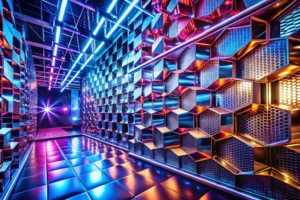
Digital 3D art photography has revolutionized the way we perceive and interact with visual art. One of its most significant impacts is its ability to blur the lines between reality and imagination. By combining realistic textures with fantastical elements, artists can create immersive worlds that challenge our perceptions and ignite our creativity.
Moreover, this art form offers unparalleled flexibility and versatility. Unlike traditional photography, which is often limited by physical constraints, digital 3D art photography allows artists to manipulate every aspect of their composition. They can create scenes that defy the laws of physics, experiment with abstract forms, and explore themes that transcend conventional boundaries. This creative freedom empowers artists to push the limits of their imagination and produce works that are truly unique.
The accessibility of digital 3D art photography has also democratized the art world, enabling a broader range of voices to be heard. Artists from diverse backgrounds can now share their perspectives and stories through this medium, fostering a richer and more inclusive artistic community.
Applications and Innovations
The applications of digital 3D art photography are vast and varied, extending beyond the realm of traditional art galleries. In the commercial sector, businesses leverage this medium for advertising, product visualization, and branding. The ability to create hyper-realistic images allows companies to showcase their products in dynamic and visually engaging ways, capturing the attention of potential customers.
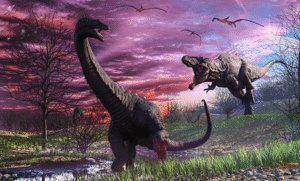
In the entertainment industry, digital 3D art photography plays a crucial role in the creation of virtual environments for films, video games, and virtual reality experiences. These immersive worlds captivate audiences, offering them a glimpse into alternate realities and expanding the possibilities of narrative storytelling.
Furthermore, digital 3D art photography has found its place in the fields of education and scientific research. Educators and researchers utilize this medium to create detailed visualizations of complex concepts, making information more accessible and engaging for students and the general public.
Challenges and Considerations
Despite its many advantages, digital 3D art photography presents several challenges that artists must navigate. The technical complexity of the medium requires a solid understanding of both artistic principles and digital tools. Artists must continuously update their skills and stay informed about the latest advancements in software and technology to remain competitive in this rapidly evolving field.
Moreover, the abundance of digital art can make it challenging for artists to stand out and gain recognition. The digital landscape is highly saturated, and artists must find innovative ways to differentiate their work and establish a unique artistic voice.
Additionally, ethical considerations arise in the realm of digital art, particularly concerning authenticity and originality. With the ease of replicating and modifying digital images, artists must navigate issues related to copyright, attribution, and the protection of intellectual property.
Conclusion: Elevating Your Vision
Digital 3D art photography represents a transformative force in the world of visual art, offering artists and audiences new avenues for creativity, expression, and exploration. By embracing this medium, artists can elevate their vision, transcending the limitations of traditional art forms and crafting immersive experiences that captivate and inspire.
As technology continues to advance, the possibilities for digital 3D art photography are boundless. With each new innovation, artists are empowered to push the boundaries of their imagination, creating works that challenge our perceptions and expand our understanding of the world. Whether you are an aspiring artist or an avid art enthusiast, embracing the world of digital 3D art photography offers a new perspective on creativity and the potential to elevate your artistic vision to new heights.
#ChatGPT assisted in the creation of this article.






Post Comment