Unlock Abstract Dimensions: Mastering 3D Photography Artistry
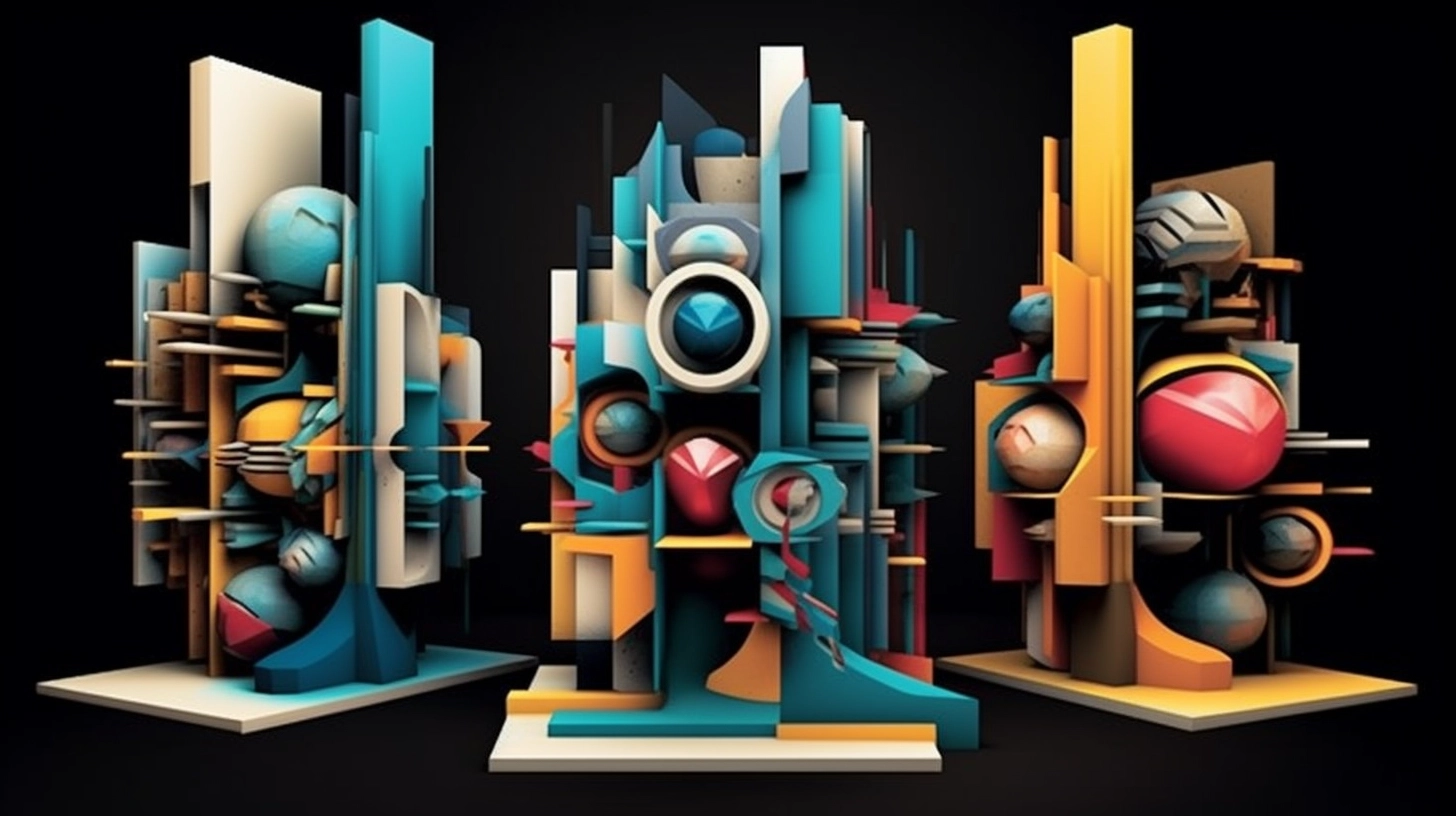
In the ever-evolving realm of visual arts, 3D photography stands as a transformative frontier. It is a medium that transcends traditional boundaries, inviting viewers into immersive experiences that challenge perceptions and ignite inspiration. This guide, “Unlock Abstract Dimensions: Mastering 3D Photography Artistry,” seeks to explore the nuances of this captivating field, offering insights, techniques, and inspiration for artists eager to harness the power of 3D photography.
Understanding 3D Photography
At its core, 3D photography involves creating images that appear to have depth, offering a more lifelike representation of scenes and subjects. This is achieved through various techniques, most commonly by capturing two images from slightly different angles and combining them to simulate the binocular vision of human eyes. Sophisticated software and hardware advancements have expanded the possibilities, allowing artists to explore abstract dimensions previously unattainable in traditional photography.
The Science Behind the Art
To master 3D photography, one must first understand the science that underpins it. The human brain perceives depth through binocular disparity, which refers to the slight difference in images seen by each eye. 3D photography mimics this process by using stereoscopic techniques to create visual depth. By aligning, overlapping, and adjusting these images, artists can manipulate how viewers perceive spatial relationships within the frame, crafting engaging and compelling compositions.
The Equipment
Creating compelling 3D photographs requires specific equipment. While traditional cameras can be adapted for 3D photography, specialized 3D cameras and rigs provide greater ease and control. These tools often feature dual lenses set apart to mimic human eyes, capturing simultaneous images from slightly different perspectives. Additionally, software such as Adobe Photoshop and Blender can be used to enhance and refine 3D images, offering artists a digital playground to explore their creativity.
Exploring Abstract Dimensions
3D photography offers a unique opportunity to explore abstract dimensions, where reality and imagination intersect. This exploration is not just about capturing what is seen but about interpreting and presenting it in ways that evoke emotion, provoke thought, and inspire wonder. Here are some techniques and concepts to consider when delving into abstract 3D photography.
Playing with Light and Shadow
Light and shadow are powerful tools in any visual art but take on new significance in 3D photography. The interplay between them can create a sense of depth and dimension, transforming flat images into dynamic scenes. Experiment with light sources, angles, and intensities to cast intriguing shadows, highlight textures, and guide the viewer’s eye through the composition.
Textural Exploration
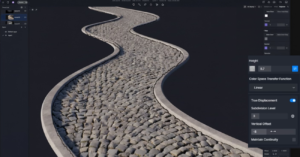
Textures can significantly enhance the perception of depth in a 3D photograph. By focusing on surfaces with interesting textures, such as rough stone, smooth metal, or soft fabric, artists can create tactile experiences that invite viewers to ‘feel’ the image. Macro photography techniques can be particularly effective in capturing these details, providing a closer look at the textures that comprise the world around us.
Manipulating Perspective
Perspective manipulation is a powerful technique in abstract 3D photography. By altering angles and viewpoints, artists can create disorienting yet fascinating compositions that challenge viewers’ perceptions. Employing techniques such as forced perspective or playing with scale can result in surreal, dreamlike images that defy conventional visual logic.
Color and Contrast
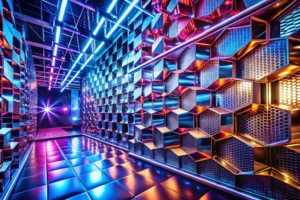
Color and contrast are essential elements in crafting engaging 3D photographs. Vibrant colors can draw attention and create focal points, while high contrast between elements can enhance the perception of depth. Experimenting with color grading and contrast adjustments in post-processing can lead to strikingly dynamic images that captivate the viewer’s imagination.
The Artistic Journey
Embarking on the journey of mastering 3D photography is as much about personal growth and exploration as it is about technical skill. It is a process that encourages artists to see the world through a new lens, to question and redefine their understanding of space, form, and perception. Here are some steps to guide you on this artistic journey.
Developing a Vision
Every artistic endeavor begins with a vision. Consider what you wish to convey through your 3D photography. Are you interested in exploring the beauty of everyday objects, or are you drawn to the surreal and fantastical? Developing a clear vision will guide your creative choices and help you communicate your unique artistic voice through your work.
Experimentation and Play
Experimentation is at the heart of creativity. Allow yourself the freedom to play with different techniques, tools, and concepts. Embrace the unexpected and be open to happy accidents. This spirit of exploration will not only refine your technical skills but also expand your creative horizons, leading to innovative and original works.
Learning from Masters
One of the most effective ways to grow as an artist is to study the work of masters in the field. Examine the techniques and styles of renowned 3D photographers and artists. Analyze what makes their work compelling and consider how you can incorporate similar elements into your own practice while maintaining your distinct style.
Seeking Feedback and Collaboration
Artistic growth thrives on feedback and collaboration. Share your work with peers, mentors, and other creatives. Engage in constructive critiques and discussions to gain new perspectives and insights. Collaborating with others can also lead to unexpected inspiration and opportunities to learn and grow within your craft.
Conclusion
Mastering 3D photography artistry is a journey of unlocking abstract dimensions, where technical skill meets boundless creativity. It is a medium that challenges artists to push the boundaries of perception, inviting viewers into immersive worlds that transcend the ordinary. By understanding the science behind the art, exploring abstract dimensions, and embarking on a personal artistic journey, you can harness the full potential of 3D photography to create works that inspire, captivate, and transform.
In a world where visual storytelling is ever more important, 3D photography offers a unique and powerful means of expression. As you venture into this exciting field, remember that the only limit is your imagination, and the possibilities are as infinite as the dimensions you explore.







Post Comment