Unveiling Stunning Artistic 3D Photos for Inspiration
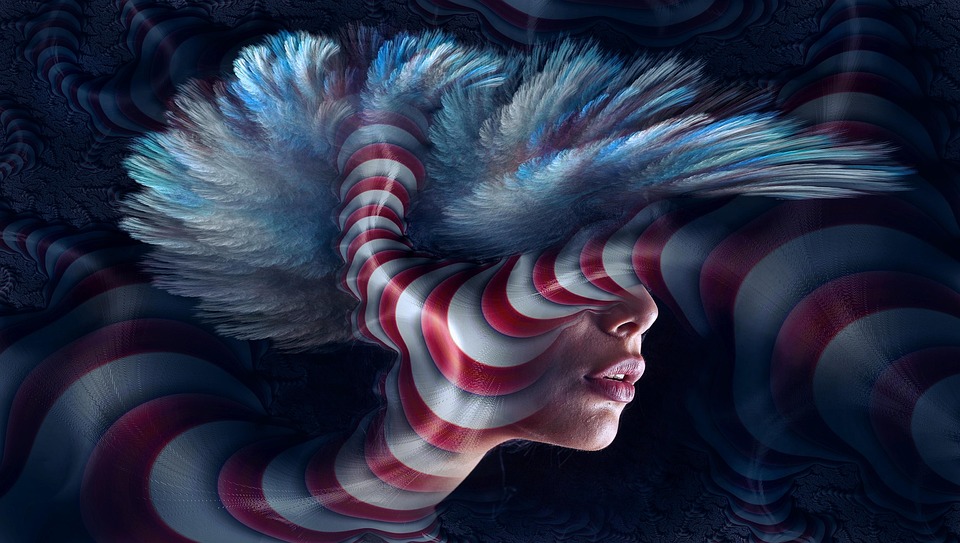
The realm of 3D art is a captivating universe where creativity knows no bounds. With the advent of sophisticated technologies, artists have been able to transcend traditional boundaries, crafting visuals that are not only stunning but also deeply immersive. 3D art has opened up a new dimension of creativity, allowing artists to create lifelike images that inspire and engage viewers in unprecedented ways. This article delves into the intricacies of 3D photography, exploring how these artistic creations serve as a wellspring of inspiration for both creators and admirers alike.
The Evolution of 3D Photography
3D photography has come a long way since its inception. From the early days of stereoscopic images, where two offset photographs were used to create the illusion of depth, to the cutting-edge technologies of today, the journey has been nothing short of revolutionary. The introduction of computer graphics and digital imaging has propelled 3D photography into the mainstream, making it accessible to artists around the globe. Today, 3D artists leverage powerful software and hardware to create images that blur the line between reality and imagination.
The Artistic Appeal of 3D Photos
The allure of 3D photography lies in its ability to render scenes with astonishing realism and detail. Artists can manipulate light, texture, and perspective to create images that are not only photorealistic but also imbued with a sense of wonder. This unique blend of technical precision and artistic expression allows 3D photos to captivate audiences and evoke emotions in ways that traditional photography might not. The dynamic interplay of elements in 3D art often results in visuals that are both technically impressive and emotionally resonant.
Exploring Depth and Dimension
One of the most striking features of 3D photos is their ability to convey depth and dimension. Unlike 2D images, which are confined to a flat plane, 3D photos allow viewers to perceive spatial relationships and distance. This added dimension provides a more immersive viewing experience, drawing viewers into the scene and allowing them to explore its intricacies. Whether it’s the subtle play of shadows or the intricate details of a complex structure, 3D photos offer a richness of experience that is both captivating and inspiring.
The Role of Lighting in 3D Photography
Lighting is a crucial element in any form of photography, but in 3D art, it assumes an even greater significance. The ability to manipulate light sources dynamically within a 3D environment allows artists to experiment with dramatic effects and create moods that enhance the narrative of their work. From the soft glow of a sunset to the stark contrasts of a noir scene, lighting in 3D photography can transform an ordinary image into an extraordinary work of art. By controlling the intensity, color, and direction of light, artists can guide the viewer’s eye and underscore the emotional impact of the scene.
Techniques and Tools for 3D Photography
Creating stunning 3D photos requires a blend of artistic vision and technical proficiency. Artists rely on a suite of tools and techniques to bring their visions to life. Software such as Blender, Maya, and Cinema 4D are popular choices for 3D modeling and rendering, offering powerful features that allow artists to craft intricate scenes with ease. In addition to these tools, artists often use techniques such as photogrammetry, where multiple photographs are used to create a 3D model, to achieve hyper-realistic results.
The Importance of Textures and Materials
In the world of 3D photography, textures and materials play a pivotal role in achieving realism. The surface properties of objects, such as glossiness, reflectivity, and roughness, are meticulously crafted to mimic their real-world counterparts. This attention to detail ensures that the final image is convincing and immersive. Artists often spend considerable time perfecting these elements, using techniques such as bump mapping and displacement mapping to add depth and complexity to their creations.
Post-Processing and Rendering
Once the modeling and texturing phases are complete, the process of rendering brings the scene to life. Rendering is the computational process of generating the final image from the 3D model, and it involves calculating how light interacts with the surfaces within the scene. This stage is crucial for achieving the desired level of detail and realism. After rendering, post-processing techniques such as color grading, compositing, and adding visual effects are applied to enhance the final output. These steps are akin to the darkroom techniques employed in traditional photography, providing the finishing touches that transform a good image into a great one.
Inspiration from 3D Photography
3D photos are a rich source of inspiration, not only for artists but for audiences across various fields. The ability to create and view scenes that transcend reality opens up new avenues for storytelling and expression. Whether used in film, video games, advertising, or art installations, 3D photography provides a versatile medium for conveying complex ideas and emotions.
Pushing the Boundaries of Creativity
3D photography encourages artists to push the boundaries of their creativity, exploring new techniques and concepts that might be impossible in traditional media. The freedom to experiment with form, structure, and perspective without the constraints of physical reality allows for innovative creations that challenge perceptions and inspire new ways of thinking.
Applications Across Industries
The influence of 3D photography extends beyond the art world, impacting industries such as architecture, entertainment, and education. In architecture, 3D photos provide a realistic preview of designs, allowing clients to visualize spaces before they are built. In entertainment, the immersive quality of 3D visuals enhances storytelling, creating memorable experiences for audiences. In education, 3D images serve as powerful tools for visualizing complex concepts, making learning more engaging and accessible.
Conclusion: The Future of 3D Photography
As technology continues to evolve, the potential for 3D photography is limitless. Advances in virtual and augmented reality are set to further revolutionize the field, offering new ways to experience and interact with 3D art. As artists continue to experiment and innovate, the world of 3D photography will undoubtedly continue to inspire and captivate audiences, unveiling new dimensions of artistic expression that challenge our understanding of reality.
In conclusion, 3D photography is a testament to the power of technology and creativity working in harmony. It is a vibrant and dynamic field that offers endless possibilities for inspiration and innovation. As we continue to explore the depths of this art form, we are reminded of the enduring human desire to create, communicate, and connect through visual storytelling.







Post Comment