Mastering Artistic Spatial Images for Visual Impact
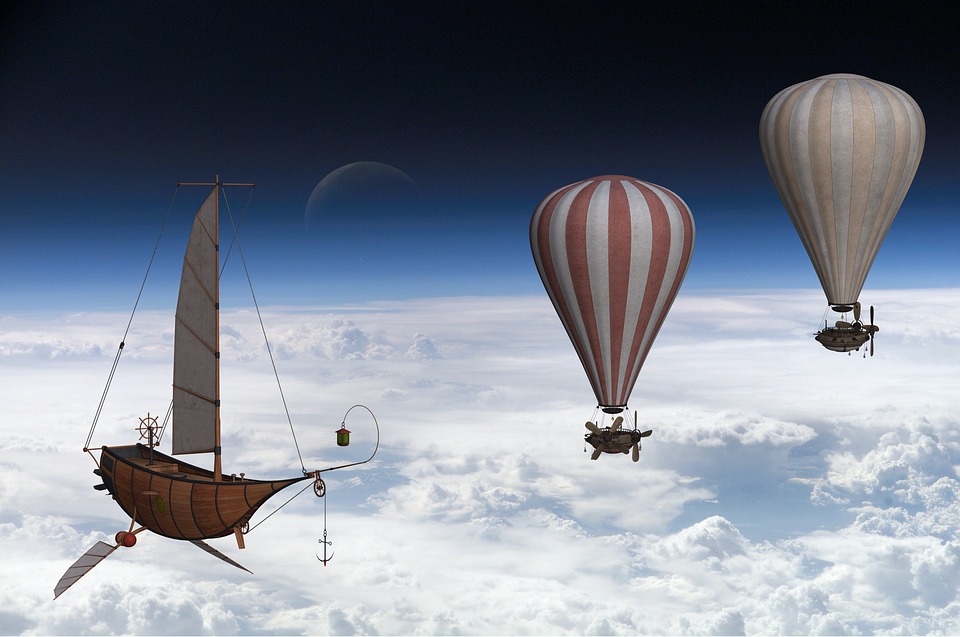
Artistic spatial images have become a pivotal aspect of modern visual storytelling. These images are more than just static representations—they are dynamic, immersive experiences that captivate audiences, evoke emotions, and convey complex narratives. Mastering the art of creating such images is a skill that can set visual artists apart in an increasingly competitive field. This article delves into the intricacies of artistic spatial images and offers insights into creating visuals that leave a lasting impact.
The Essence of Artistic Spatial Images
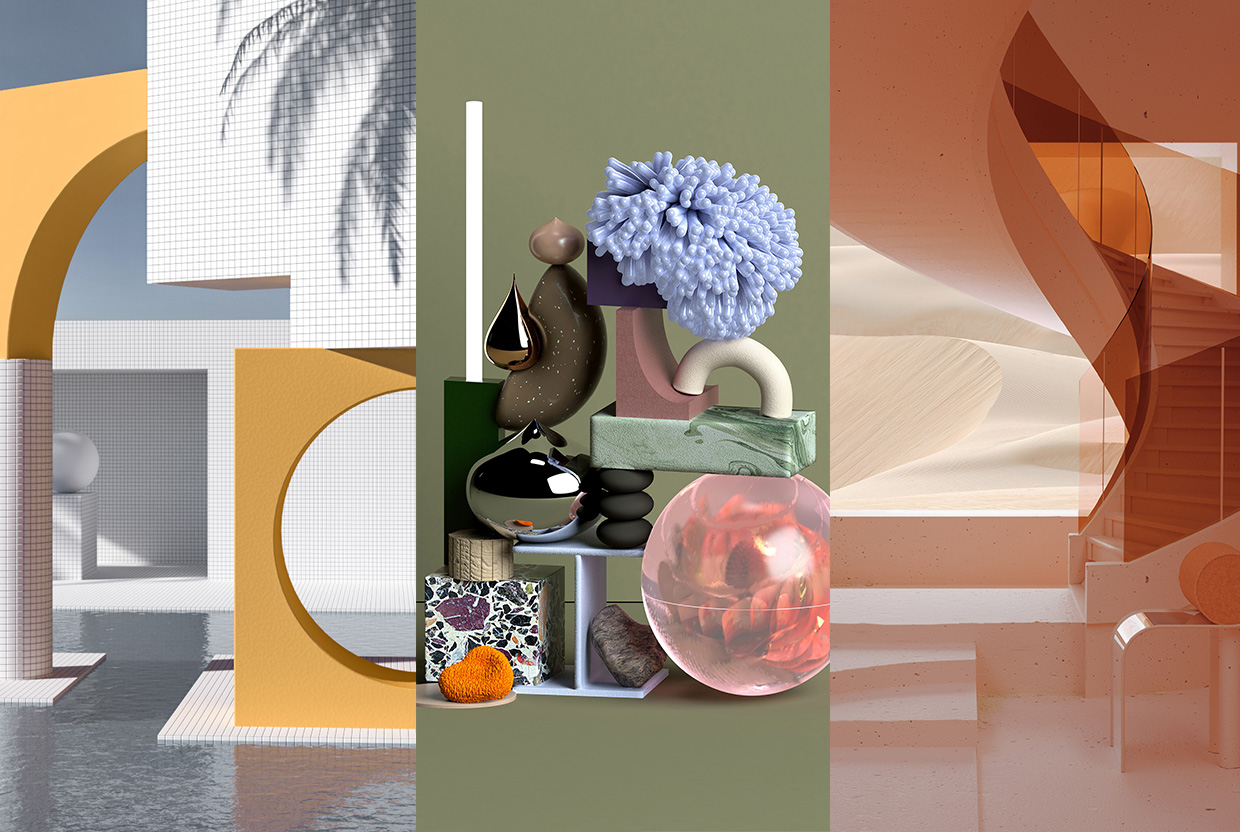
At its core, an artistic spatial image is a three-dimensional representation that harmoniously blends elements of art and technology. Unlike traditional two-dimensional images, spatial images offer depth, perspective, and a sense of reality that draws viewers into the scene. These images leverage the principles of design, light, and color to create an atmosphere that resonates with viewers on both intellectual and emotional levels.
The Role of Technology
Advancements in technology have played a crucial role in the development of artistic spatial images. Software tools such as Blender, Maya, and Adobe’s suite of creative applications allow artists to manipulate 3D models with precision and creativity. These tools enable the creation of intricate details, realistic textures, and dynamic lighting effects, all of which contribute to the overall impact of a spatial image.
Moreover, the integration of augmented reality (AR) and virtual reality (VR) technologies has expanded the possibilities for spatial images. These technologies provide immersive experiences that allow audiences to interact with art in novel ways, further enhancing the visual impact and emotional engagement.
Understanding Spatial Composition
The foundation of any compelling spatial image lies in its composition. Composition refers to the arrangement of elements within the image to achieve balance, harmony, and focus. In spatial images, composition takes on an added dimension as artists must consider not only the x and y axes but also the z-axis, which introduces depth.
A successful composition guides the viewer’s gaze through the image, ensuring that their attention is drawn to key elements in a deliberate sequence. This can be achieved through techniques such as leading lines, contrast, and the strategic placement of objects. Understanding spatial composition is essential for creating images that are not only visually appealing but also meaningful and memorable.
The Power of Light and Shadow
Light is one of the most potent tools in an artist’s arsenal. In spatial images, light and shadow work in tandem to create mood, highlight details, and add depth. The interplay of light and shadow can transform a flat scene into a three-dimensional experience, enhancing the realism and emotional impact of the image.
Artists must consider the direction, intensity, and color of light to achieve the desired effect. For example, soft, diffused lighting can create a calm and serene atmosphere, while harsh, directional lighting can introduce drama and tension. Mastering the manipulation of light and shadow is crucial for artists seeking to create spatial images that resonate with viewers.
Color Theory in Spatial Images
Color is a fundamental element of visual art, and its importance is magnified in the realm of spatial images. Color theory helps artists understand how different hues interact with one another and how they can be used to evoke specific emotions or convey particular themes.
In spatial images, color can be used to establish mood, create contrast, and guide the viewer’s attention. Warm colors such as reds and oranges can evoke feelings of warmth and energy, while cool colors like blues and greens can create a sense of calm and tranquility. By understanding and applying color theory, artists can enhance the visual impact of their spatial images.
Creating Emotional Resonance
One of the primary goals of any artistic endeavor is to evoke an emotional response from the audience. Spatial images have a unique ability to achieve this due to their immersive nature. By carefully considering the elements of composition, light, and color, artists can create scenes that resonate with viewers on a profound level.
Emotionally impactful spatial images often tell a story or convey a message, allowing viewers to connect with the art on a personal level. This emotional connection can be further enhanced through the use of symbolism, metaphor, and allegory, adding layers of meaning that invite deeper reflection and engagement.
Inspiration from Nature and Architecture
Nature and architecture are two abundant sources of inspiration for artists creating spatial images. The natural world offers a rich tapestry of colors, textures, and forms that can be incorporated into artistic compositions. From the delicate play of light through leaves to the intricate patterns found in natural formations, nature provides endless opportunities for creative exploration.
Similarly, architecture offers a wealth of inspiration through its geometric forms, spatial arrangements, and interplay of light and shadow. By studying the principles of architecture, artists can gain insights into creating spatial images that are both structurally sound and aesthetically pleasing.
Experimentation and Innovation
Mastering artistic spatial images requires a willingness to experiment and push the boundaries of traditional techniques. Innovation often emerges from the intersection of different disciplines, and artists should embrace opportunities to collaborate with professionals from fields such as technology, science, and design.
Experimentation can involve exploring new software tools, incorporating unconventional materials, or combining different artistic styles. By taking risks and embracing failure as a learning opportunity, artists can discover new approaches and techniques that can elevate their spatial images to new heights.
Conclusion
Mastering artistic spatial images is a multifaceted journey that requires a deep understanding of composition, light, color, and storytelling. By harnessing the power of technology, drawing inspiration from nature and architecture, and embracing experimentation, artists can create visuals that captivate and inspire audiences.
As the field of visual art continues to evolve, spatial images will play an increasingly important role in shaping the way we perceive and interact with the world around us. By honing their skills and expanding their creative horizons, artists have the opportunity to leave a lasting impact through the power of artistic spatial images.










Post Comment