Revolutionize Photography with Cutting-Edge 3D Camera Technology
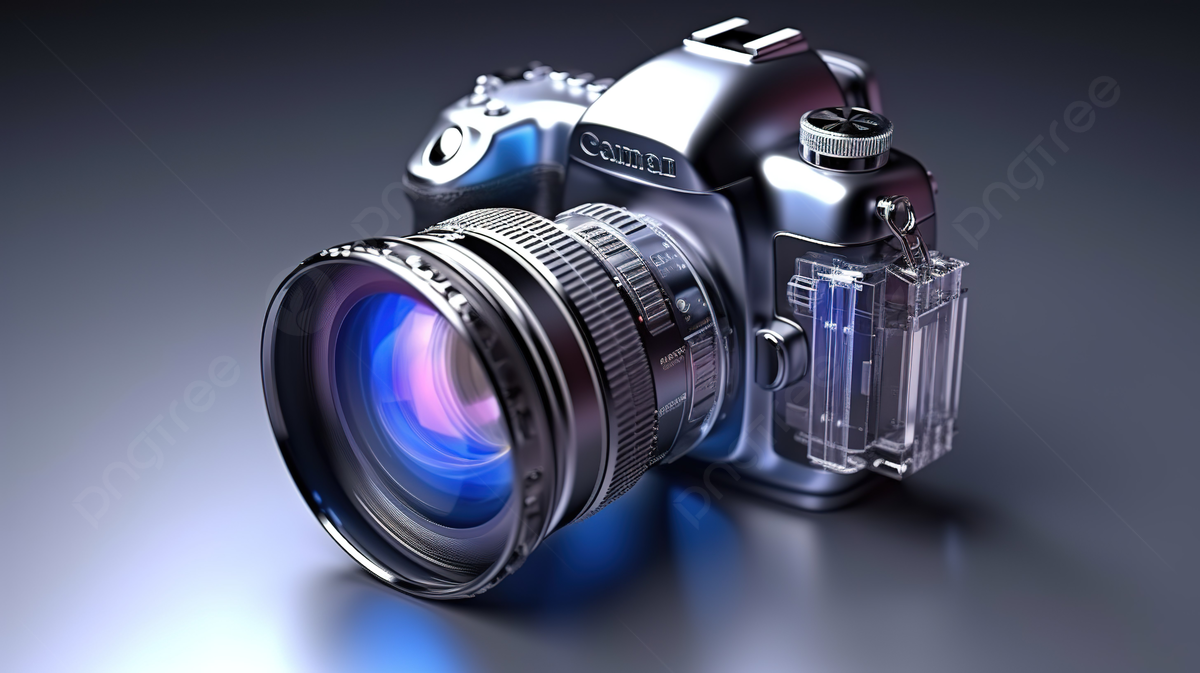
The realm of photography has undergone a radical transformation over the past few decades. From the days of black and white film to the vibrant hues of digital imagery, each technological leap has brought with it new possibilities. Now, we stand at the precipice of another revolution: 3D camera technology. This innovation promises to redefine the way we capture, view, and interact with the world around us. In this article, we will explore how cutting-edge 3D camera technology is revolutionizing photography, the impact it has across various industries, and what the future holds for this exciting field.
The Evolution of 3D Camera Technology
3D camera technology isn’t entirely new. It traces its roots back to stereoscopic photography in the 19th century, where two images were taken from slightly different angles and viewed together to create a sense of depth. However, it wasn’t until the late 20th century, with advancements in digital technology, that 3D cameras began to make significant strides.
Modern 3D cameras employ sophisticated methods such as stereoscopic imaging, time-of-flight sensors, and structured light to capture three-dimensional data. These methods allow photographers to capture not just the color and intensity of light, but also the spatial geometry of the scene. With the advent of powerful processors and advanced algorithms, real-time 3D imaging has become a reality, enabling applications that were once science fiction.
How 3D Cameras Work
At its core, a 3D camera captures depth information along with the traditional 2D image. This is achieved through various technologies:
Stereoscopic Imaging
This method uses two or more lenses to mimic human binocular vision. By capturing images from slightly different perspectives, it allows the camera to calculate the distance of objects, rendering a three-dimensional effect.
Time-of-Flight Sensors
These sensors measure the time it takes for light to travel from the camera to the subject and back. This information is used to calculate the distance to each point in the scene, creating a depth map.
Structured Light
This technique projects a pattern of light onto the subject and analyzes the deformation of the pattern to determine the shape and depth of objects. It is highly accurate and commonly used in industrial applications.
Applications in Photography
The integration of 3D technology into photography opens up a myriad of possibilities. Here are some of the most exciting applications:
Enhanced Portrait Photography
3D cameras can capture the contours and textures of a subject’s face with incredible precision. This allows for stunningly realistic portraits that can be manipulated and enhanced in post-production with ease. Photographers can adjust lighting, depth of field, and other parameters in a virtual environment, providing unparalleled creative control.
Immersive Virtual Reality Experiences
By capturing scenes in three dimensions, photographers can create immersive virtual reality (VR) experiences. Viewers can explore a scene from different angles, creating a sense of presence and interaction that is impossible with traditional photography. This has profound implications for fields like tourism, real estate, and education.
Advanced Object Recognition and Tracking
In fields such as sports and wildlife photography, 3D cameras can track and recognize objects with high accuracy. This capability is invaluable for capturing fast-moving subjects and ensuring sharp, well-composed shots. Moreover, it aids in automating tasks such as focus adjustment and exposure control.
Impact on Industries
Beyond traditional photography, 3D camera technology is making waves in various industries:
Healthcare
In medical imaging, 3D cameras enable the creation of detailed models of organs and tissues, facilitating more accurate diagnoses and treatment planning. Surgeons can simulate procedures in a virtual environment, enhancing precision and outcomes.
Manufacturing and Quality Control
3D cameras are used to inspect products and components with high precision. By capturing detailed 3D models, manufacturers can identify defects and ensure compliance with specifications, reducing waste and improving product quality.
Entertainment and Media
In the film and gaming industries, 3D cameras are revolutionizing the way content is created and consumed. Filmmakers can create lifelike CGI characters and environments, while game developers can craft immersive worlds that respond dynamically to player actions.
The Future of 3D Camera Technology
As 3D camera technology continues to advance, we can expect even more exciting developments in the future. Some trends to watch for include:
Miniaturization and Integration
As 3D camera components become smaller and more efficient, they will be integrated into a wider range of devices, from smartphones to drones. This will democratize access to 3D imaging and spur innovation across various fields.
Artificial Intelligence and Machine Learning
The combination of 3D data with AI and machine learning algorithms will enable new levels of automation and creativity. Cameras will be able to recognize scenes and subjects, adjust settings automatically, and even suggest creative compositions.
Augmented Reality
3D cameras will play a crucial role in the development of augmented reality (AR) applications. By accurately mapping the physical world, they will enable seamless integration of digital content with real-world environments, transforming how we interact with technology.
Conclusion
The advent of cutting-edge 3D camera technology is revolutionizing photography and numerous other industries. By capturing the world in three dimensions, we can create more immersive, realistic, and interactive experiences than ever before. As technology continues to evolve, the possibilities are limited only by our imagination. Whether you’re a professional photographer, a hobbyist, or someone simply interested in the future of technology, the world of 3D cameras offers a fascinating glimpse into the future of visual storytelling.
#ChatGPT assisted in the creation of this article.








Post Comment