Depth Mapping Photography: Creating and Using Depth Maps
In the ever-evolving world of photography, depth mapping has emerged as a pivotal technique for creating stunning 3D imagery.
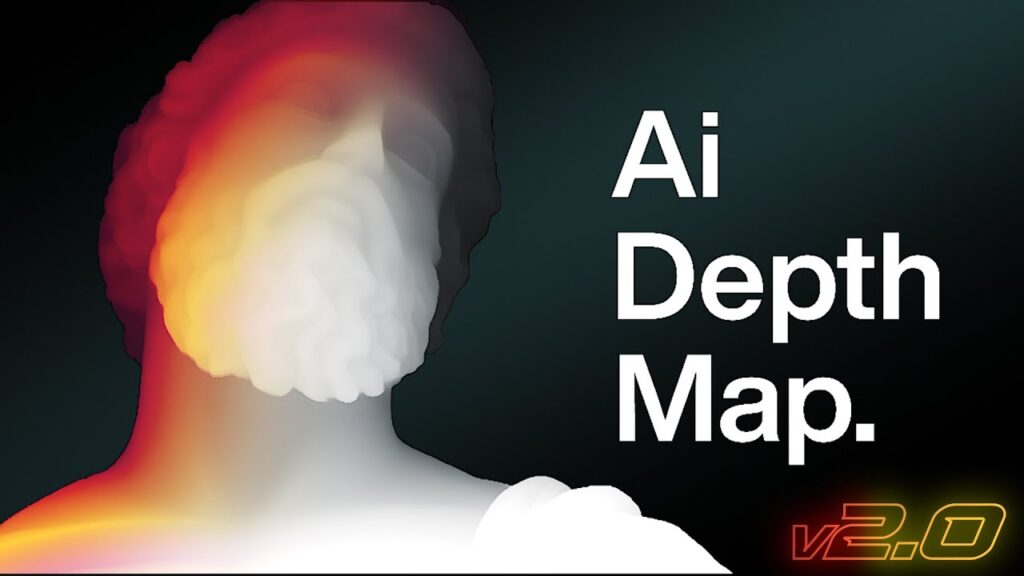
In the ever-evolving world of photography, depth mapping has emerged as a pivotal technique for creating stunning 3D imagery. Depth mapping photography involves capturing the spatial relationships within a scene, allowing photographers to produce images with a sense of depth and realism that captivates viewers. This article delves into the nuances of mastering depth mapping photography, providing you with the knowledge and skills to elevate your 3D photography expertise.
Understanding Depth Mapping
Depth mapping is a process that involves measuring the distance of objects from the camera, creating a map that represents these distances. This map can then be used to produce 3D models or images that accurately reflect the spatial arrangement of a scene. The technique relies on various technologies, including stereo vision, laser scanning, and structured light, each offering unique advantages and applications.
Key Techniques in Depth Mapping Photography
Stereo Vision
Stereo vision mimics human binocular vision by using two cameras to capture images from slightly different angles. The disparity between the images is then used to calculate depth information. This technique is particularly effective for capturing detailed depth maps in real-time and is commonly used in applications such as virtual reality and robotics.
Laser Scanning
Laser scanning involves projecting laser beams onto a scene and measuring the time it takes for the light to return to the sensor. This method provides highly accurate depth data, making it ideal for creating precise 3D models of complex environments. Laser scanning is widely used in architecture, archaeology, and industrial design.
Structured Light
Structured light systems project a pattern of light onto a scene and analyze the deformation of the pattern to calculate depth. This technique is known for its high accuracy and speed, making it suitable for applications requiring rapid depth map generation. Structured light is commonly used in facial recognition and gesture control systems.
Implementing Depth Mapping in Photography
Choosing the Right Equipment
To effectively capture depth information, selecting the appropriate equipment is crucial. High-quality stereo cameras or depth sensors are essential for obtaining accurate depth maps. Consider investing in cameras with large sensors and high resolution to capture detailed images. Additionally, ensure your equipment is compatible with depth mapping software to streamline your workflow.
Setting Up for Depth Mapping
Proper setup is vital for successful depth mapping photography. Ensure your cameras or sensors are properly aligned and calibrated to minimize errors in depth calculations. Pay attention to the lighting conditions, as uneven lighting can introduce inaccuracies. Use tripods or stabilizers to maintain steady shots and reduce motion blur.
Post-Processing Techniques
Post-processing plays a significant role in refining depth maps and enhancing the overall quality of your 3D images. Use software tools to clean up noise, fill in gaps, and adjust the depth map to achieve a more accurate representation of the scene. Experiment with different rendering techniques to create visually appealing 3D effects.
Applications of Depth Mapping Photography
Virtual Reality and Augmented Reality
Depth mapping is integral to creating immersive virtual and augmented reality experiences. By accurately capturing the spatial relationships within a scene, depth maps enable realistic rendering of virtual environments and seamless integration of virtual objects with the real world.
3D Printing and Modeling
In the realm of 3D printing and modeling, depth mapping provides precise data for creating detailed and accurate 3D models. This is particularly valuable in fields such as architecture, product design, and medical imaging, where accuracy and precision are paramount.
Photography and Cinematography
Depth mapping has transformed the way photographers and cinematographers approach their craft. By incorporating depth information, artists can create images and videos with enhanced depth of field, realistic shadows, and dynamic perspectives, offering viewers a more immersive experience.
Challenges in Depth Mapping Photography
Calibration and Precision
Achieving accurate depth maps requires meticulous calibration and precision. Misalignment or calibration errors can lead to distorted depth information, compromising the quality of the final image. Regularly calibrate your equipment and conduct test shots to ensure accuracy.
Lighting Conditions
Variations in lighting can significantly impact the accuracy of depth maps. Harsh shadows or uneven lighting can introduce noise and artifacts, affecting the quality of the final image. Employ controlled lighting setups and consider using reflectors or diffusers to achieve even illumination.
Data Processing and Storage
Depth mapping generates large volumes of data, necessitating robust processing and storage solutions. Ensure your computer and software are capable of handling the data efficiently. Consider using cloud-based storage solutions for easy access and sharing of your work.
Advancing Your 3D Photography Skills
Continuous Learning and Experimentation
The field of depth mapping photography is constantly evolving, with new technologies and techniques emerging regularly. Stay updated with the latest advancements by attending workshops, participating in online courses, and experimenting with new methods. Embrace failure as a learning opportunity and continuously refine your skills.
Collaboration and Networking
Collaborate with other photographers, artists, and professionals in the field to exchange ideas and gain new insights. Join photography communities and forums to connect with like-minded individuals, share your work, and receive constructive feedback.
Showcasing Your Work
Build a portfolio that highlights your depth mapping photography skills. Use social media platforms and photography websites to showcase your work and reach a wider audience. Consider entering photography competitions or exhibitions to gain recognition and exposure.
Conclusion
Mastering depth mapping photography is a journey that combines technical expertise, creativity, and continuous learning. By understanding the principles of depth mapping and implementing the right techniques, you can elevate your 3D photography skills and create captivating images that leave a lasting impact. Embrace the challenges, explore new possibilities, and let your creativity soar in the world of depth mapping photography.
#ChatGPT assisted in the creation of this article.