Spatial Photography: How to Capture Spaces in 3D
In the realm of photography, where capturing the essence of a moment is both an art and a science, spatial photography stands as a unique discipline.
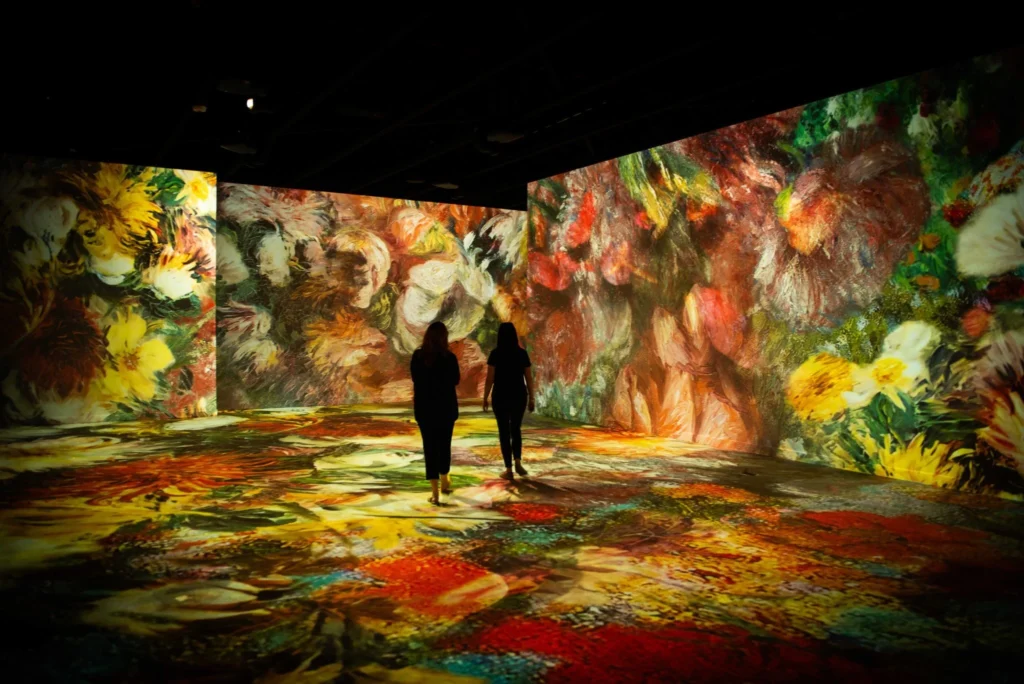
In the realm of photography, where capturing the essence of a moment is both an art and a science, spatial photography stands as a unique discipline. This form of photography transcends traditional boundaries, offering an immersive experience that transforms spaces into art. With the rise of digital technology and 3D visualization, spatial photography has evolved into a sophisticated craft, enabling photographers to create evocative images that tell a story. This article delves into the nuances of mastering spatial photography, exploring techniques, tools, and creative inspirations that empower photographers to transform spaces into art.
Understanding Spatial Photography
Spatial photography is not just about capturing a scene; it’s about conveying the atmosphere, the emotion, and the narrative of a space. Unlike traditional photography, which often focuses on a single subject, spatial photography encompasses the entire environment, providing a holistic view that engages the viewer. This approach requires a deep understanding of composition, lighting, and perspective, as well as a keen eye for detail.
At its core, spatial photography is about creating a three-dimensional experience from a two-dimensional image. This involves manipulating elements such as depth, scale, and texture to create a sense of presence. By doing so, photographers can evoke emotions and convey stories that resonate with viewers long after they’ve seen the image.
The Importance of Composition
Composition is the backbone of any successful photograph, and in spatial photography, it takes on an even greater significance. To capture the essence of a space, photographers must consider how various elements interact within the frame. This involves balancing negative and positive space, guiding the viewer’s eye through the image, and creating a sense of harmony and rhythm.
One effective technique is the use of leading lines, which draw the viewer’s attention into the scene and create a sense of depth. These lines can be architectural features, natural elements, or even the arrangement of furniture. Additionally, the rule of thirds can be employed to create a balanced composition, with key elements placed along imaginary lines that divide the image into thirds.
Lighting: The Sculptor of Mood
Lighting is a crucial element in spatial photography, as it can dramatically alter the mood and atmosphere of a space. Mastering the art of lighting involves understanding how natural and artificial light interact with the environment and using this knowledge to highlight or obscure certain elements.
Natural light is often the preferred choice for spatial photographers, as it can create soft, diffused lighting that enhances the textures and colors of a space. When working with natural light, it’s essential to consider the time of day, as the angle and quality of light can change dramatically throughout the day. Early morning and late afternoon light, often referred to as the “golden hour,” can add a warm, inviting glow to a space.
Artificial lighting, on the other hand, offers greater control and flexibility. Photographers can use a combination of ambient, task, and accent lighting to create depth and dimension. Experimenting with different lighting setups and modifiers, such as softboxes and reflectors, can help achieve the desired effect.
Perspective: Playing with Angles
Perspective is another vital component in spatial photography, as it dictates how viewers perceive the space. By experimenting with different angles and viewpoints, photographers can alter the narrative of a scene and evoke different emotions.
Low-angle shots can create a sense of grandeur and importance, emphasizing the scale and architectural features of a space. Conversely, high-angle shots can provide a more intimate view, making the space feel more approachable and inviting. Wide-angle lenses are particularly useful in spatial photography, as they can capture expansive views and convey a sense of openness and freedom.
The Role of Technology
In recent years, technological advancements have revolutionized the field of spatial photography. Tools such as drones, virtual reality (VR), and 3D imaging have opened new avenues for creativity and expression.
Drones, for instance, allow photographers to capture aerial views of spaces, providing a unique perspective that is often unattainable from the ground. This bird’s-eye view can reveal patterns and relationships between elements that are not immediately apparent.
Virtual reality, on the other hand, offers an immersive experience that transports viewers into the space itself. By creating 360-degree panoramas and VR environments, photographers can give viewers the ability to explore a space as if they were physically present. This interactive experience adds a new dimension to spatial photography, allowing for greater engagement and storytelling.
Post-Processing: The Final Touch
Post-processing is an integral part of the spatial photography workflow, as it allows photographers to refine and enhance their images. This stage involves adjusting exposure, contrast, and color balance, as well as correcting any distortions or imperfections.
Software such as Adobe Lightroom and Photoshop are essential tools for post-processing, offering a wide range of features and capabilities. Photographers can use these programs to fine-tune their images, ensuring that the final product accurately reflects the mood and atmosphere of the space.
It’s important to approach post-processing with a light touch, as over-editing can detract from the authenticity of the image. The goal is to enhance the natural beauty of the space, rather than create an artificial representation.
Creative Inspiration: Finding Your Voice
Mastering spatial photography is not just about technical skill; it’s also about finding your unique voice and perspective. Drawing inspiration from various sources can help photographers develop their style and approach.
Exploring different architectural styles, art movements, and cultural influences can provide a wealth of ideas and inspiration. Additionally, studying the work of other photographers and artists can offer valuable insights into composition, lighting, and storytelling.
Travel can also be a powerful source of inspiration, as it exposes photographers to new environments and experiences. By immersing themselves in different cultures and landscapes, photographers can gain a deeper understanding of how spaces function and interact with their surroundings.
Conclusion
Spatial photography is a dynamic and evolving field that challenges photographers to think beyond traditional boundaries. By mastering the techniques of composition, lighting, and perspective, and embracing the possibilities offered by technology, photographers can transform spaces into art. This discipline offers endless opportunities for creativity and expression, allowing photographers to tell compelling stories and evoke emotions through their images. As you embark on your journey to master spatial photography, remember to stay curious, experiment with new ideas, and, most importantly, find your unique voice in the world of visual storytelling.
#ChatGPT assisted in the creation of this article.