Revolutionizing Design: Modern 3D Visuals Unleashed
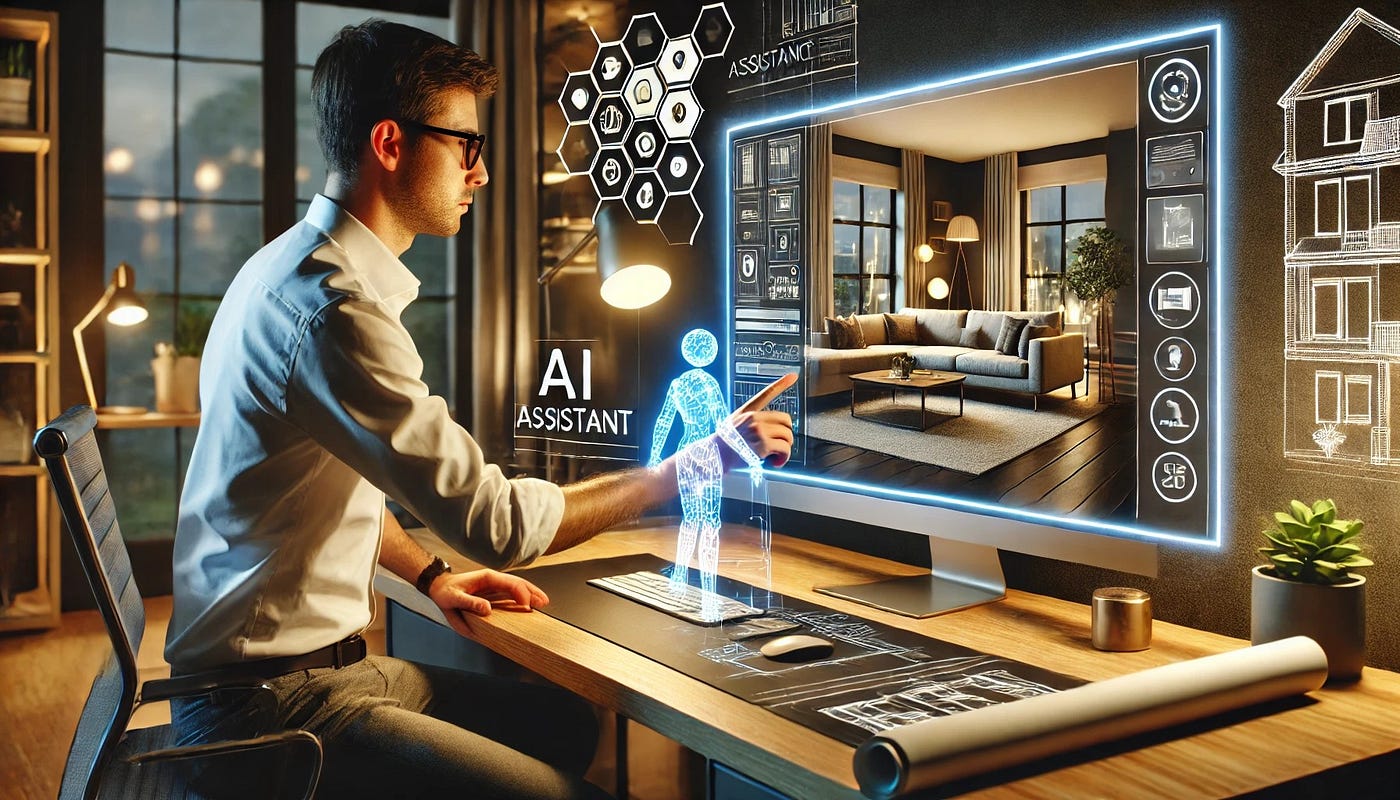
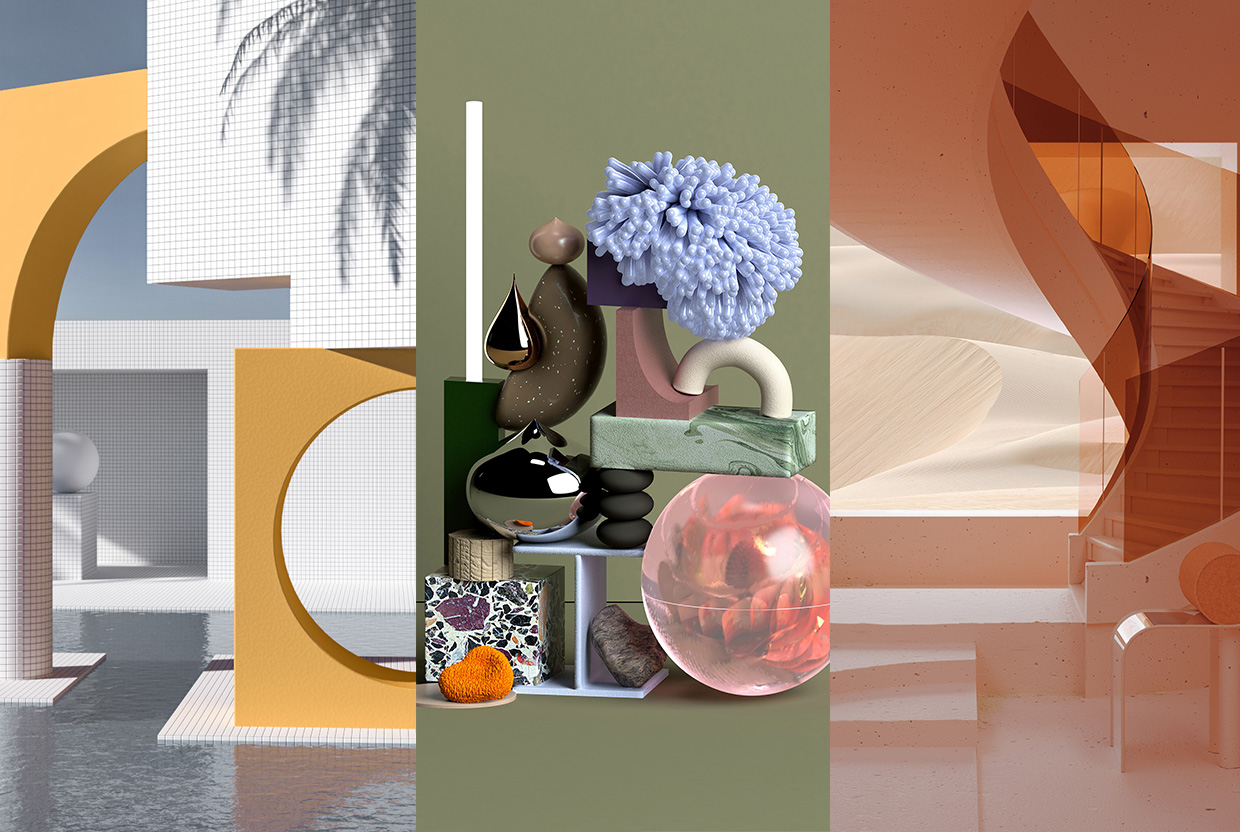
In recent years, the realm of design has undergone a monumental transformation, driven by the advent of modern 3D visuals. This technological evolution is not merely an enhancement of previous capabilities but a complete revolution that is reshaping the landscape of creative industries. From architecture to entertainment, the power and precision of 3D design tools are unleashing new potentials, allowing for unprecedented levels of creativity and innovation. In this article, we will explore how modern 3D visuals are revolutionizing design, the technologies fueling this change, and the implications for the future of creative industries.
The Rise of 3D Visuals
The journey of 3D visuals began decades ago, with primitive models and basic rendering techniques. However, it is only in the last few years that the technology has matured to a point where it can be considered revolutionary. The increased accessibility of powerful computing resources, coupled with sophisticated software, has democratized 3D design, enabling creatives from diverse fields to harness its potential.
Technological Advancements
The foundational technology behind modern 3D visuals includes advancements in hardware such as GPUs, which have become more affordable and powerful. Software innovations also play a critical role, with programs like Blender, Autodesk Maya, and Cinema 4D offering robust platforms for 3D modeling and rendering. These tools are now equipped with features that support real-time rendering, photorealistic textures, and complex simulations, which were once the domain of high-budget studios.
Accessible Tools for Designers
One of the most transformative aspects of modern 3D visuals is the accessibility of these tools. Open-source software and affordable licenses for professional-grade applications have lowered the barrier to entry for designers, artists, and hobbyists alike. This democratization of tools has led to a surge in creativity, as more people can experiment with 3D design and bring unique visions to life.
Impact on Creative Industries
The influence of modern 3D visuals spans multiple industries, each experiencing unique transformations. From product design to film, the ability to create and manipulate three-dimensional space has opened new avenues for storytelling and innovation.
Architecture and Interior Design
In architecture and interior design, 3D visuals have become indispensable. The ability to create detailed models of structures and spaces allows architects to experiment with form and function in ways that traditional 2D drawings cannot. Virtual reality (VR) and augmented reality (AR) further enhance this by offering immersive experiences where clients can explore designs before they are built. This not only aids in decision-making but also provides a powerful tool for marketing and presentation.
Entertainment and Media
The entertainment industry, particularly film and video games, has been a frontrunner in adopting 3D technologies. The creation of lifelike characters, intricate worlds, and dynamic visual effects relies on cutting-edge 3D design. With the rise of streaming services and digital media, the demand for high-quality content has skyrocketed, pushing the boundaries of what is possible with 3D visuals.
Product Design and Manufacturing
In product design, 3D visuals facilitate rapid prototyping and iterative design processes. Designers can create accurate digital prototypes that can be tested and refined before manufacturing. This not only speeds up the development cycle but also reduces costs and waste. Moreover, the integration of 3D printing technologies has further streamlined the path from digital design to physical product, allowing for customization and innovation in manufacturing.
Innovations Driving 3D Visuals
Several key innovations are propelling the evolution of 3D visuals, making them more powerful and versatile than ever before.
Artificial Intelligence and Machine Learning
AI and machine learning are revolutionizing the way 3D models are created and rendered. These technologies can optimize rendering processes, create realistic textures, and even generate complex models with minimal human input. AI-driven software can analyze and adapt to artistic styles, offering suggestions and automating repetitive tasks, which significantly enhances productivity and creativity.
Real-time Rendering
Real-time rendering has transformed how 3D visuals are produced and experienced. Technologies like Unreal Engine and Unity offer platforms where designers can see changes instantly, allowing for more dynamic and interactive workflows. This capability is particularly impactful in industries like gaming and virtual production, where real-time responsiveness is crucial.
Immersive Technologies
The integration of VR and AR into 3D design processes has opened new dimensions for interaction and immersion. These technologies allow designers and users to engage with 3D models in an intuitive and spatial manner, providing a deeper understanding of scale, proportion, and aesthetics. This is particularly beneficial in fields like architecture and education, where spatial awareness is critical.
Challenges and Considerations
Despite the immense potential of modern 3D visuals, there are challenges and considerations that must be addressed to fully harness their capabilities.
Technical Complexity
The complexity of 3D design tools can be daunting for newcomers. While the software has become more accessible, mastering these tools requires significant time and effort. Designers must have a solid understanding of both artistic principles and technical skills, which can be a barrier to entry.
Resource Intensity
High-quality 3D visuals demand substantial computational resources. This can be a limiting factor for smaller studios and independent creators who may not have access to the necessary hardware. Cloud-based rendering services are emerging as a solution, offering scalable resources that can be accessed on demand.
Intellectual Property and Ethics
As 3D design becomes more prevalent, issues related to intellectual property and ethical use of technology are becoming more prominent. The ease of replicating and distributing digital models raises concerns about copyright infringement and the protection of creative work. Additionally, ethical considerations around the use of AI in design processes must be addressed to ensure responsible and fair use of technology.
The Future of 3D Visuals
The future of 3D visuals is promising, with ongoing advancements poised to further revolutionize design across industries. As technology continues to evolve, we can expect even more seamless integration of 3D tools into everyday workflows, making them an integral part of the creative process.
Emerging Technologies
Emerging technologies such as neural rendering and holography hold the potential to redefine what is possible with 3D visuals. Neural rendering, which leverages AI to create highly realistic images, is still in its infancy but promises to drastically reduce rendering times and improve visual fidelity. Holography could offer new ways of visualizing and interacting with 3D content, bridging the gap between digital and physical experiences.
Cross-industry Collaboration
As 3D visuals become more ubiquitous, collaboration across industries will become increasingly important. The convergence of technology, art, and science will drive innovation and lead to new applications and opportunities. By fostering interdisciplinary partnerships, we can unlock the full potential of 3D design and create a more interconnected and creative future.
Conclusion
The revolution of modern 3D visuals is reshaping the design landscape, offering unprecedented opportunities for creativity and innovation. As technology continues to advance, the possibilities for what can be achieved with 3D design are virtually limitless. By embracing these tools and overcoming the associated challenges, designers and creators can elevate their work to new heights, ushering in a new era of visual expression and inspiration. Whether in architecture, entertainment, or product design, the future of 3D visuals is bright, and its impact will be felt across all creative industries for years to come.








Post Comment