Futuristic Photography Styles to Explore in 3D
In the rapidly evolving world of photography, the future is now. As technology advances and artistic visions expand, photographers are exploring…
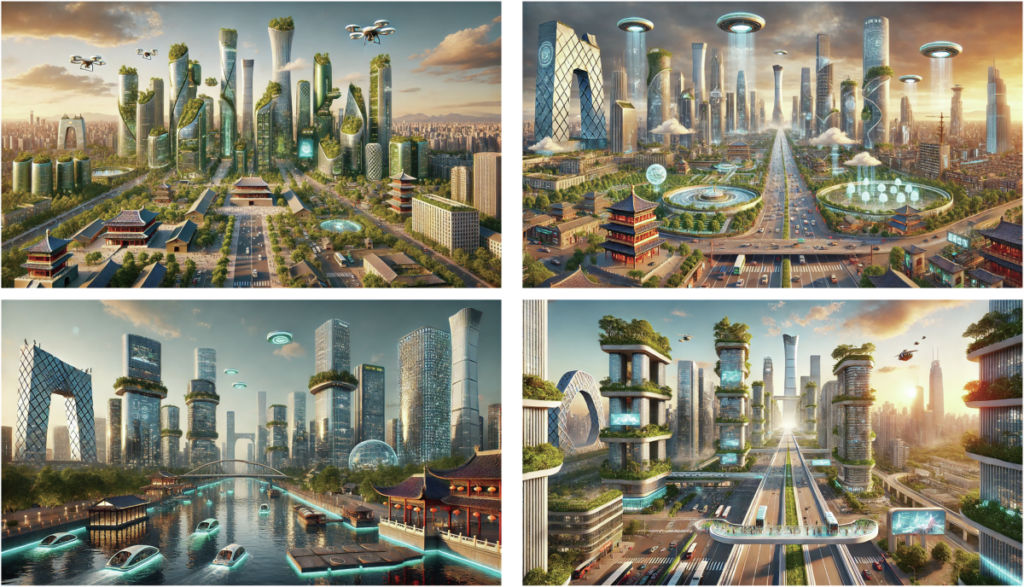
In the rapidly evolving world of photography, the future is now. As technology advances and artistic visions expand, photographers are exploring remarkable new styles that stretch the boundaries of traditional imagery. These futuristic photography styles are not just about capturing moments; they are about redefining reality, pushing the limits of creativity, and envisioning a world beyond our current understanding. In this exploration, we delve into some of the most innovative and transformative photography styles that are shaping the future of visual storytelling.
Holographic Photography
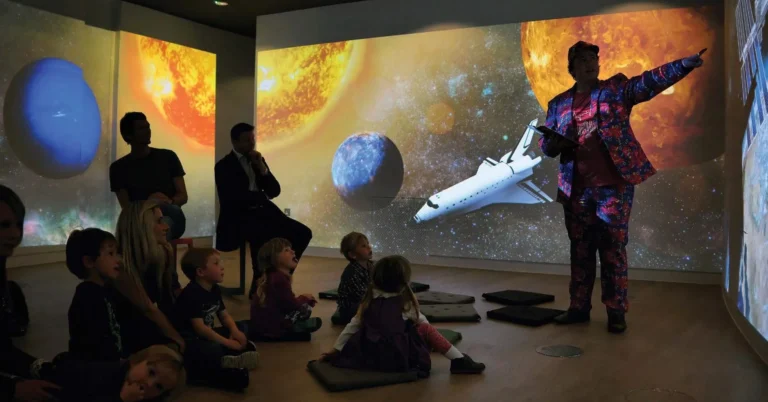
Holographic photography is a style that blurs the lines between reality and virtuality. By utilizing advanced holographic technology, photographers create images that appear three-dimensional, allowing viewers to experience a scene as if they are part of it. This style leverages light interference patterns to produce images with depth, making them come alive in ways traditional photos cannot.
The appeal of holographic photography lies in its immersive nature. It is being used in various fields, from advertising and entertainment to education and science. Imagine a history textbook where students can see historical events unfold in 3D, or a fashion show where viewers can observe garments from every angle without leaving their seats. Holographic photography is a groundbreaking tool that is expanding the possibilities of visual communication.
AI-Generated Imagery
Artificial Intelligence (AI) is revolutionizing the way photographers create visuals. AI-generated imagery involves using algorithms to produce or enhance images, often resulting in stunning, surreal compositions. These algorithms can learn from vast datasets of existing photos, generating entirely new and unique visuals that challenge our perception of reality.
AI-generated imagery is particularly popular in the realm of digital art and commercial photography. Artists and brands use AI to create content that stands out, offering visuals that are both innovative and captivating. Moreover, AI can enhance traditional photography by automatically adjusting lighting, colors, and even suggesting creative edits, making the process faster and more efficient.
Virtual Reality Photography
Virtual Reality (VR) photography is another frontier in the evolution of imagery. By capturing environments in 360 degrees, VR photography allows viewers to immerse themselves in a scene fully. This style is particularly powerful in storytelling, as it offers a sense of presence and engagement that traditional photography cannot match.
VR photography is being widely adopted in fields such as travel, real estate, and event documentation. It offers the ability to transport viewers to distant places, explore properties from the comfort of their homes, or relive events as if they were there. The future of VR photography promises even more interactive experiences, where viewers can not only look around but also interact with the environment.
Augmented Reality Photography
Augmented Reality (AR) photography merges the real world with digital enhancements, overlaying virtual elements onto real-life scenes. This style allows photographers to add layers of information, art, or interactive features to their images, creating a hybrid experience that can be both informative and entertaining.
AR photography has significant implications for industries like marketing, education, and entertainment. Brands are using AR to engage consumers with interactive advertisements, educators are enhancing lessons with digital overlays, and artists are creating works that exist in both the physical and digital realms. The potential for AR photography is vast, and as technology becomes more accessible, its applications will continue to grow.
Bioluminescent Photography
Bioluminescent photography captures the beauty of nature’s glow, using specialized techniques to photograph organisms that emit light. This style is not just about aesthetics; it emphasizes the wonders of the natural world, drawing attention to the diverse and often unseen beauty around us.
Photographers use bioluminescent photography to document phenomena like glowing plankton in the ocean, fireflies in the forest, or the eerie glow of certain fungi. This style requires a deep understanding of light and timing, as well as a willingness to explore remote and sometimes challenging environments. The results are images that are both ethereal and enlightening, offering a glimpse into the magical aspects of our planet.
Time-Blend Photography
Time-blend photography is a technique that combines multiple images taken at different times to create a single, cohesive photo. This style allows photographers to capture the passage of time in a single frame, often blending day and night or different weather conditions to create stunning visual narratives.
Time-blend photography is particularly effective in landscape and cityscape photography, where it can convey the dynamic nature of a scene over time. It requires careful planning and execution, as photographers must consider factors like light changes and movement within the scene. The final images are often breathtaking, showcasing both the beauty of the natural world and the bustling energy of urban environments.
Drone Photography
Drone photography has opened up new perspectives in capturing the world around us. By providing a bird’s-eye view, drones allow photographers to explore angles and compositions that were previously impossible or difficult to achieve. This style offers a fresh take on landscapes, architecture, and events, providing a sense of scale and context that ground-level photography cannot.
As drone technology becomes more advanced and affordable, its use in photography continues to grow. Drones are being used for everything from documenting environmental changes and construction projects to capturing stunning aerial shots of weddings and sports events. The ability to maneuver in three-dimensional space gives photographers the freedom to explore their creativity in new and exciting ways.
Infrared Photography
Infrared photography involves capturing images using infrared light, which is invisible to the human eye. This technique creates surreal and dreamlike images, often rendering familiar scenes in unexpected colors and tones. It is particularly popular in landscape photography, where it can transform ordinary settings into otherworldly vistas.
The unique look of infrared photography is achieved by using special filters or converting a camera’s sensor to capture infrared light. This style allows photographers to explore the unseen aspects of light and color, offering a fresh perspective on the world. Infrared photography challenges viewers to see beyond the visible spectrum and appreciate the hidden beauty of their surroundings.
Conclusion
The future of photography is bright, with new styles and technologies continually emerging to push the boundaries of what is possible. From holographic and AI-generated imagery to VR and AR photography, the possibilities are endless. These futuristic photography styles not only enhance our ability to capture and share experiences but also inspire us to see the world in new and exciting ways.
As photographers continue to experiment with these innovative techniques, they are not just documenting the present but also shaping the future of visual storytelling. The journey of revolutionizing imagery is ongoing, and it promises to be an exciting one, filled with creativity, exploration, and endless inspiration.