Artistic Depth: Creative Ways to Add Dimension to Images
In the realm of digital artistry, few mediums are as dynamic and transformative as 3D visuals.
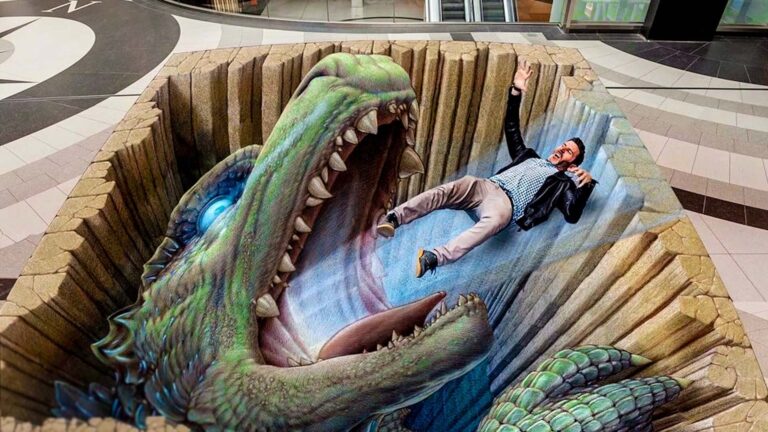
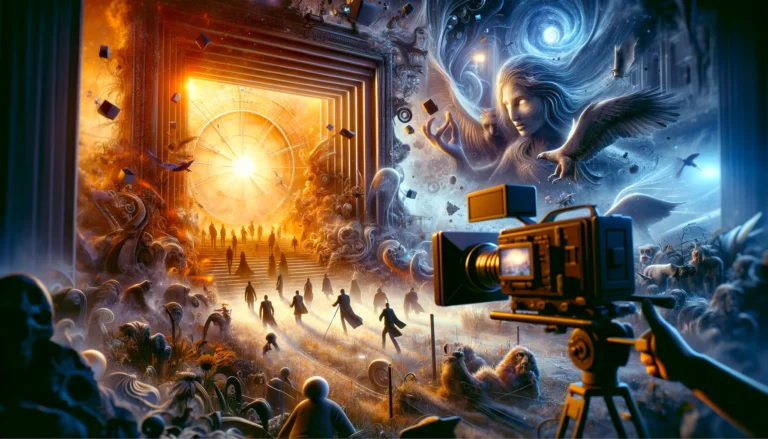
In the realm of digital artistry, few mediums are as dynamic and transformative as 3D visuals. The ability to create lifelike depth and dimension has revolutionized the way artists, designers, and storytellers convey their messages. “Mastering Artistic Depth: Transformative 3D Visuals” delves into the techniques, technologies, and inspirations that drive this captivating field. By exploring the nuances of 3D artistry, we can better understand how it reshapes our perception of reality and expands the boundaries of imagination.
The Evolution of 3D Artistry
The journey of 3D visuals began with rudimentary wireframe models in the early days of computer graphics. Over the years, advancements in technology have propelled this art form into an era of unprecedented realism and creativity. From the pioneering work of artists in the 1970s to today’s cutting-edge virtual reality experiences, 3D visuals have continually evolved in complexity and capability.
In the late 20th century, software innovations like Autodesk’s 3ds Max and Blender democratized 3D modeling, making it accessible to a broader range of creatives. The advent of powerful rendering engines such as V-Ray and Unreal Engine further enhanced the ability to produce photorealistic images and animations. Today, 3D visuals are integral to industries as diverse as film, gaming, architecture, and advertising.
Techniques for Mastering Depth in 3D Visuals
Creating depth in 3D visuals requires a keen understanding of several core principles. These include the manipulation of light and shadow, perspective, texturing, and the strategic use of color. Each element plays a crucial role in enhancing the viewer’s perception of depth and realism.
Lighting and Shadows
Lighting is perhaps the most critical factor in establishing depth. By strategically placing light sources, artists can create shadows and highlights that define the contours of objects and spaces. Techniques such as global illumination and ambient occlusion simulate the way light interacts with surfaces, adding a layer of authenticity to the scene.
Perspective
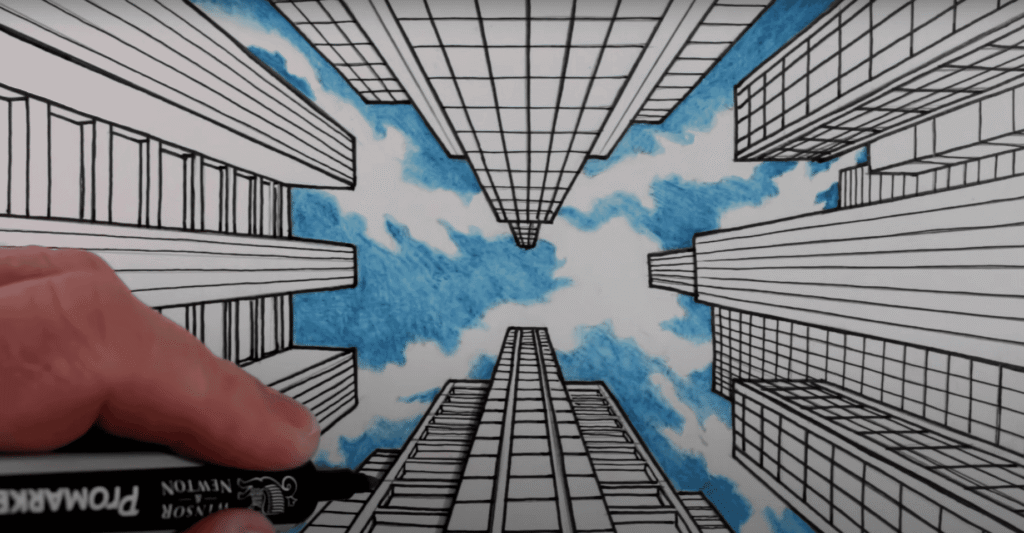
Perspective is essential in conveying a sense of three-dimensional space on a two-dimensional plane. By employing techniques such as linear perspective, artists can guide the viewer’s eye through a scene, creating a sense of scale and distance. 3D software offers tools like camera lenses and vanishing points to accurately simulate perspective, enhancing the illusion of depth.
Texturing
Textures add realism to 3D models by replicating the surface details of real-world materials. Techniques such as bump mapping, normal mapping, and displacement mapping give surfaces a tactile quality, making them appear more lifelike. Textures can also be used creatively to evoke emotions and atmosphere, contributing to the overall narrative of the piece.
Color Theory
Color plays a significant role in creating depth and mood. By understanding color theory, artists can use contrasting hues to separate foreground elements from the background, while harmonious palettes can unify a scene. Additionally, atmospheric effects like fog and haze can be simulated through color grading, enhancing the perception of distance and scale.
Transformative Applications of 3D Visuals
The transformative power of 3D visuals extends beyond artistic expression and into practical applications across various industries. Here, we explore some of the most impactful uses of 3D artistry.
Film and Animation
In the film industry, 3D visuals have revolutionized storytelling by enabling filmmakers to create worlds and characters that transcend the limitations of live-action. From the fantastical landscapes of “Avatar” to the emotive expressions of animated characters in Pixar films, 3D artistry has expanded the narrative possibilities of cinema.
Video Games
Video games are a natural frontier for 3D visuals, offering immersive experiences that engage players on multiple sensory levels. The integration of real-time rendering engines allows for interactive environments that respond dynamically to player actions. Games like “The Witcher 3” and “Cyberpunk 2077” showcase the potential of 3D visuals to craft intricate, believable worlds.
Architecture and Design
In architecture and design, 3D visuals facilitate the creation of detailed models and simulations. Architects use 3D software to visualize buildings and spaces before they are constructed, enabling better planning and decision-making. Interior designers leverage 3D renders to experiment with layouts, materials, and lighting, offering clients a virtual preview of their projects.
Advertising and Marketing
In advertising, 3D visuals provide a versatile tool for crafting compelling campaigns. Brands can use 3D models to showcase products from every angle, creating engaging and interactive content for consumers. This approach not only enhances the shopping experience but also allows for innovative storytelling that sets brands apart in a crowded marketplace.
Inspiration and Innovation in 3D Artistry
The world of 3D artistry is a constant source of inspiration, driven by a community of creatives pushing the boundaries of what is possible. Online platforms like ArtStation and Behance showcase the diverse talents of 3D artists, offering a wealth of inspiration for newcomers and veterans alike.
Collaborative Creativity
Collaboration plays a vital role in the development of 3D visuals. Artists often work together in multidisciplinary teams, combining skills in modeling, texturing, animation, and programming to achieve their vision. The open-source nature of many 3D tools encourages knowledge sharing and innovation, fostering a community of continuous learning and improvement.
Emerging Technologies
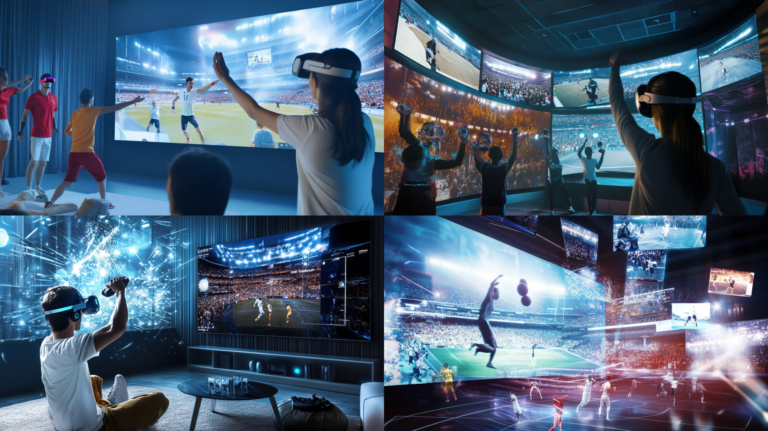
Emerging technologies such as virtual reality (VR) and augmented reality (AR) are reshaping the landscape of 3D artistry. VR offers immersive environments where users can explore and interact with 3D visuals in real-time, while AR overlays digital elements onto the physical world, creating hybrid experiences. These technologies open new avenues for creativity and engagement, challenging artists to rethink traditional approaches.
Future Trends
Looking ahead, the future of 3D visuals promises exciting developments. Advances in artificial intelligence (AI) are set to automate aspects of the creative process, offering new tools for generating complex models and animations. Meanwhile, the increasing accessibility of 3D printing technology allows artists to bring their digital creations into the physical realm, blurring the lines between virtual and tangible art.
Conclusion
“Mastering Artistic Depth: Transformative 3D Visuals” highlights the profound impact of 3D artistry on the creative landscape. By understanding and harnessing the principles of depth, artists can craft visuals that are not only realistic but also emotionally resonant. As technology continues to evolve, the possibilities for innovation in 3D visuals are boundless, promising a future where imagination and reality seamlessly intertwine.
In this ever-evolving field, the pursuit of mastery is a journey of continuous learning and exploration. Whether through the creation of breathtaking cinematic experiences, immersive gaming worlds, or innovative architectural designs, 3D visuals empower artists to transform their visions into reality. As we look to the future, the transformative potential of 3D artistry will undoubtedly continue to inspire and captivate audiences worldwide.
#ChatGPT assisted in the creation of this article.