Revolutionizing Aerial Photography: The Latest 3D Drone Camera

Aerial photography has witnessed a remarkable transformation over the years, thanks to the advent of drone technology. From capturing breathtaking landscapes to providing critical data for various industries, drones have become an indispensable tool. The latest innovation in this field is the integration of 3D cameras into drones, which is revolutionizing the way we perceive and capture the world from above.
The Evolution of Drone Technology
The journey of drone technology has been nothing short of revolutionary. Initially used for military purposes, drones have now found their way into commercial, industrial, and recreational applications. The addition of high-resolution cameras transformed drones into powerful tools for aerial photography, allowing enthusiasts and professionals alike to capture images and videos from unique perspectives.
The Advent of 3D Cameras in Drones
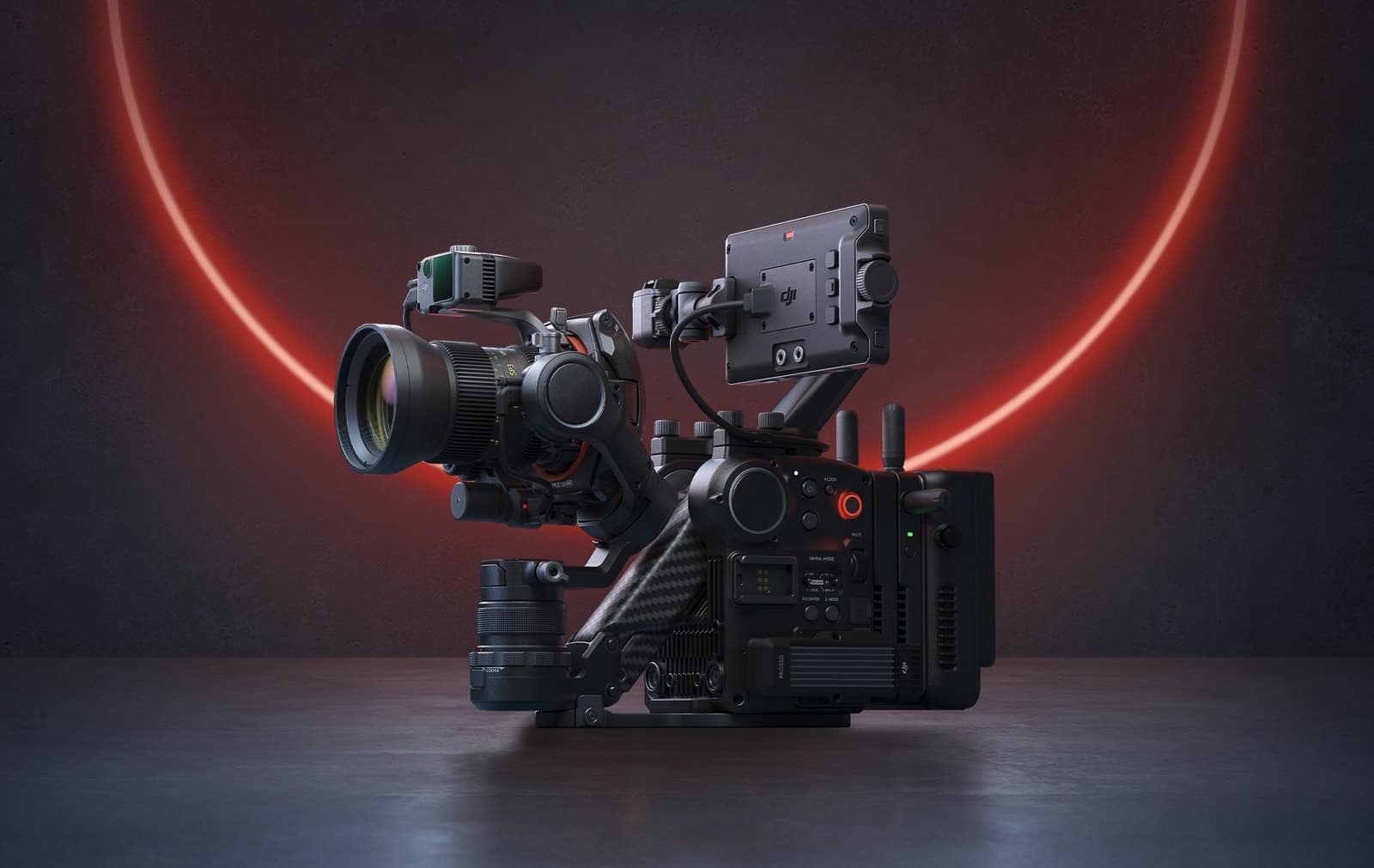
3D cameras have been around for a while, primarily used in filmmaking and gaming industries to create immersive experiences. The integration of 3D cameras into drones marks a significant milestone in aerial photography. These cameras employ stereoscopic imaging to capture depth information, resulting in three-dimensional representations of the environment. This capability opens up new dimensions in aerial photography, offering more than just stunning visuals.
Stereoscopic Imaging and Depth Perception
The core technology behind 3D cameras is stereoscopic imaging, which mimics the human eye’s ability to perceive depth. By capturing two slightly offset images simultaneously, 3D cameras can create a sense of depth and dimensionality. When mounted on drones, these cameras enable photographers to capture images that provide a realistic sense of space and proportion, enhancing the overall photographic experience.
Advantages of 3D Drone Cameras
The integration of 3D cameras into drones offers numerous advantages that are revolutionizing aerial photography. From enhanced visual experiences to practical applications, the benefits are far-reaching.
Enhanced Visualization
One of the most significant advantages of 3D drone cameras is the enhanced visualization they offer. Traditional 2D images can be visually stunning, but they lack the depth that 3D images provide. With 3D cameras, aerial photographers can capture images that offer a more immersive experience, allowing viewers to explore the scene in greater detail.
Accurate Mapping and Surveying
In industries such as construction, agriculture, and urban planning, accurate mapping and surveying are crucial. 3D drone cameras excel in this aspect by providing detailed topographical data. By capturing depth information, these cameras enable the creation of precise 3D maps and models, aiding in better decision-making and project planning.
Improved Data Collection
The ability to capture depth information enhances data collection capabilities. In environmental studies and disaster management, 3D drone cameras can provide valuable insights by capturing the terrain and identifying changes over time. This data is invaluable for monitoring ecosystems, assessing damage, and planning recovery efforts.
Creative Possibilities
For photographers and filmmakers, 3D drone cameras open up a world of creative possibilities. By adding depth to aerial shots, artists can create visually stunning and emotionally engaging content. Whether it’s capturing the grandeur of a mountain range or the intricacies of an urban landscape, 3D imaging allows for more nuanced storytelling.
Applications of 3D Drone Cameras
The versatility of 3D drone cameras makes them suitable for a wide range of applications, from artistic endeavors to practical solutions across various industries.
Film and Entertainment
In the film and entertainment industry, 3D drone cameras are being used to create immersive and dynamic sequences. Filmmakers can capture sweeping aerial shots with a sense of depth, providing audiences with a more engaging cinematic experience. The ability to seamlessly integrate 3D drone footage into 3D films enhances the storytelling process.
Real Estate and Architecture
For real estate professionals and architects, 3D drone cameras offer a powerful tool for showcasing properties and designs. By capturing detailed 3D models, potential buyers and clients can explore properties virtually, gaining a better understanding of the space and layout. This technology streamlines the decision-making process and enhances marketing efforts.
Environmental Monitoring
Environmental scientists and conservationists are leveraging 3D drone cameras to monitor ecosystems and track changes over time. By capturing detailed 3D data of landscapes, researchers can assess the impact of climate change, deforestation, and other environmental factors. This information is crucial for developing effective conservation strategies and policies.
Infrastructure Inspection
Inspecting infrastructure, such as bridges and power lines, can be challenging and time-consuming. 3D drone cameras simplify this process by providing detailed visual data that allows for thorough inspections without the need for manual labor. By capturing depth information, inspectors can identify structural issues and plan maintenance with greater precision.
Challenges and Considerations
While 3D drone cameras offer numerous benefits, there are challenges and considerations to keep in mind when deploying this technology.
Data Processing and Storage
3D imagery generates large amounts of data that require significant processing power and storage capacity. Managing and analyzing this data can be resource-intensive, necessitating robust hardware and software solutions.
Regulatory Compliance
The use of drones for aerial photography is subject to regulations in many countries. Operators must ensure compliance with local laws and regulations regarding drone usage, including flight restrictions and privacy concerns.
Cost and Accessibility
The advanced technology of 3D drone cameras comes at a cost, which may be a barrier for some users. However, as the technology becomes more widespread, prices are expected to decrease, making it more accessible to a broader audience.
The Future of 3D Drone Cameras
The integration of 3D cameras into drones is just the beginning of a new era in aerial photography. As technology continues to advance, we can expect further innovations that will enhance the capabilities of 3D drone cameras.
Artificial Intelligence and Automation
The future of 3D drone cameras will likely involve greater integration with artificial intelligence and automation. AI-driven drones can autonomously capture and process 3D data, streamlining the workflow and reducing the need for human intervention.
Improved Resolution and Sensors
As sensor technology advances, we can anticipate improvements in the resolution and accuracy of 3D drone cameras. Higher resolution sensors will enable more detailed and precise imagery, further enhancing the quality of aerial photography.
Expanded Applications
As 3D drone cameras become more accessible and affordable, their applications will continue to expand. From personalized virtual tours to large-scale mapping projects, the possibilities are limitless.
Conclusion
The integration of 3D cameras into drones is revolutionizing aerial photography by offering a new dimension of depth and realism. With applications spanning across various industries, from film and entertainment to environmental monitoring and infrastructure inspection, 3D drone cameras are transforming the way we capture and interact with the world from above. As technology continues to evolve, the future of 3D drone cameras promises even greater possibilities, paving the way for a new era of aerial innovation.







Post Comment