Revolutionizing Photography: The Rise of 3D Smartphone Cameras
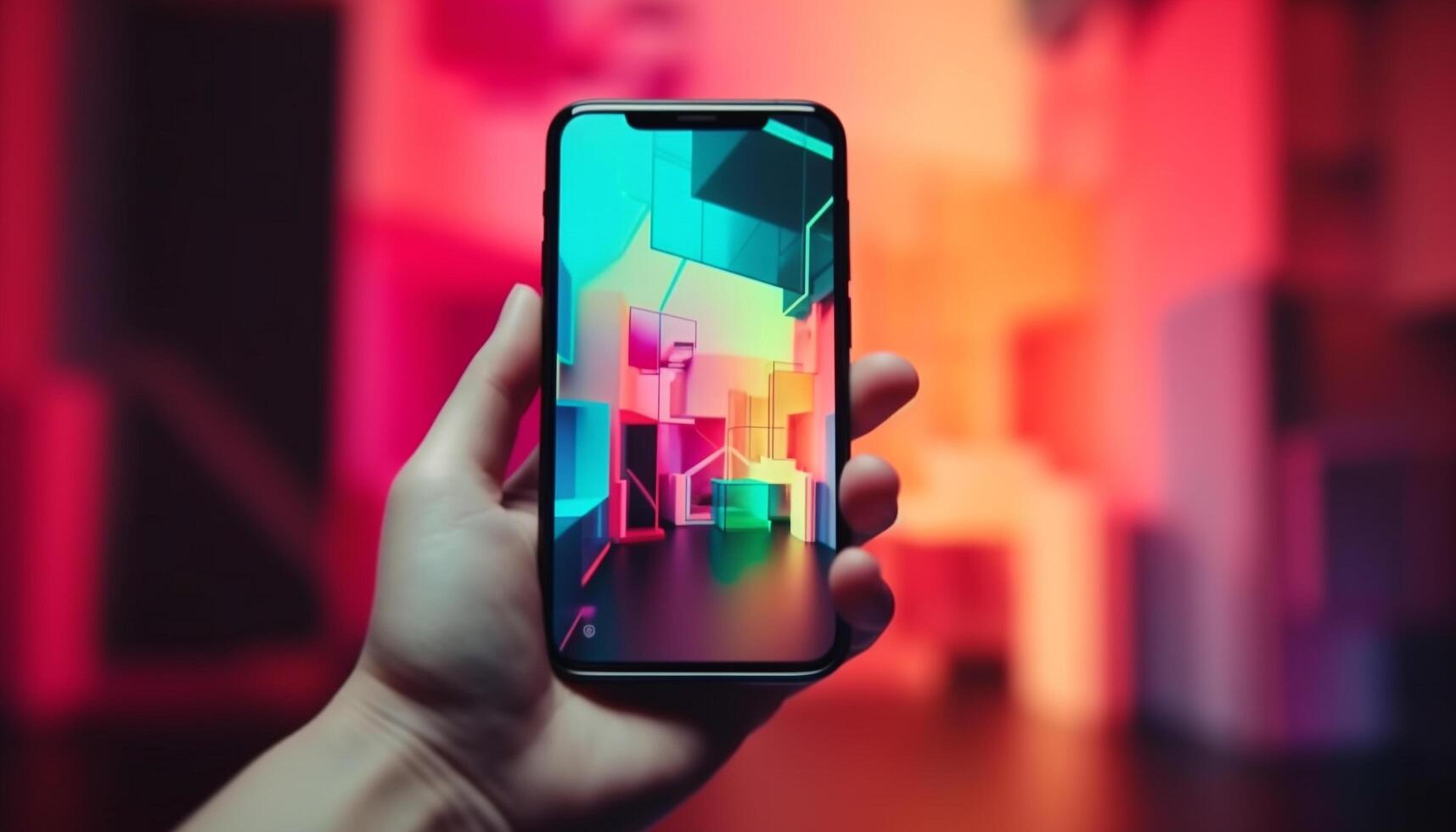
The evolution of photography has been a journey of remarkable advancements, from the early days of bulky, cumbersome cameras to the sleek, sophisticated devices we carry in our pockets today. As technology continues to advance, a new revolution is emerging in the realm of smartphone photography: the rise of 3D smartphone cameras. This innovation promises to transform how we capture, view, and interact with images, offering immersive and lifelike experiences that were once the domain of science fiction.
The Evolution of Smartphone Cameras
Smartphone cameras have come a long way since their inception. The first camera phones, introduced in the early 2000s, had modest capabilities, often producing low-resolution images. However, with the rapid advancement of technology, smartphone cameras have become increasingly powerful, rivaling standalone digital cameras in terms of quality and functionality. Today, multi-lens setups, advanced image processing algorithms, and AI-driven enhancements have become standard features in flagship smartphones.
Understanding 3D Smartphone Cameras
At its core, a 3D camera is designed to capture depth information in addition to the standard two-dimensional image data. Unlike traditional cameras, which rely on flat images, 3D cameras use multiple lenses and sensors to create a three-dimensional representation of the scene. This technology enables users to capture images with depth perception, allowing for more realistic and immersive photos and videos.
How 3D Cameras Work
3D smartphone cameras typically employ various techniques to achieve depth perception. One common method is stereoscopic imaging, which uses two or more lenses to capture images from slightly different angles, mimicking the way human eyes perceive depth. Another approach involves time-of-flight (ToF) sensors, which measure the time it takes for light to bounce off objects and return to the sensor, providing precise depth information. Additionally, some systems use structured light, projecting a pattern onto the scene and analyzing the distortion to calculate depth.
Benefits of 3D Smartphone Cameras
The introduction of 3D smartphone cameras offers numerous benefits and opportunities for both casual photographers and professionals alike. These advantages extend beyond mere novelty, enhancing the overall photography experience and opening new creative possibilities.
Enhanced Depth and Realism
One of the most significant advantages of 3D cameras is the ability to capture images with enhanced depth and realism. By accurately representing the spatial relationships between objects, 3D images provide a more lifelike experience. This is particularly beneficial for architectural and landscape photography, where depth perception is crucial for conveying the scale and intricacy of the scene.
Immersive Experiences
3D images and videos can be used to create immersive experiences, offering viewers a sense of being present in the scene. Virtual reality (VR) and augmented reality (AR) applications greatly benefit from 3D content, allowing users to explore environments in a more engaging and interactive manner. With 3D smartphone cameras, users can easily capture content for these platforms, making immersive experiences more accessible than ever.
Advanced Post-Processing Capabilities
The depth information captured by 3D cameras enables advanced post-processing capabilities. Photographers can apply selective focus, adjust the depth of field, and even manipulate the perspective in post-production. This level of control allows for greater creative expression and the ability to refine images with precision.
Innovative Applications
Beyond traditional photography, 3D smartphone cameras open the door to innovative applications across various industries. In e-commerce, for instance, 3D product images provide customers with a more comprehensive view, enhancing the online shopping experience. In healthcare, 3D imaging can assist in medical diagnostics and treatment planning. The possibilities are virtually limitless, and as the technology matures, new applications will continue to emerge.
Challenges and Considerations
While the potential of 3D smartphone cameras is immense, there are challenges and considerations that must be addressed to ensure widespread adoption and user satisfaction.
Technical Limitations
Despite advances in technology, 3D cameras still face certain technical limitations. Achieving precise depth perception requires sophisticated hardware and software, which can increase the complexity and cost of the devices. Additionally, capturing high-quality 3D images in low-light conditions remains challenging, as depth sensors often rely on adequate lighting to function effectively.
Data Storage and Processing
3D images and videos require more data storage and processing power compared to traditional 2D content. This necessitates larger storage capacities and more powerful processors in smartphones, which can impact battery life and overall device performance. Manufacturers must strike a balance between providing advanced features and maintaining a practical and user-friendly device.
User Education and Adoption
As with any new technology, user education and adoption are critical for the success of 3D smartphone cameras. Consumers need to understand the benefits and potential applications of 3D imaging to fully appreciate its value. Manufacturers and developers must invest in creating intuitive interfaces and educational resources to help users make the most of this technology.
The Future of 3D Smartphone Cameras
The rise of 3D smartphone cameras represents a significant milestone in the evolution of photography. As technology continues to advance, we can expect even more sophisticated and capable 3D cameras to emerge, further enhancing our ability to capture and experience the world around us.
Integration with Emerging Technologies
The integration of 3D cameras with emerging technologies such as artificial intelligence (AI) and machine learning (ML) holds great promise. AI-driven enhancements can improve image quality, automate complex editing tasks, and enable new creative possibilities. Additionally, ML algorithms can analyze 3D data to provide valuable insights, such as identifying objects or estimating distances.
Expanding Creative Horizons
As 3D cameras become more prevalent, photographers and content creators will have new tools at their disposal to push the boundaries of creativity. From interactive art installations to immersive storytelling experiences, the possibilities are endless. The ability to capture and share 3D content will empower creators to engage audiences in novel and exciting ways.
A New Era of Visual Communication
The transition to 3D imaging marks a new era of visual communication, where images are no longer confined to flat, two-dimensional representations. This shift has the potential to change how we document our lives, share experiences, and interact with digital content. As 3D smartphone cameras become more accessible, they will undoubtedly play a pivotal role in shaping the future of photography and visual storytelling.
Conclusion
The rise of 3D smartphone cameras is revolutionizing photography, offering new opportunities for creativity, innovation, and immersive experiences. While challenges remain, the potential benefits are immense, and as technology continues to evolve, the impact of 3D imaging will only grow. As we embrace this exciting new frontier, we can look forward to a future where our visual experiences are more dynamic, engaging, and lifelike than ever before.








Post Comment