Dual-Lens Cameras for 3D Photography: How They Work
In the ever-evolving world of technology, photography has witnessed remarkable transformations.
In the ever-evolving world of technology, photography has witnessed remarkable transformations. Among the most groundbreaking advancements is the introduction of dual-lens cameras. These cameras have revolutionized photography, offering unprecedented capabilities and setting new standards for image quality and creativity. In this article, we delve into the power of dual-lens cameras, exploring their features, benefits, and impact on both amateur and professional photography.
The Evolution of Camera Technology
Photography has come a long way since its inception. From the early days of pinhole cameras to the advent of digital photography, the journey has been marked by innovation. The introduction of dual-lens cameras marks a significant milestone in this journey. Unlike traditional cameras with a single lens, dual-lens cameras employ two separate lenses, each with its own sensor. This configuration opens up a world of possibilities, enabling photographers to capture images with greater depth, clarity, and detail.
Understanding Dual-Lens Cameras
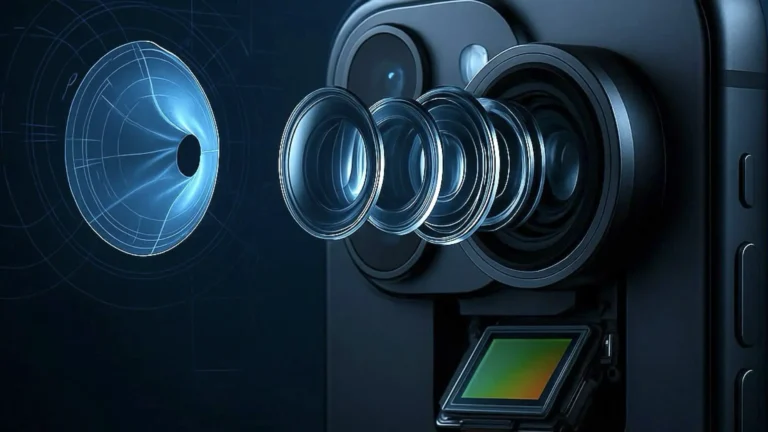
Dual-lens cameras are designed to mimic the way human eyes perceive depth and perspective. By using two lenses, typically with different focal lengths, these cameras can create a stereo image that adds a three-dimensional effect to photographs. One lens captures a wide-angle view, while the other focuses on details and zoom capabilities. The combination of these two perspectives allows for enhanced image quality and creative flexibility.
Key Components of Dual-Lens Cameras
1. **Wide-Angle Lens**: This lens is responsible for capturing a broader scene, making it ideal for landscape photography and group shots. It provides context and background to the image.
2. **Telephoto Lens**: The telephoto lens is designed for capturing distant subjects with precision. It’s perfect for portrait photography, allowing photographers to create stunning bokeh effects and emphasize the subject.
3. **Image Processor**: The image processor in dual-lens cameras plays a crucial role in merging the data from both lenses, resulting in a single, cohesive image. Advanced algorithms and artificial intelligence enhance image quality, reduce noise, and improve color accuracy.
Benefits of Dual-Lens Cameras
The adoption of dual-lens cameras has brought about numerous benefits, transforming the way photographers capture moments and express their creativity.
Enhanced Depth and Dimension
One of the most significant advantages of dual-lens cameras is their ability to capture images with enhanced depth and dimension. By combining data from two lenses, these cameras create a three-dimensional effect, making subjects pop out from the background. This feature is particularly valuable in portrait photography, where subjects can be isolated with stunning clarity.
Improved Low-Light Performance
Dual-lens cameras excel in low-light conditions, thanks to their ability to gather more light through two lenses. This results in brighter and more detailed images, even in challenging lighting situations. Night photography and indoor shots benefit significantly from this capability, allowing photographers to capture scenes with minimal noise and maximum clarity.
Optical Zoom Capabilities
Traditional digital zoom often leads to a loss in image quality. Dual-lens cameras overcome this limitation by offering optical zoom capabilities. The telephoto lens provides genuine optical zoom, allowing photographers to get closer to the subject without sacrificing image quality. This feature is invaluable for wildlife and sports photography, where getting physically closer to the subject may not be possible.
Creative Flexibility
Dual-lens cameras empower photographers with creative flexibility. The ability to switch between wide-angle and telephoto perspectives allows for a diverse range of shots. Whether capturing sweeping landscapes or intimate portraits, photographers can experiment with different compositions and styles, expanding their creative horizons.
Impact on Smartphone Photography
The integration of dual-lens cameras into smartphones has democratized photography, making high-quality imaging accessible to a broader audience. Smartphone manufacturers have embraced this technology, incorporating dual-lens systems into their flagship models. This has transformed everyday photography, allowing users to capture professional-grade images with a device that fits in their pocket.
Portrait Mode and Bokeh Effect
One of the standout features of dual-lens smartphone cameras is the portrait mode, which leverages the telephoto lens to create a bokeh effect. This effect blurs the background while keeping the subject in sharp focus, mimicking the results achieved with professional DSLR cameras. The portrait mode has become a favorite among smartphone users, enabling them to capture stunning portraits with ease.
Augmented Reality and Depth Sensing
Dual-lens cameras have also paved the way for augmented reality (AR) applications. By capturing depth information, these cameras enhance AR experiences, enabling more realistic overlays and interactions. From gaming to interior design, the possibilities for AR applications are vast, enriching user experiences in various domains.
Challenges and Considerations
While dual-lens cameras offer numerous advantages, they also present certain challenges and considerations for photographers.
Size and Complexity
The integration of dual lenses adds complexity to the camera design, potentially increasing the size and weight of the device. This can be a concern for photographers who prioritize portability and ease of use. However, advancements in miniaturization and design have mitigated these challenges to some extent.
Learning Curve
The dual-lens setup may require photographers to adjust their techniques and learn new skills. Understanding when to use each lens and how to leverage their strengths effectively can take time. However, the rewards in terms of image quality and creative possibilities make this learning curve worthwhile.
The Future of Dual-Lens Cameras
The future of dual-lens cameras is promising, with ongoing advancements in technology and innovation. As computational photography continues to evolve, we can expect even more sophisticated algorithms that enhance image quality and expand creative possibilities. Additionally, the integration of artificial intelligence and machine learning will further refine the capabilities of dual-lens cameras, making them even more intuitive and powerful.
Integration with Other Technologies
Dual-lens cameras are likely to be integrated with other emerging technologies such as 5G connectivity, cloud computing, and advanced sensors. These integrations will enable seamless sharing, storage, and processing of images, enhancing the overall photography experience.
Expanding Applications
Beyond traditional photography, dual-lens cameras will find applications in diverse fields, including medical imaging, autonomous vehicles, and industrial inspections. Their ability to capture detailed and accurate depth information makes them valuable tools in various industries, contributing to advancements in research and development.
Conclusion
Dual-lens cameras have undeniably revolutionized photography, offering enhanced depth, dimension, and creative possibilities. From amateur photographers capturing everyday moments to professionals pushing the boundaries of visual storytelling, these cameras have become indispensable tools. As technology continues to advance, the power of dual-lens cameras will only grow, shaping the future of photography and redefining how we capture and share the world around us. Whether in the palm of our hand or in cutting-edge applications, dual-lens cameras are at the forefront of this exciting photographic revolution.