Revolutionizing Imaging: The Future of Spatial Camera Technology

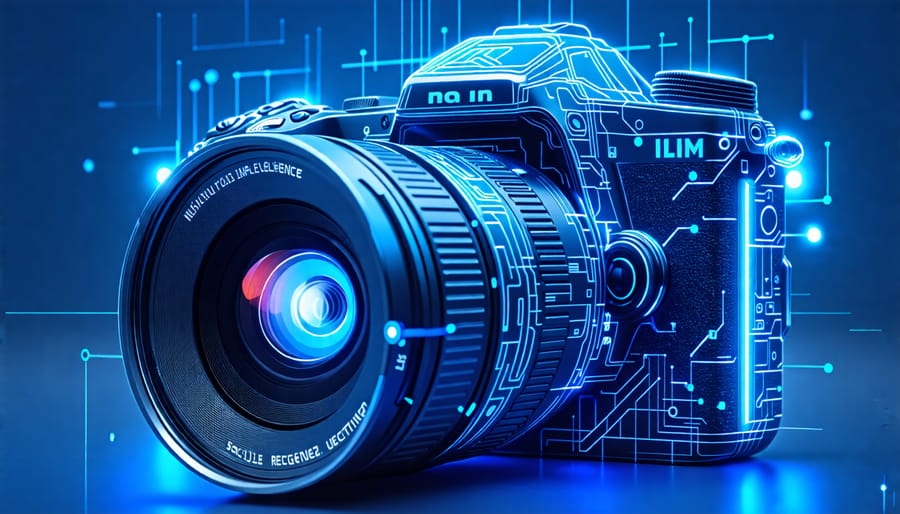
The evolution of imaging technology has transformed the way we capture and perceive the world around us. From the invention of the first camera to the development of digital photography, each advancement has brought us closer to capturing reality in its most vivid form. Today, we stand on the brink of a new frontier in imaging: spatial camera technology. This cutting-edge innovation is set to revolutionize not just photography, but a myriad of industries, offering unprecedented ways to visualize and interact with space and depth.
The Rise of 3D Cameras
3D cameras have been around for several decades, but only in recent years have they gained significant traction. This surge in popularity can be attributed to advancements in sensor technology, computational power, and the growing demand for immersive experiences across various sectors. 3D cameras work by capturing the depth and dimensions of a scene, allowing for a richer and more detailed understanding of the environment.
How 3D Cameras Work
Traditional cameras capture images in two dimensions, recording the height and width of a scene. In contrast, 3D cameras add a third dimension: depth. This is achieved through various methods, including stereoscopic imaging, time-of-flight (ToF) sensors, and structured light. Each of these techniques has its advantages and limitations, but they all aim to map the spatial relationships within a scene, allowing for a more comprehensive representation of the physical world.
Applications of 3D Cameras
The applications of 3D camera technology are vast and varied. In the entertainment industry, 3D cameras are used to create immersive virtual reality experiences and lifelike animations. In healthcare, they assist in creating detailed 3D models for surgery planning and diagnostics. Additionally, in the field of autonomous vehicles, 3D cameras play a crucial role in enabling cars to perceive and navigate their surroundings safely. These examples merely scratch the surface of what is possible with 3D imaging technology.
Advancements in Spatial Camera Technology
As technology continues to advance, spatial cameras are becoming more sophisticated, offering higher resolution, greater accuracy, and improved functionality. Some of the key developments driving this progress include:
Enhanced Sensor Technology
The core of any camera is its sensor, and recent breakthroughs in sensor technology have significantly enhanced the capabilities of spatial cameras. Advanced sensors can now capture more light, produce clearer images in low-light conditions, and deliver higher resolution outputs. These improvements enable spatial cameras to provide more detailed and accurate representations of the real world.
Artificial Intelligence Integration
Artificial intelligence (AI) is playing an increasingly vital role in the evolution of spatial camera technology. By leveraging machine learning algorithms, spatial cameras can now process and analyze images in real-time, identifying objects, estimating depth, and even predicting movement. This integration of AI enhances the functionality of spatial cameras, making them more adaptable and intelligent.
Miniaturization and Portability
As with many technological devices, spatial cameras are becoming smaller and more portable. This trend towards miniaturization not only makes these devices more convenient to use but also expands their potential applications. From wearable 3D cameras to drones equipped with spatial imaging capabilities, the possibilities are limitless.
Improved Data Processing
The ability to process vast amounts of data quickly and efficiently is crucial for the success of spatial camera technology. Recent advancements in data processing techniques and computational power have enabled spatial cameras to handle complex imaging tasks with ease. This improved processing capability allows for real-time rendering of 3D environments, enhancing the user experience.
The Future of Spatial Camera Technology
Looking ahead, the future of spatial camera technology is bright and full of potential. As the demand for immersive experiences continues to grow, so too will the development of innovative solutions to meet these needs. Here are some areas where spatial camera technology is expected to make a significant impact:
Augmented Reality and Virtual Reality
Spatial cameras are set to play a central role in the advancement of augmented reality (AR) and virtual reality (VR) technologies. By providing accurate depth perception and spatial awareness, these cameras will enable more realistic and interactive AR and VR experiences. As a result, industries such as gaming, education, and remote work are likely to see significant transformations.
Smart Cities and Urban Planning
In the realm of urban development, spatial camera technology offers the potential to revolutionize how cities are designed and managed. By creating detailed 3D models of urban environments, planners and architects can simulate and analyze the impact of various projects, improving efficiency and sustainability. Furthermore, spatial cameras can assist in monitoring infrastructure and conducting maintenance, ensuring the safety and functionality of urban areas.
Healthcare and Medical Imaging
The healthcare industry stands to benefit immensely from advancements in spatial camera technology. With the ability to create precise 3D models of anatomical structures, spatial cameras can enhance surgical planning, improve diagnostics, and even facilitate remote consultations. Additionally, the integration of AI with spatial imaging can lead to more accurate and timely disease detection.
Robotics and Automation
Robotics and automation are fields that will greatly benefit from the continued development of spatial camera technology. By providing machines with the ability to perceive and interact with their environment in three dimensions, spatial cameras can enhance the capabilities of robots, making them more efficient and versatile in performing tasks. This advancement has implications for industries ranging from manufacturing to agriculture.
Challenges and Considerations
Despite the exciting possibilities, the development and adoption of spatial camera technology are not without challenges. Some of the key considerations include:
Privacy and Security
As spatial cameras become more prevalent, concerns regarding privacy and security are likely to arise. The ability to capture and analyze detailed 3D data raises questions about how this information is stored, accessed, and used. It is essential for developers and policymakers to establish clear guidelines and regulations to protect individuals’ privacy while fostering innovation.
Cost and Accessibility
Another challenge is ensuring that spatial camera technology remains accessible and affordable. While advancements have led to more cost-effective solutions, high-end spatial cameras can still be prohibitively expensive for many users. Continued efforts to reduce costs and increase accessibility will be crucial in ensuring that the benefits of this technology are widely available.
Technical Limitations
Despite significant advancements, spatial camera technology still faces technical limitations that must be addressed. Issues such as limited range, sensitivity to environmental conditions, and computational demands can impact the performance of these cameras. Ongoing research and development will be necessary to overcome these hurdles and unlock the full potential of spatial imaging.
Conclusion
Spatial camera technology represents a significant leap forward in the field of imaging, offering the ability to capture and interpret the world in three dimensions. As advancements continue, the applications of this technology will expand, touching various aspects of our lives. From enhancing entertainment experiences to improving healthcare outcomes, the future of spatial camera technology is promising and full of opportunities. However, to fully realize this potential, it is essential to address the associated challenges and ensure that this technology is developed responsibly and ethically. By doing so, we can pave the way for a future where spatial cameras are an integral part of how we see and interact with the world.









Post Comment