Innovative 3D Photography Ideas for Stunning Visuals
In the world of photography, innovation is key to creating visuals that captivate and engage. 3D photography has emerged as a compelling medium, offering depth and realism that traditional photography can’t match. By leveraging advanced techniques and technologies, photographers can produce stunning three-dimensional images that not only tell a story but also immerse the viewer in a new dimension. This article delves into innovative 3D photography ideas that can help photographers create breathtaking visuals.
The Basics of 3D Photography
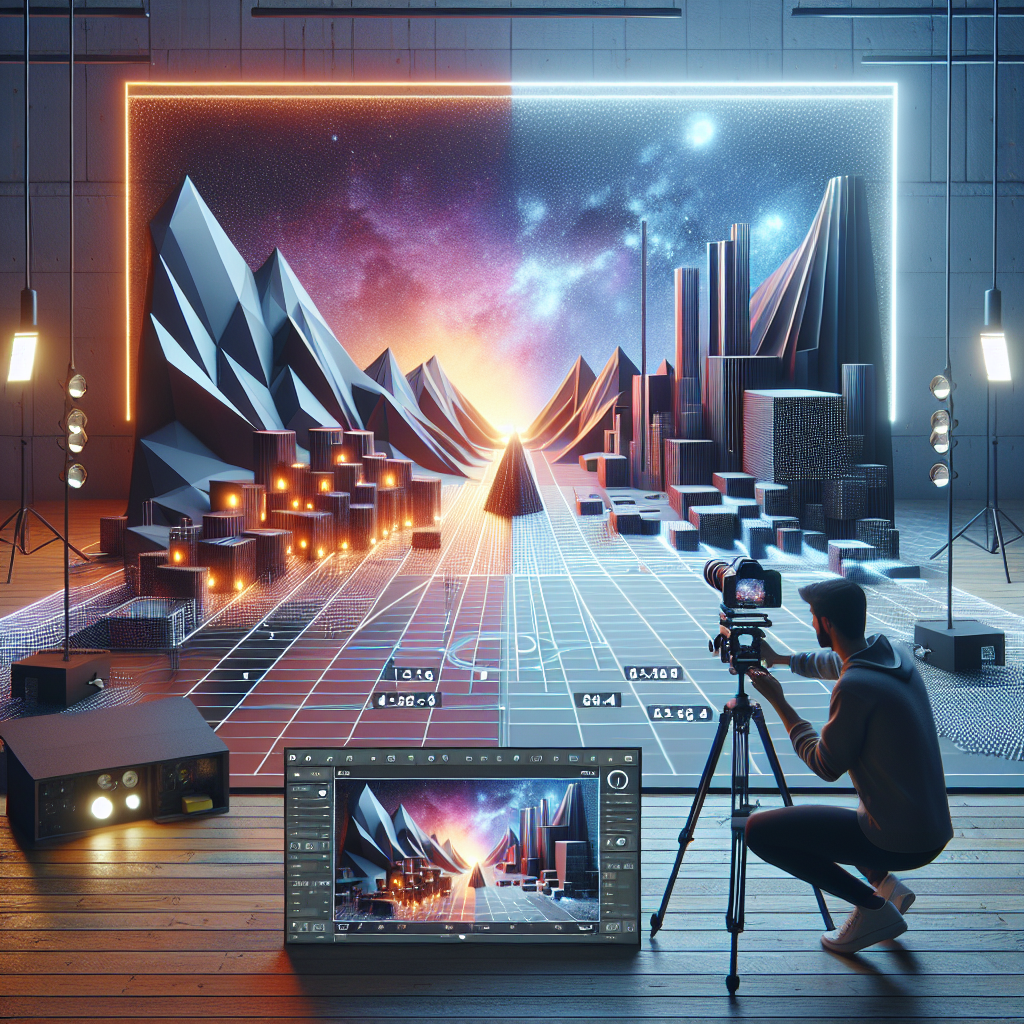
Before exploring innovative ideas, it’s crucial to understand the basics of 3D photography. At its core, 3D photography involves capturing two images from slightly different perspectives, mimicking the way human eyes perceive depth. These images are then combined to create a stereoscopic effect, giving the illusion of depth on a flat surface. Techniques such as anaglyphs, lenticular printing, and polarized 3D glasses are commonly used to view these images.
Harnessing Depth of Field
One of the most effective ways to enhance the 3D effect in photography is by using depth of field creatively. By playing with the aperture settings, photographers can isolate subjects and create a layered effect that draws the viewer’s attention to the focal point while maintaining a sense of depth in the background. Experimenting with different focal lengths and apertures can lead to surprising and dramatic results.
Exploring Anaglyphs
Anaglyphs are a classic technique for creating 3D images that have stood the test of time. By using red and cyan filters to capture two separate images and then merging them, photographers can produce visuals that come to life with the help of anaglyph glasses. This method is not only cost-effective but also allows for a great deal of creative expression. Experimenting with colors and contrasts can lead to vibrant and dynamic 3D images.
Leveraging Light and Shadows
Light and shadows play a significant role in enhancing the 3D effect of an image. By carefully positioning light sources, photographers can create shadows that add depth and dimension to their subjects. This technique is especially effective in portrait photography, where subtle lighting can dramatically alter the perception of depth, making the subject appear more lifelike.
Utilizing Stereoscopic Techniques
Stereoscopic photography, often associated with virtual reality, is a powerful tool for creating immersive 3D images. By capturing two images from slightly different angles and combining them, photographers can create visuals that offer a true sense of depth and realism. This technique is particularly effective for landscapes and architectural photography, where the viewer can feel as though they are stepping into the scene.
Creating Lenticular Prints
Lenticular printing is an innovative technique that involves creating images with a sense of motion or depth. By using lenticular lenses, photographers can produce prints that change appearance as the viewing angle shifts. This method is ideal for creating dynamic visuals that capture the viewer’s attention and add an element of surprise to the experience. Lenticular prints are perfect for advertising and promotional materials where impact is crucial.
Exploring 3D Scanning for Enhanced Realism
With advancements in technology, 3D scanning has become more accessible, allowing photographers to capture detailed 3D models of their subjects. These scans can be used to create hyper-realistic images that offer unparalleled depth and detail. This technique is particularly effective in product photography, where accurate representation is essential. By integrating 3D scans into their workflow, photographers can produce visuals that are both stunning and informative.
Innovative Applications of 3D Photography
Beyond traditional photography, 3D techniques can be applied in various innovative ways. One exciting application is in the realm of augmented reality (AR). By integrating 3D images into AR applications, photographers can create interactive experiences that engage and entertain. This is particularly useful in fields such as education and marketing, where immersive experiences can enhance understanding and retention.
Engaging with Virtual Reality
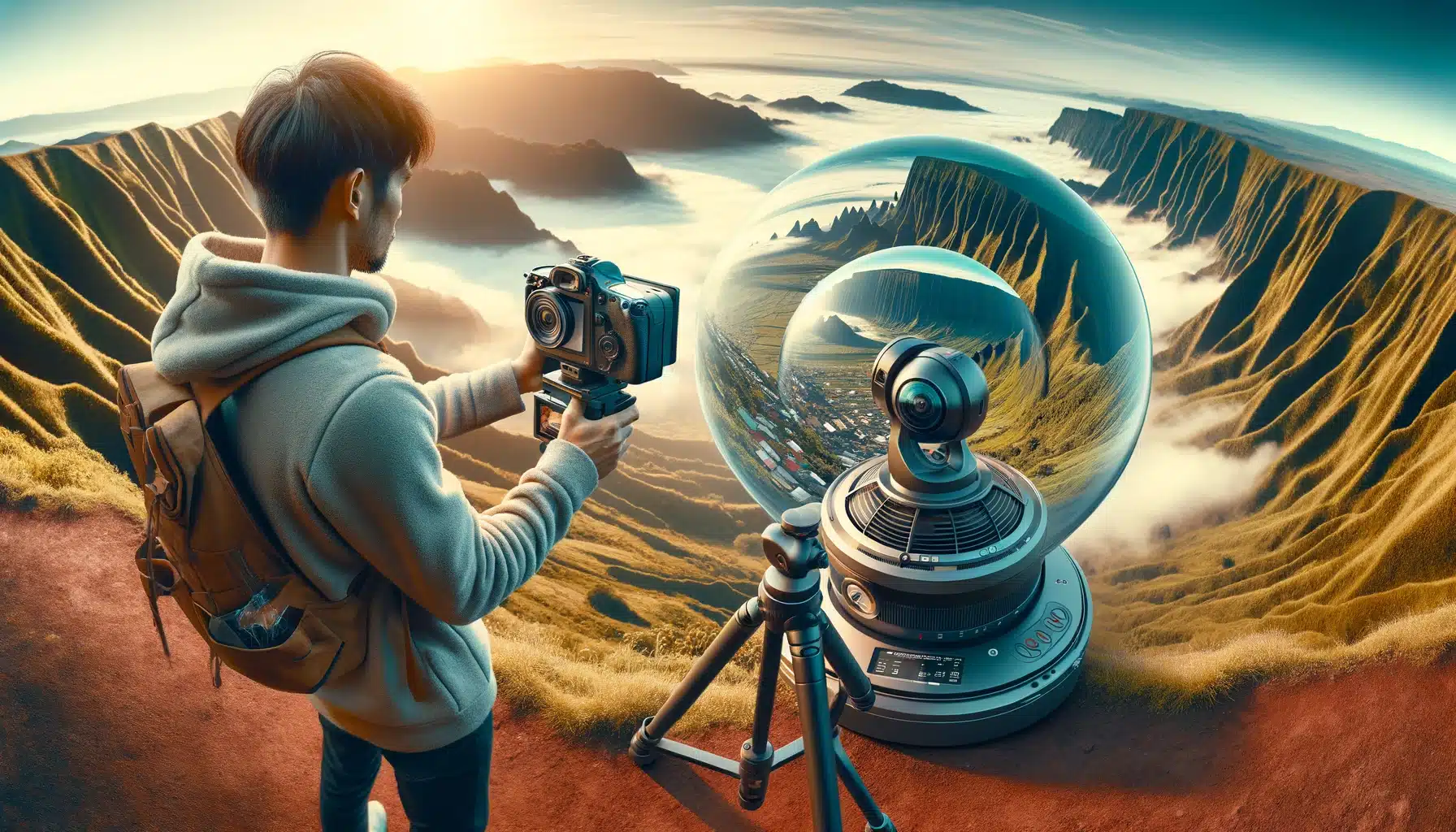
Virtual reality (VR) offers a new frontier for 3D photography. By creating 360-degree stereoscopic images, photographers can transport viewers into a fully immersive environment. This technique is especially effective for travel and adventure photography, where the goal is to provide viewers with a sense of presence in a distant location. With VR, photographers can push the boundaries of storytelling, offering experiences that are both visual and visceral.
Conclusion
3D photography is a dynamic and ever-evolving field that offers limitless possibilities for creativity and expression. By exploring innovative techniques such as anaglyphs, lenticular printing, and stereoscopic photography, photographers can create stunning visuals that captivate and engage. As technology continues to advance, the potential for 3D photography will only grow, offering new opportunities for artists to push the boundaries of their craft. Whether you’re a seasoned professional or an aspiring photographer, embracing 3D techniques can open up a world of possibilities for creating truly stunning visuals.






Post Comment