Mastering Creative Photo Depth for Stunning Visuals
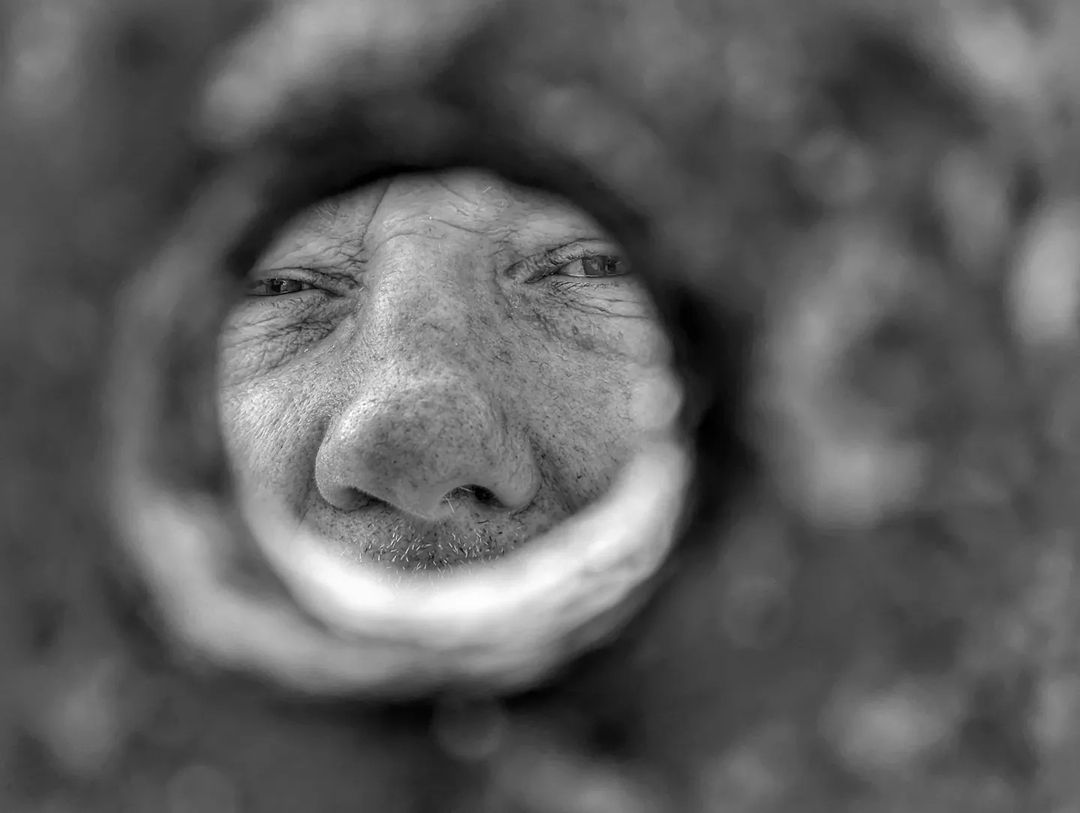
In the realm of creative photography, the concept of depth transcends the mere technicalities of aperture and focal points. It becomes a tool for storytelling, an enabler of emotion, and a conduit for engaging viewers in a more immersive experience. Mastering creative photo depth is a journey into the artistry of perspective, layering, and composition that can transform ordinary scenes into stunning visuals. This article delves into various techniques and principles that photographers can employ to harness the full potential of depth in their work.
Understanding Depth in Photography
Depth in photography refers to the perceived distance between objects within a photo, creating a sense of three-dimensionality. This perception is influenced by several factors, including composition, lighting, and lens choice. By manipulating these elements, photographers can control how depth is perceived and use it to guide the viewer’s eye through the image.
The Role of Aperture
Aperture is one of the primary tools for controlling depth of field, which is the range within a photo that appears acceptably sharp. A shallow depth of field, achieved by using a wide aperture (e.g., f/1.8), can isolate a subject against a blurred background, creating a sense of depth by emphasizing the separation between foreground and background. Conversely, a narrow aperture (e.g., f/16) can bring the entire scene into focus, which is useful for landscapes where depth is conveyed through the sharpness of multiple layers.
Perspective and Focal Length
The choice of lens and focal length significantly impacts the perception of depth. Wide-angle lenses (e.g., 24mm) exaggerate the distance between objects, enhancing the sense of depth and making foreground elements appear larger relative to the background. Telephoto lenses (e.g., 200mm), on the other hand, compress the space, bringing background elements closer to the foreground and reducing the perception of depth. Understanding these effects allows photographers to choose the right lens for their desired outcome.
Techniques for Enhancing Depth
Layering and Overlapping
Layering is a compositional technique that involves arranging elements within a scene to create a sense of depth. By positioning subjects at varying distances from the camera, photographers can create a visual hierarchy that guides the viewer’s gaze from foreground to background. Overlapping subjects also enhance depth by providing visual cues about their relative positions in space.
Leading Lines
Leading lines are powerful compositional tools that draw the viewer’s eye into the frame, often leading to a focal point. Roads, rivers, fences, or even shadows can serve as leading lines, creating a pathway that enhances the perception of depth. By guiding the eye through the image, leading lines help to create a dynamic and engaging visual experience.
Foreground Interest
Incorporating elements of interest in the foreground can anchor a photo and provide a sense of scale and depth. Whether it’s a rock in a landscape shot or a person in a street scene, foreground elements invite viewers into the image and set the stage for exploring the middle and background layers.
Framing
Using natural or artificial frames within an image can enhance depth by creating a sense of enclosure and focus. Archways, windows, trees, or even the arms of a person can act as frames, drawing attention to the main subject and enhancing the spatial relationship between elements in the image.
Lighting and Depth
Lighting plays a crucial role in the perception of depth. The direction, quality, and intensity of light can dramatically alter how depth is perceived in a photo.
Directional Light
Side lighting, where light hits the subject from an angle, can accentuate textures and create shadows that enhance depth. This form of lighting is particularly effective in portraiture and landscape photography, where it adds dimensionality and intrigue to the subjects.
Backlighting and Silhouettes
Backlighting can create silhouettes, which emphasize the shape and form of subjects, while also separating them from the background. This technique can add a dramatic and artistic flair to images, making them visually striking and deep.
Contrast and Shadows
High contrast between light and dark areas can enhance the perception of depth by creating a sense of volume and dimension. Shadows, in particular, can add mystery and complexity to a scene, inviting viewers to explore the depths of the image.
Post-Processing for Depth Enhancement
Post-processing offers photographers additional tools for enhancing depth in their images. Software like Adobe Photoshop and Lightroom provide features that can amplify depth through selective adjustments and creative effects.
Dodge and Burn
Dodge and burn techniques involve selectively lightening or darkening areas of an image to enhance depth and focus. By accentuating highlights and shadows, photographers can guide the viewer’s eye and add a three-dimensional quality to the photo.
Color Grading
Color can also be used to enhance depth. Warm colors tend to advance towards the viewer, while cool colors recede. By manipulating color temperature, photographers can create a sense of depth and atmosphere that aligns with their creative vision.
Sharpening and Clarity
Selective sharpening and clarity adjustments can enhance texture and detail in specific areas of an image, drawing attention to key elements and enhancing the perception of depth. However, it’s important to apply these adjustments with subtlety to avoid unnatural results.
Conclusion
Mastering creative photo depth is a multifaceted endeavor that involves a keen understanding of technical principles and an artistic sensibility. By thoughtfully combining techniques like aperture control, perspective manipulation, and compositional strategies, photographers can create stunning visuals that captivate and engage viewers. As with any art form, practice and experimentation are key to developing a personal style and achieving mastery in conveying depth. With each click of the shutter, photographers have the opportunity to transcend the flatness of the medium and breathe life into their images, inviting viewers to step into the world they’ve captured.












Post Comment