Revolutionizing Design: Top Trends in 3D Visuals

In the rapidly evolving world of digital design, 3D visuals have emerged as a transformative force, redefining the boundaries of creativity and innovation. The integration of 3D technology into various design sectors has not only enriched the visual experience but has also opened up new avenues for storytelling and interaction. This article delves into the top trends in 3D visuals that are revolutionizing the design industry, offering a glimpse into the future of creative possibilities.
The Rise of Realism
One of the most significant trends in 3D visuals is the pursuit of hyper-realism. Designers are leveraging advanced rendering techniques and powerful software to create visuals that are indistinguishable from reality. This trend is particularly prevalent in industries such as architecture, gaming, and film, where the demand for lifelike representations is paramount. The use of ray tracing, global illumination, and physically based rendering (PBR) has significantly enhanced the quality and realism of 3D visuals, allowing for more immersive and engaging experiences.
Interactive and Immersive Experiences
As technology continues to evolve, so does the way we interact with digital content. 3D visuals are increasingly being used to create interactive and immersive experiences, blurring the lines between the digital and physical worlds. Virtual reality (VR) and augmented reality (AR) are at the forefront of this trend, offering users a more engaging way to explore and interact with 3D environments. From virtual tours of real estate properties to interactive product demonstrations, the potential applications of VR and AR are virtually limitless.
Procedural Generation and Automation
The adoption of procedural generation and automation in 3D design is another trend that is gaining momentum. These techniques allow designers to create complex and detailed environments with minimal manual effort. By using algorithms to generate textures, landscapes, and even entire cities, designers can focus more on the creative aspects of their work. This approach not only speeds up the design process but also results in more diverse and dynamic visuals that can adapt to different scenarios.
Sustainability and Eco-Friendly Designs
As the world becomes more environmentally conscious, the design industry is also embracing sustainability. In the realm of 3D visuals, this trend manifests in the form of eco-friendly renderings and simulations. Designers are using 3D technology to create visuals that highlight sustainable practices, such as renewable energy sources, green architecture, and eco-friendly products. By visualizing these concepts in a compelling way, 3D designers are playing a crucial role in promoting awareness and encouraging sustainable practices.
Integration of AI and Machine Learning
Artificial intelligence (AI) and machine learning (ML) are making significant inroads into the field of 3D design. These technologies are being used to optimize workflows, enhance rendering processes, and even generate design elements autonomously. AI-driven tools can analyze and predict user preferences, offering personalized design solutions that cater to individual tastes and requirements. As AI and ML continue to advance, their integration into 3D design promises to unlock new levels of creativity and efficiency.
Stylized and Artistic Renderings
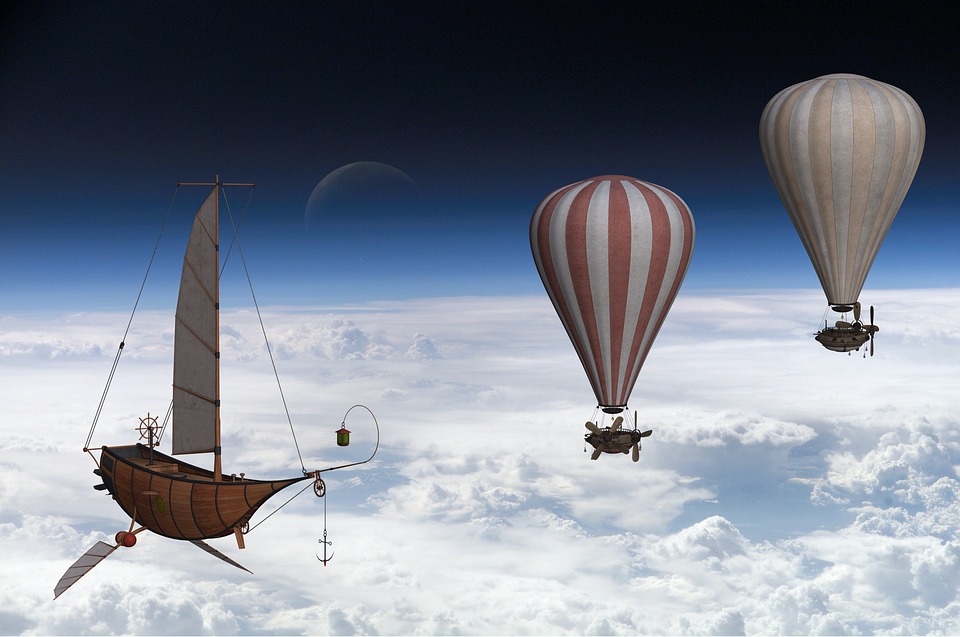
While realism remains a dominant trend, there is also a growing appreciation for stylized and artistic renderings in 3D design. Designers are exploring new artistic directions by incorporating unique styles, textures, and color palettes into their work. This trend is particularly evident in the gaming and entertainment industries, where stylized visuals can create distinctive and memorable experiences. By blending artistic expression with technical prowess, designers are pushing the boundaries of what can be achieved in 3D visuals.
Collaborative and Cloud-Based Platforms
The shift towards remote work and digital collaboration has accelerated the adoption of cloud-based platforms in 3D design. These platforms enable designers to work together seamlessly, regardless of their physical location. By leveraging cloud computing, teams can share resources, access powerful rendering capabilities, and collaborate on projects in real-time. This trend not only enhances productivity but also fosters a more inclusive and diverse design environment, as talent from around the world can contribute to projects without geographical constraints.
Conclusion
The trends in 3D visuals are driving a revolution in the design industry, offering unprecedented opportunities for creativity and innovation. From hyper-realistic renderings to immersive virtual experiences, the future of 3D design is brimming with potential. As technology continues to advance and new tools become available, designers will have more freedom than ever to explore new frontiers and redefine the boundaries of what is possible in the world of 3D visuals. By embracing these trends, the design community can continue to inspire and captivate audiences, shaping the way we perceive and interact with the digital world.









Post Comment