Master Depth Photography: Top Techniques for Stunning 3D Images

3D photography, also known as stereoscopic photography, captures the illusion of depth in an image. By simulating binocular vision, it allows viewers to perceive a scene as if they were physically present. This immersive experience is achieved through clever techniques and technology that manipulate depth perception. Whether you’re a professional photographer or an enthusiast, mastering 3D photography can elevate your visual storytelling to new dimensions.
The Science Behind 3D Photography
At the core of 3D photography is the principle of stereopsis, the process by which the brain combines two slightly different images from each eye to perceive depth. By mimicking this process, 3D photography creates images that offer the viewer a similar depth perception experience. This involves capturing two images from slightly different perspectives and merging them to create a stereoscopic effect.
Top Techniques for Stunning 3D Images
Understanding and applying the right techniques is essential for creating compelling 3D images. Here are some of the top techniques photographers use to master depth photography:
Stereoscopic Pairing
One of the fundamental techniques in 3D photography is stereoscopic pairing. This involves capturing two images from slightly different angles, similar to the spacing between human eyes. This can be done using a dual-lens camera or by moving a single camera to two positions. The key is to maintain the correct distance between the shots, typically a few inches apart, to ensure the parallax effect that creates depth.
Anaglyph 3D
Anaglyph 3D is a classic method to create 3D images. It involves overlaying two colored images, typically red and cyan, that are viewed through corresponding colored glasses. This technique separates the image channels so that each eye sees a different image, creating a stereoscopic effect. While it may seem old-fashioned, anaglyph 3D is a cost-effective way to introduce viewers to 3D photography.
Polarized 3D
Polarized 3D is a more advanced technique that uses polarized light to separate the images. This method requires special glasses and a projection system to align each image with a specific polarization angle. It’s commonly used in movie theaters and offers a more natural color perception compared to anaglyph 3D. For photographers, polarized filters can be used to create similar effects in still images.
Cross-Eyed Viewing
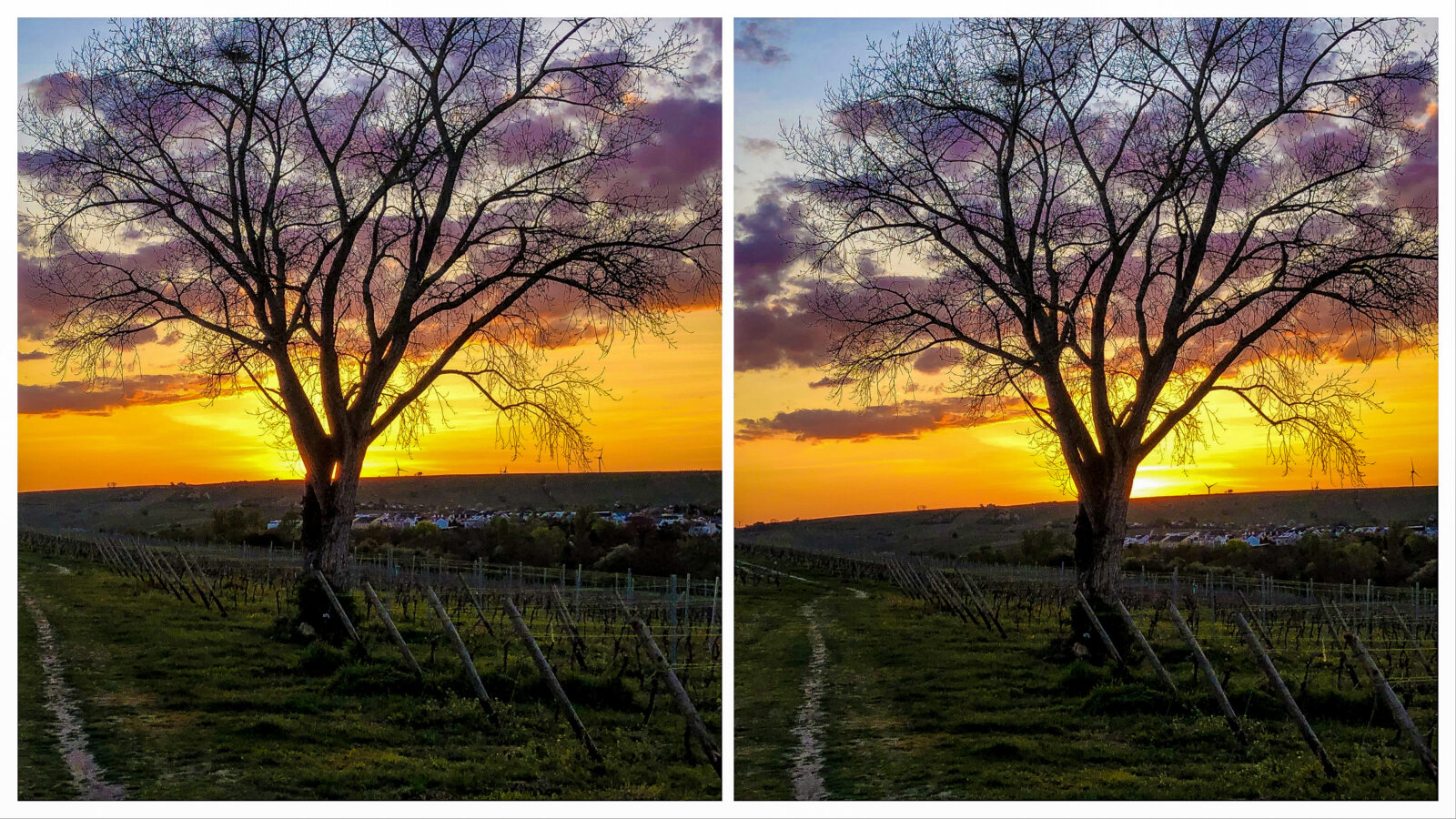
Cross-eyed viewing is a technique that doesn’t require any special equipment. It involves looking at two side-by-side images with a cross-eyed gaze until they merge into a single 3D image. This method is particularly popular for online 3D image sharing and allows viewers to experience depth without any additional tools.
3D Lenticular Printing
Lenticular printing is a method of creating printed images with an illusion of depth or motion. This technique uses lenticular lenses to display different images at different angles, allowing the viewer to perceive depth as they change their viewing angle. It’s an excellent way to bring 3D photography to physical prints, making it a popular choice for posters and postcards.
Tools and Equipment for 3D Photography
To successfully capture 3D images, photographers must equip themselves with the right tools. Here are some essential equipment and tools for 3D photography:
Stereo Cameras
Stereo cameras come with dual lenses designed to capture images from two perspectives simultaneously. They are ideal for photographers looking to streamline the 3D photography process. Some modern cameras also offer built-in 3D capabilities, simplifying the workflow.
3D Rigs and Mounts
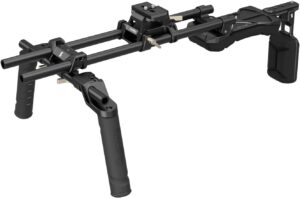
For photographers using single-lens cameras, 3D rigs and mounts can help achieve the necessary stereoscopic effect. These mounts allow precise control over the camera positioning and distance between shots, ensuring consistent results.
3D Software
Post-processing plays a crucial role in 3D photography. Software like Adobe Photoshop and specialized 3D editing tools can help merge, align, and enhance the stereoscopic images. They offer features to adjust parallax, correct alignment, and fine-tune colors for an optimal 3D effect.
Tips for Capturing Perfect 3D Images
Mastering 3D photography requires practice and attention to detail. Here are some tips to help you capture stunning 3D images:
Choose the Right Subject
Not all subjects are suitable for 3D photography. Opt for scenes with distinct foreground, middle ground, and background elements to maximize the depth effect. Landscapes, architecture, and still life are excellent choices.
Mind the Composition
Composition is critical in 3D photography. Pay attention to the placement of objects within the frame to enhance the sense of depth. Leading lines, framing, and perspective can all contribute to a more immersive image.
Control the Lighting
Lighting plays a significant role in creating depth. Ensure that shadows and highlights are well-defined to add dimension to the scene. Soft, diffused lighting can help avoid harsh contrasts that may disrupt the 3D effect.
Experiment with Different Angles
Experimentation is key to finding the perfect angle for your 3D shots. Try different distances and angles between the two shots to see how they affect the overall depth and viewer experience.
Challenges in 3D Photography
While 3D photography offers exciting opportunities, it also presents unique challenges:
Alignment and Parallax Errors
Misalignment between the two images can result in parallax errors, leading to discomfort or a distorted 3D effect. Careful calibration and alignment are crucial to avoid these issues.
Viewer Accessibility
Ensuring that your audience can experience the 3D effect may require providing specialized glasses or using compatible displays. This can limit how and where your images are shared.
Conclusion: Elevate Your Photography with 3D
3D photography is an art that combines technical skill with creative vision. By mastering the techniques and understanding the science behind stereoscopic imagery, photographers can unlock new ways to engage and captivate their audience. As technology continues to evolve, 3D photography offers endless possibilities for those willing to explore its depths.








Post Comment