Master 3D Photography: Ultimate Beginner’s Guide
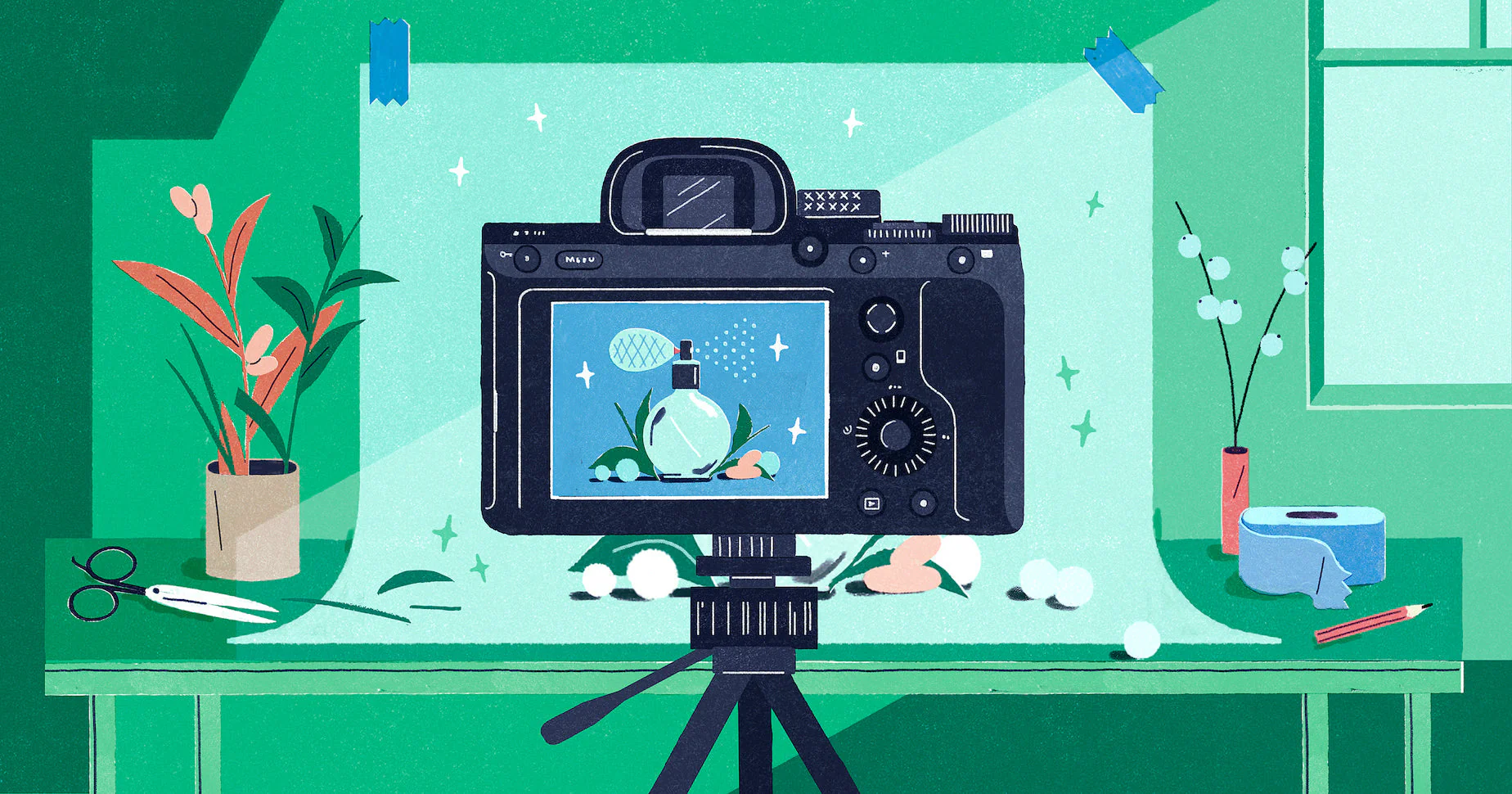
Photography has long been a medium through which we capture moments, emotions, and perspectives. Yet, as technology progresses, so does the way we capture and perceive images. Enter 3D photography, a technique that brings depth and life to images, allowing viewers to experience scenes as if they were standing right there. For beginners, delving into 3D photography might seem daunting, but with the right guidance and understanding of basic principles, anyone can master this art form.
Understanding the Basics of 3D Photography
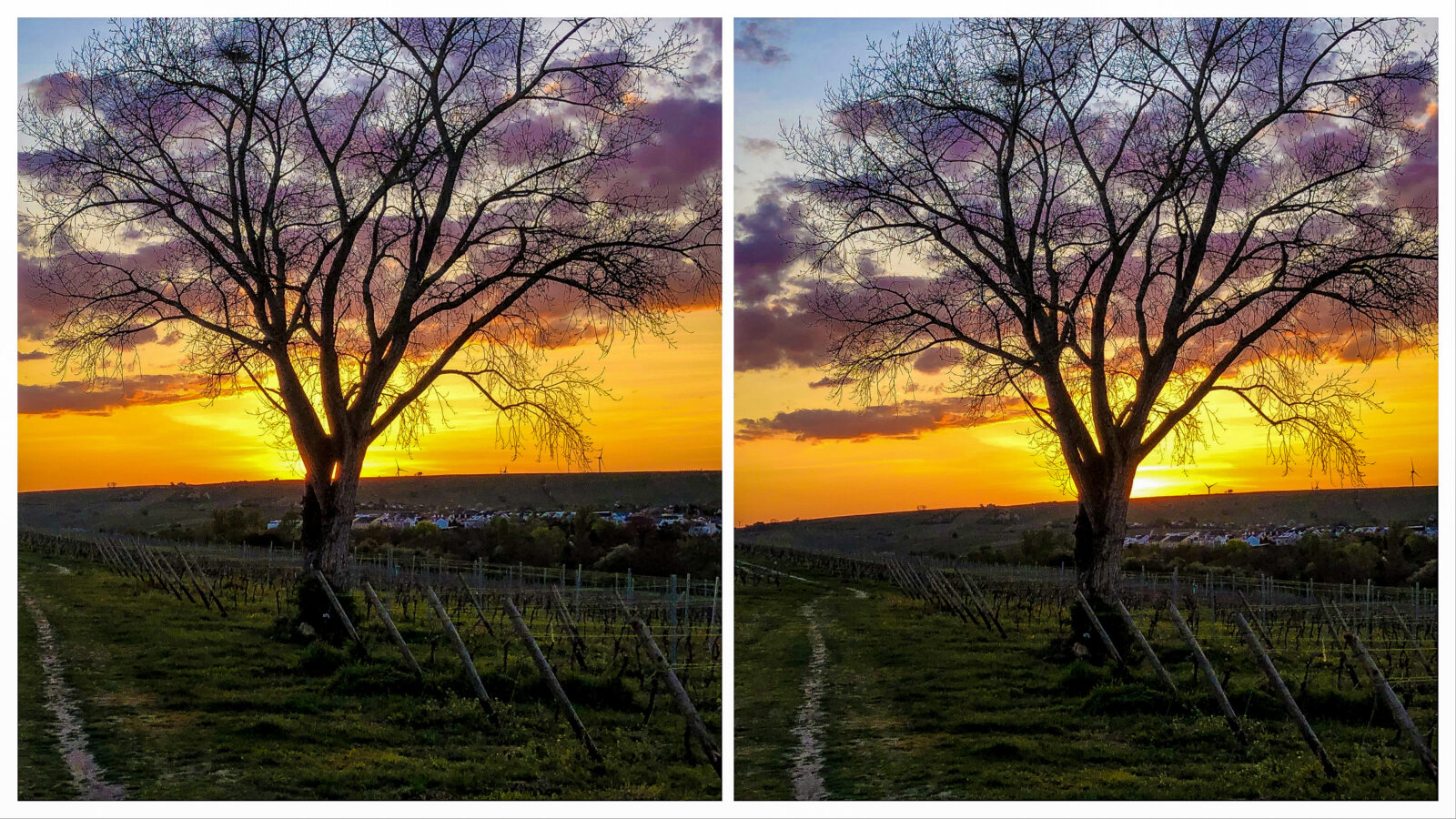
3D photography involves creating images that simulate a three-dimensional effect, providing the illusion of depth. This is achieved by capturing two images from slightly different angles, mimicking the perspective of human binocular vision. When these images are combined, the brain perceives depth, giving the photograph a 3D effect.
How 3D Photography Works
The key to 3D photography lies in stereoscopy, which refers to capturing two images from different viewpoints. These images are then aligned and combined to create a single 3D image. The separation between the two viewpoints is known as the interocular distance, typically mimicking the distance between human eyes, which is about 65mm.
Equipment Needed
To start with 3D photography, you’ll need some basic equipment. Here’s what you should consider:
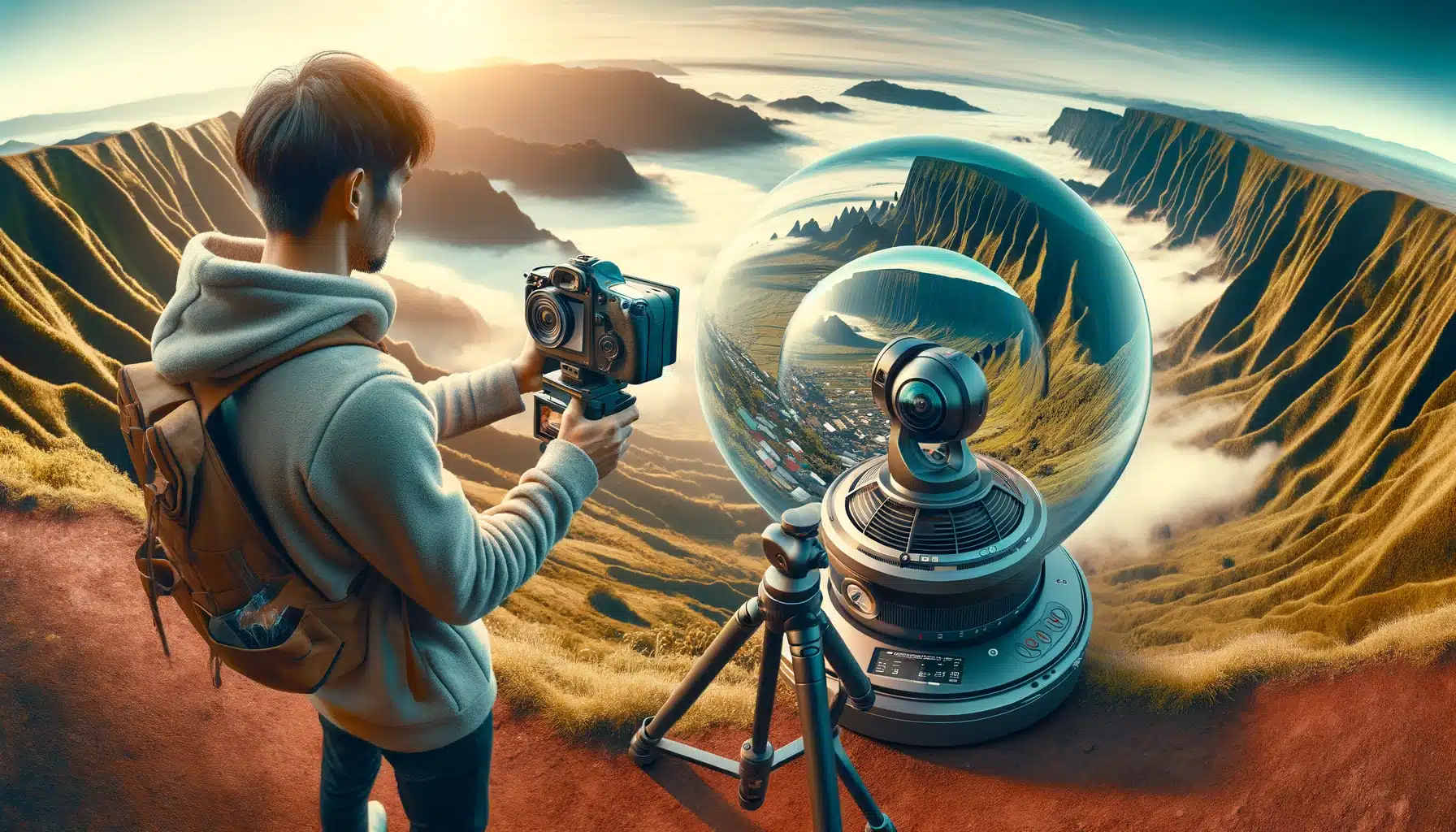
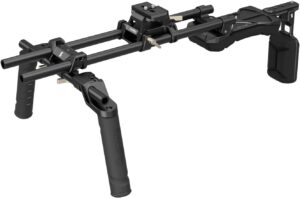
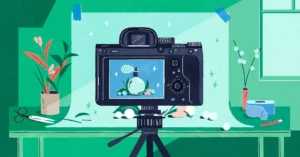
1. **3D Camera or Rig**: A dedicated 3D camera or a dual-camera rig that allows you to capture two images simultaneously is ideal. Some DSLRs can be used with special mounts or rigs to achieve this.
2. **Tripod**: Stability is crucial to ensure that both images align properly. A tripod helps maintain consistent positioning between shots.
3. **3D Glasses or VR Headset**: To view and appreciate the 3D effect, you’ll need a way to visualize the depth, such as anaglyph glasses or a VR headset.
4. **Software**: Post-processing software that can align and combine images is essential. Tools like Adobe Photoshop or dedicated 3D software can be used for this purpose.
Step-by-Step Guide to Capturing 3D Photographs
Choosing the Right Subject
Not every subject is suitable for 3D photography. Ideal subjects have distinct layers of depth, such as landscapes, architecture, or still life arrangements. Avoid flat or overly complex scenes where depth distinction might get lost.
Setting Up Your Equipment
1. **Mount Your Camera**: If using a dual-camera rig, ensure both cameras are properly aligned. If using a single camera, you’ll need to take two shots and move the camera slightly between them.
2. **Adjust Settings**: Use manual settings to ensure exposure and focus remain consistent between shots. A small aperture will increase the depth of field, enhancing the 3D effect.
Capturing the Images
1. **First Shot**: Take the first image from the left perspective.
2. **Second Shot**: Move the camera to the right by the interocular distance (approximately 65mm), and take the second shot.
Post-Processing
1. **Aligning the Images**: Use software to align the two images. This involves adjusting for any misalignment or rotation between the shots.
2. **Combining for 3D Effect**: The left image is generally used for the red channel, and the right image for the cyan channel in anaglyph 3D processing. This combination creates the necessary disparity for a 3D effect.
3. **Final Adjustments**: Adjust brightness, contrast, and sharpness. Ensure the images are perfectly synced to avoid discomfort during viewing.
Viewing and Sharing 3D Photographs
Once your 3D images are ready, there are several ways to view and share them:
Anaglyph Glasses
These are the simplest way to view 3D images. The red-cyan glasses filter the respective channels to each eye, creating the illusion of depth.
3D Monitors and TVs
Many modern displays support 3D viewing, allowing you to enjoy your photographs in full depth without additional glasses.
Virtual Reality
For an immersive experience, VR headsets can display 3D images, letting viewers explore them in a virtual space.
Tips and Tricks for Better 3D Photography
Practice with Depth
Experiment with different subjects and distances to understand how depth affects the 3D effect. Practice will help you intuitively grasp the right interocular distances and subject choices.
Lighting Considerations
Consistent lighting across both images is crucial for a seamless 3D effect. Avoid harsh shadows and reflections that can disrupt the depth illusion.
Experiment with Angles
Try different angles and perspectives to find what best enhances the 3D effect. Sometimes a slight change in position can significantly improve depth perception.
Keep Learning
Technology and techniques in 3D photography are continuously evolving. Stay updated with the latest trends, tools, and tutorials to refine your skills.
Advanced Techniques in 3D Photography
Once comfortable with the basics, you can explore advanced techniques to further enhance your 3D photography.
Focus Stacking
This involves taking multiple images at different focus distances and combining them to increase depth of field, providing a sharper 3D image.
Time-Lapse 3D
Combine the principles of time-lapse photography with 3D to create dynamic and engaging visual content. This requires precise synchronization and careful planning.
Macro 3D Photography
Capturing small subjects in 3D poses unique challenges. Use macro lenses and adjust the interocular distance based on the scale of the subject.
Conclusion
3D photography offers a captivating way to capture and view the world, transforming ordinary images into immersive experiences. While the initial learning curve can be steep, the rewards of mastering this technique are immense. With practice, patience, and an understanding of the fundamental principles, anyone can become proficient in 3D photography. Embrace the journey, experiment with new techniques, and most importantly, enjoy the process of bringing your images to life.





Post Comment