Unlock Stunning 3D Photography: Top Shooting Tips
3D Photography
3D photography, also known as stereoscopic photography, captures images in a way that simulates human binocular vision, allowing viewers to perceive depth and dimensionality. This technique provides a more immersive viewing experience and can be applied in various fields, from art to virtual reality. In this article, we will explore essential tips and techniques to unlock the full potential of 3D photography, helping you create stunning and lifelike images.
Understanding the Basics of 3D Photography
Before diving into shooting tips, it’s crucial to understand the fundamentals of 3D photography. At its core, this technique involves capturing two slightly offset images that, when viewed together, create the illusion of depth. This is akin to how our eyes work, with each eye capturing a slightly different perspective, which our brain merges into a single three-dimensional image.
To achieve this effect in photography, you can use either a 3D camera with dual lenses or a regular camera with post-processing software to simulate the dual-lens effect. The choice depends on your preferences and the resources available to you.
Choosing the Right Equipment
3D Cameras
Investing in a dedicated 3D camera can significantly enhance the quality of your 3D photographs. These cameras come equipped with two lenses that mimic the distance between human eyes, capturing images simultaneously for a true stereoscopic effect. Popular models include the Fujifilm FinePix Real 3D W3 and the Panasonic Lumix 3D1.
Single-Lens Cameras
If you prefer to use a single-lens camera, you can still create 3D images through techniques such as the “cha-cha” method, where you take two photos from slightly different angles. Additionally, specialized software like Adobe Photoshop, StereoPhoto Maker, or 3D modeling programs can assist in aligning and merging these images to produce a stereoscopic effect.
Mastering Shooting Techniques
Focus on Composition
Composition plays a vital role in 3D photography. Ensure there is a clear distinction between the foreground, middle ground, and background to enhance the depth effect. Look for elements that naturally guide the viewer’s eye through the image, such as leading lines or contrasting textures.
Mind the Distance
The distance between your camera lenses (or the two positions in the “cha-cha” method) affects the degree of depth in the final image. For close-up subjects, a smaller inter-lens distance is recommended, while for landscapes or distant views, a wider separation can enhance the 3D effect. Experiment with different distances to find the optimal setup for your specific scene.
Stability and Alignment
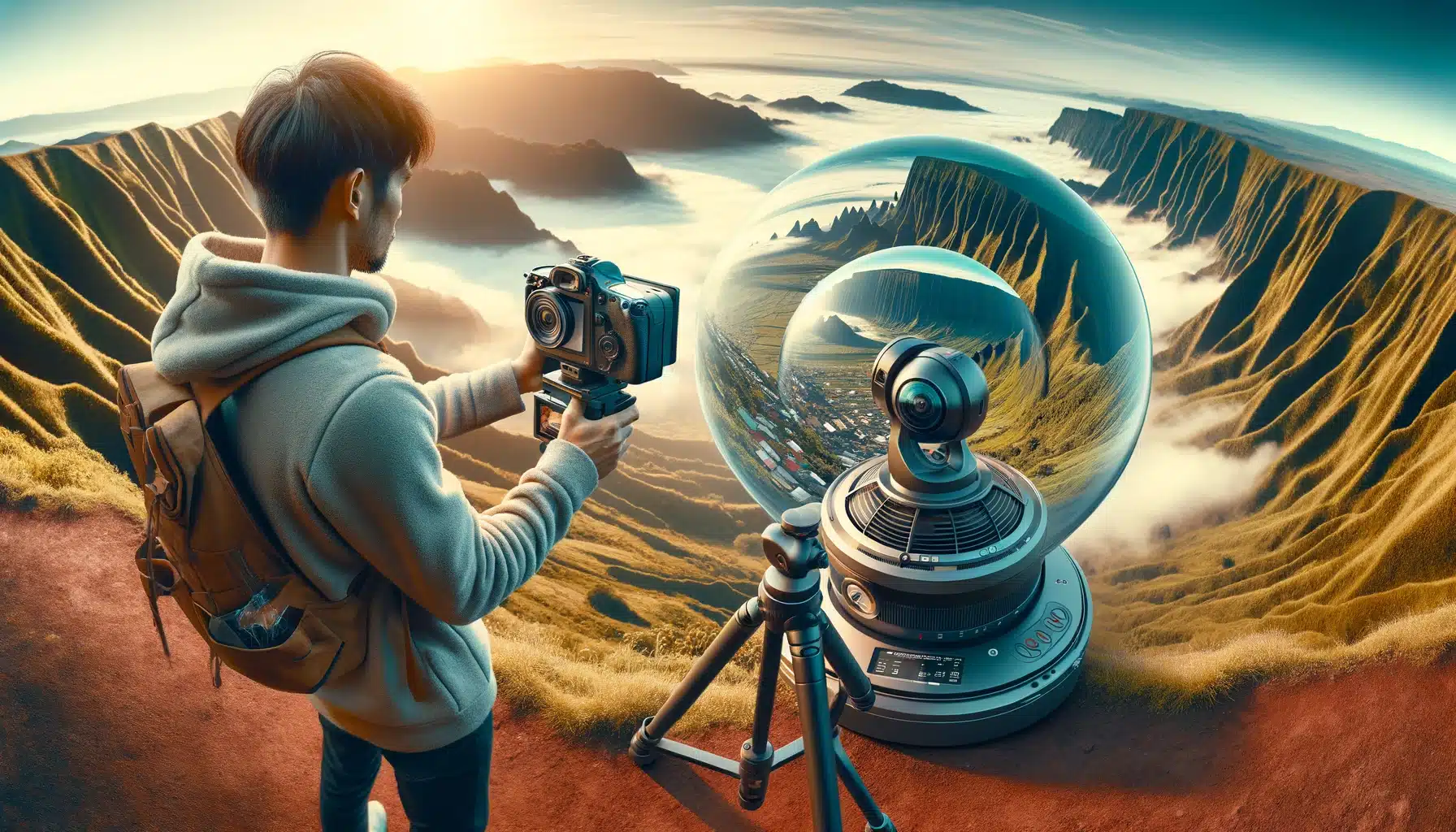
Maintaining stability and proper alignment is crucial when capturing 3D images. Use a tripod to prevent camera movement, which can lead to misalignment and ghosting in the final image. Additionally, ensure that your camera is level and that both images are aligned horizontally to avoid viewer discomfort.
Utilizing Lighting to Enhance Depth
Lighting is a powerful tool in photography, and in 3D photography, it can be used to accentuate depth and dimension. Side lighting, for instance, can create shadows that enhance texture and depth, making your 3D images more immersive. Experiment with different lighting setups and natural lighting conditions to find the best effect for your scene.
Post-Processing for 3D Photography
Post-processing is an integral part of creating stunning 3D images. Use software to adjust the alignment, contrast, and color balance of your images. StereoPhoto Maker is a popular choice for aligning and optimizing stereoscopic images. Additionally, consider experimenting with anaglyphs or polarized images, which can be viewed with special glasses for a more profound 3D effect.
Exploring Creative Applications
3D photography opens up a world of creative possibilities. From creating virtual reality environments to producing striking art pieces, the potential is vast. You can also explore creating 3D photo slideshows or integrating your 3D images into interactive media. The only limit is your imagination.
Conclusion: Embrace the Challenge
Mastering 3D photography requires practice, patience, and experimentation. By understanding the basic principles, choosing the right equipment, and employing effective shooting and post-processing techniques, you can unlock the potential of 3D photography and create stunning, immersive images. Embrace the challenge and let your creativity guide you in exploring this captivating medium.
#ChatGPT assisted in the creation of this article.







Post Comment