Mastering 3D Photography: Essential Camera Settings Guide
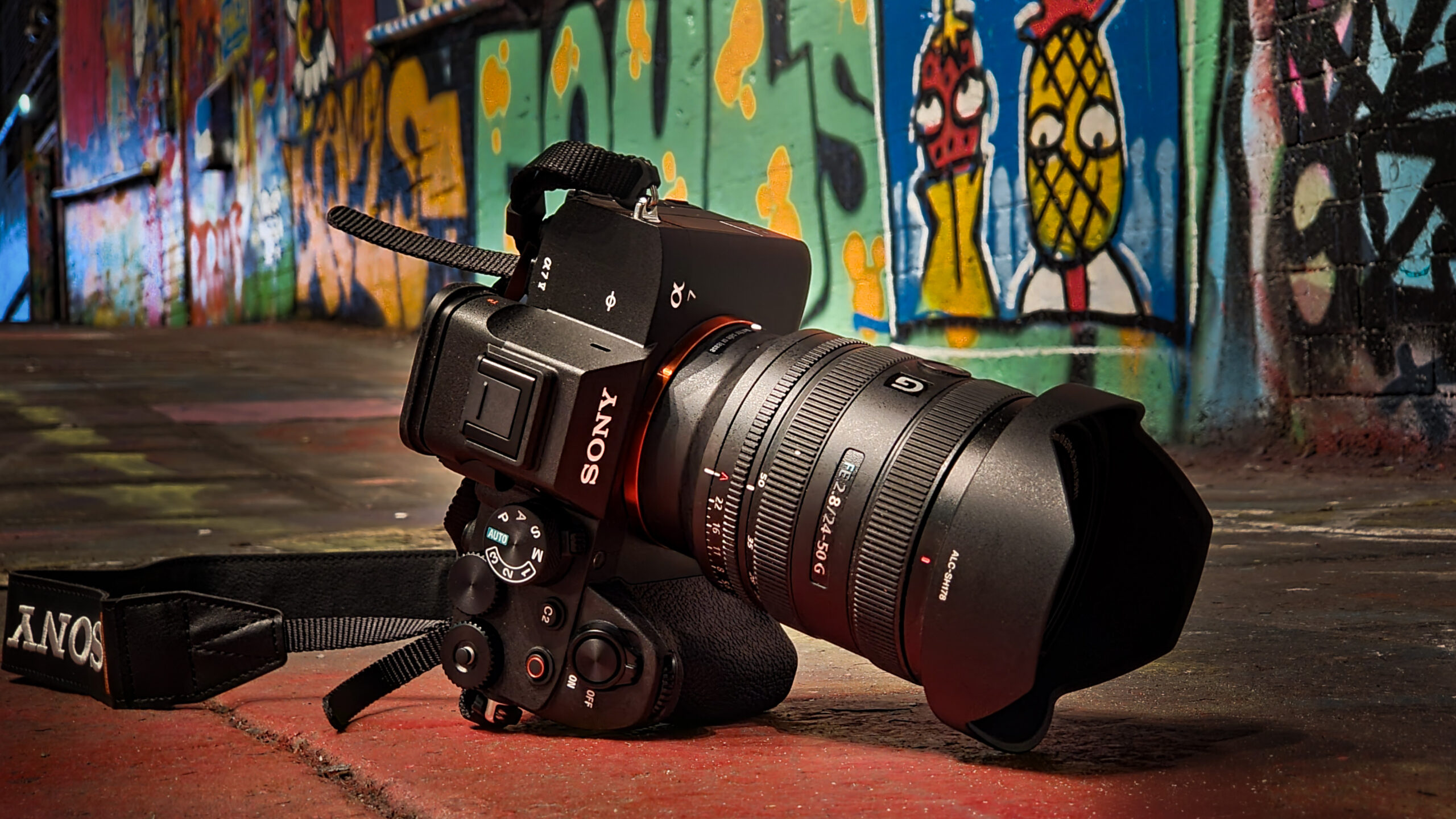
3D Photography
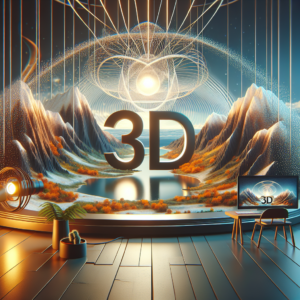
Three-dimensional (3D) photography is an innovative art form that transcends the limitations of traditional photography by adding depth to images. This technique allows photographers to capture scenes that mimic the way human eyes perceive the world, with dimensionality and spatial context. Mastering 3D photography requires an understanding of specialized techniques and camera settings that can transform a flat image into a vivid, lifelike experience.
Understanding the Basics of 3D Photography
3D photography involves capturing two slightly different images, which are then combined to create a stereoscopic effect. This effect gives viewers a perception of depth. To achieve this, photographers often use a specialized 3D camera or a dual-lens setup. However, even with a basic understanding of 3D photography, achieving the desired effect largely depends on mastering essential camera settings.
The Importance of Camera Settings
Camera settings are crucial in determining the quality and effectiveness of 3D photographs. Adjusting the right settings allows photographers to control light, focus, depth of field, and other factors that contribute to the 3D effect. These settings can vary depending on the camera model or the specific requirements of the shoot, but some universal principles apply to all 3D photography.
Essential Camera Settings for 3D Photography
Stereo Base and Convergence
One of the foundational settings in 3D photography is the stereo base, which refers to the distance between the two lenses or the two shots if a single camera is used. This distance should mimic the average distance between human eyes, typically around 65mm. Adjusting the stereo base affects the perceived depth of the image; a wider stereo base increases depth, while a narrower base decreases it.
Convergence is another critical setting, which involves angling the lenses towards each other to focus on a specific point in the scene. This setting helps in aligning the two images correctly, ensuring that the 3D effect is comfortable to view.
Aperture and Depth of Field
Aperture, measured in f-stops, controls the amount of light entering the camera and affects the depth of field. In 3D photography, a smaller aperture (higher f-stop number) is often preferred to increase the depth of field, ensuring that more of the scene is in focus. This helps retain detail across the entire depth of the image, enhancing the 3D effect.
Shutter Speed
Shutter speed determines how long the camera’s sensor is exposed to light. While a fast shutter speed can freeze motion and prevent blurring, a slower shutter speed can create motion blur, which might be undesirable in 3D photography as it can disrupt the illusion of depth. Striking the right balance is essential, and photographers often use a tripod to stabilize the camera for sharper images.
ISO Sensitivity
ISO sensitivity affects the camera’s responsiveness to light. Higher ISO settings can increase noise in the image, which might be detrimental to the clarity required for effective 3D photography. Therefore, it is advisable to use the lowest ISO setting possible, given the lighting conditions, to maintain image quality.
White Balance
Correct white balance ensures that colors in the image are accurate and true to life. In 3D photography, mismatched colors between the two images can cause discomfort for viewers. Setting a custom white balance or using a preset that matches the lighting conditions can help achieve consistent and natural colors in 3D photographs.
Focus and Autofocus Modes
Achieving precise focus is critical in 3D photography to maintain the illusion of depth. Many cameras offer various autofocus modes, such as single-point, dynamic, and continuous autofocus. For 3D photography, single-point autofocus is often preferred for its precision. Manual focus can also be used for greater control, especially in complex scenes.
Advanced Techniques for 3D Photography
Using Polarized Filters
Polarized filters can help reduce glare and enhance colors, making them useful in 3D photography. These filters can be particularly beneficial when shooting in bright sunlight or reflective environments, such as water bodies or metallic surfaces.
Lighting Considerations
Lighting plays a significant role in creating depth and dimension in 3D photography. Using natural light effectively or incorporating additional lighting sources can help highlight textures and contours, enhancing the 3D effect. Photographers should experiment with different lighting angles and intensities to find the most flattering setup.
Post-Processing for 3D Photography
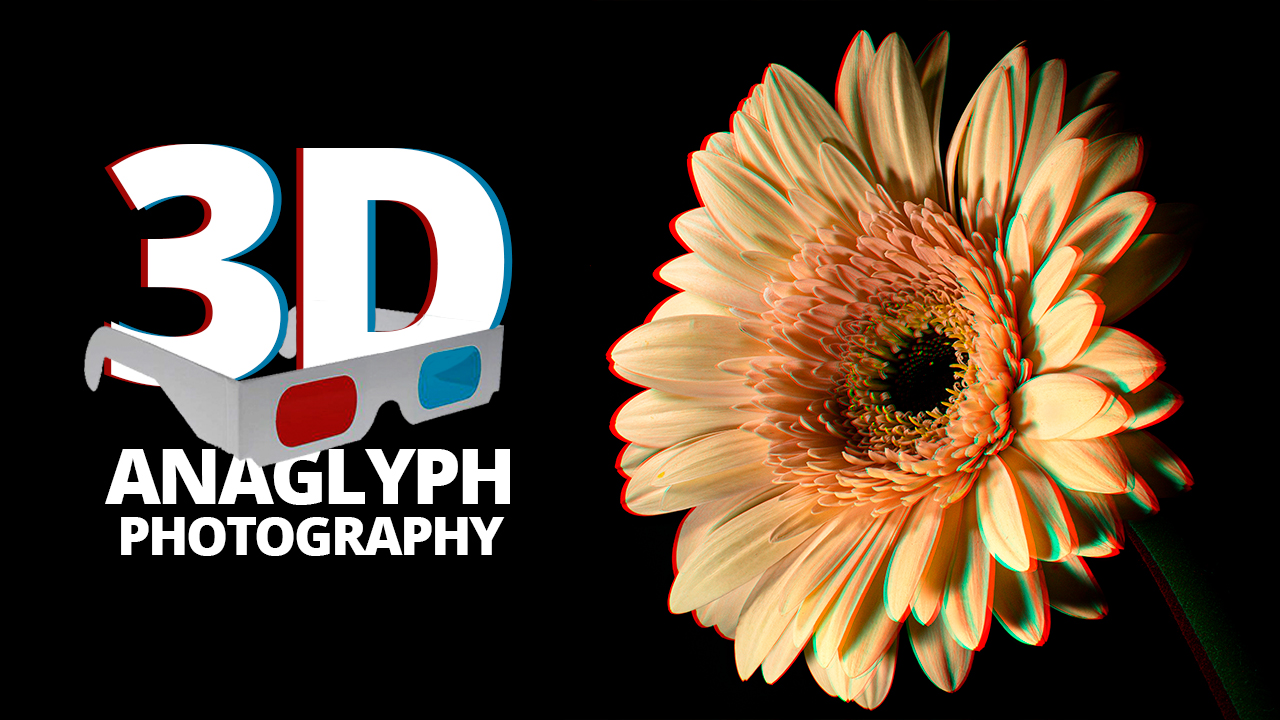
Post-processing is an essential step in 3D photography, allowing photographers to fine-tune images and enhance the 3D effect. Software tools can be used to adjust contrast, brightness, and sharpness, as well as to align and merge the two images. Techniques like anaglyph creation, where images are overlaid with red and cyan filters, can also be applied in post-processing to create 3D visuals.
Common Challenges and How to Overcome Them
Aligning Images
One common challenge in 3D photography is aligning the two images perfectly. Misalignment can cause double images or discomfort for viewers. Photographers can use image editing software to manually adjust and align images post-capture.
Managing Parallax
Parallax is the apparent shift in position of an object when viewed from different angles. While parallax creates the 3D effect, excessive parallax can lead to distortion. Managing stereo base and convergence settings can help control parallax effectively.
Avoiding Ghosting
Ghosting occurs when the images for the left and right eyes do not match perfectly, often due to lighting or motion differences. To avoid ghosting, ensure consistent lighting and minimize movement between shots if using a single camera technique.
Conclusion
Mastering 3D photography is a rewarding endeavor that requires attention to detail and a solid understanding of camera settings. By adjusting stereo base, convergence, aperture, shutter speed, ISO, white balance, and focus, photographers can capture stunning 3D images that bring scenes to life. With practice and experimentation, these techniques can be refined to produce breathtaking visuals that captivate audiences and push the boundaries of traditional photography.
#ChatGPT assisted in the creation of this article.





Post Comment