Ultimate Guide to Top-Rated Professional 3D Cameras
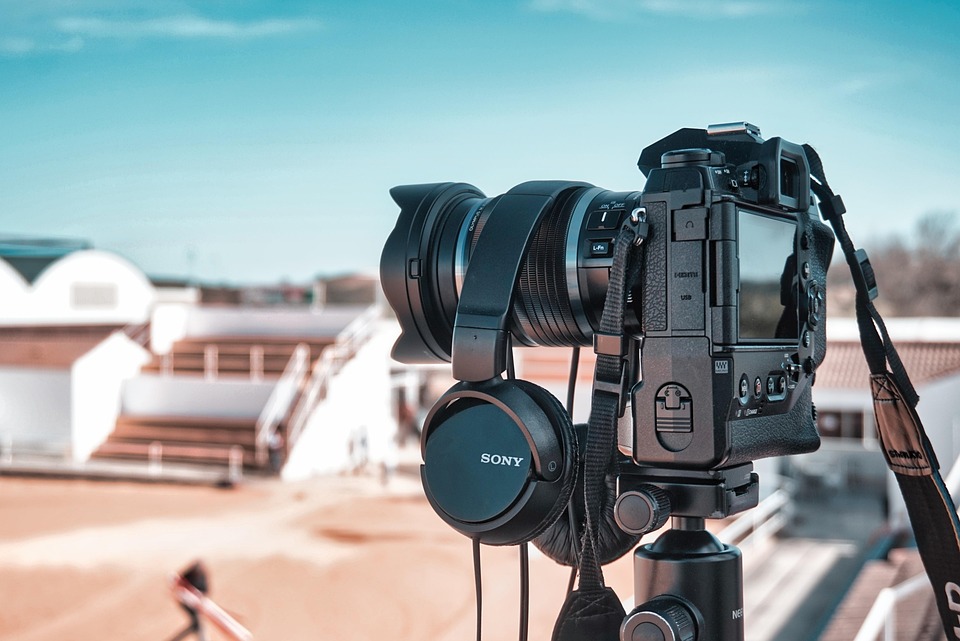
In the ever-evolving world of visual technology, 3D cameras have emerged as a groundbreaking tool for professionals across various industries. From filmmaking to architecture, these devices offer a new dimension of creativity and technical capability. This guide aims to provide a comprehensive overview of the top-rated professional 3D cameras, delving into their features, applications, and what makes them stand out among the competition.
Understanding 3D Cameras
Before diving into the specific models, it’s essential to understand what makes a 3D camera different from its traditional counterparts. Unlike standard cameras that capture images in two dimensions, 3D cameras record depth information alongside the usual height and width, creating a three-dimensional image. This capability is achieved through various technologies, such as stereoscopic imaging, time-of-flight sensors, or structured light. Each technology has its advantages, making certain cameras more suitable for specific tasks.
Applications of 3D Cameras
3D cameras are utilized in numerous fields, and their applications continue to expand. Here are some key areas where 3D cameras make a significant impact:
- Film and Entertainment: From CGI effects to immersive VR experiences, 3D cameras allow filmmakers to create more engaging and realistic content.
- Architecture and Engineering: 3D cameras enable accurate modeling of structures and environments, aiding in design, planning, and visualization.
- Medical Imaging: These cameras are used for detailed scans and models, enhancing diagnosis and surgical planning.
- Gaming: 3D technology is crucial for creating lifelike environments and characters in video games.
- Virtual Tours and Real Estate: Real estate agents and marketers use 3D cameras to offer virtual property tours, providing potential buyers with a realistic view of spaces.
Top-Rated Professional 3D Cameras
1. Artec Eva
The Artec Eva is renowned for its speed and precision in capturing medium-sized objects. It’s a handheld 3D scanner that uses structured light technology to capture high-resolution textures and geometry. With a lightweight design, it is incredibly user-friendly, making it a favorite among professionals in industries such as healthcare, manufacturing, and heritage preservation.
2. Faro Focus S350
Ideal for large-scale projects, the Faro Focus S350 is a laser scanner known for its accuracy and range. It captures intricate details with minimal noise, making it perfect for surveying, construction, and forensic analysis. Its portability and rugged design enable it to perform well in challenging environments.
3. Canon EOS R5
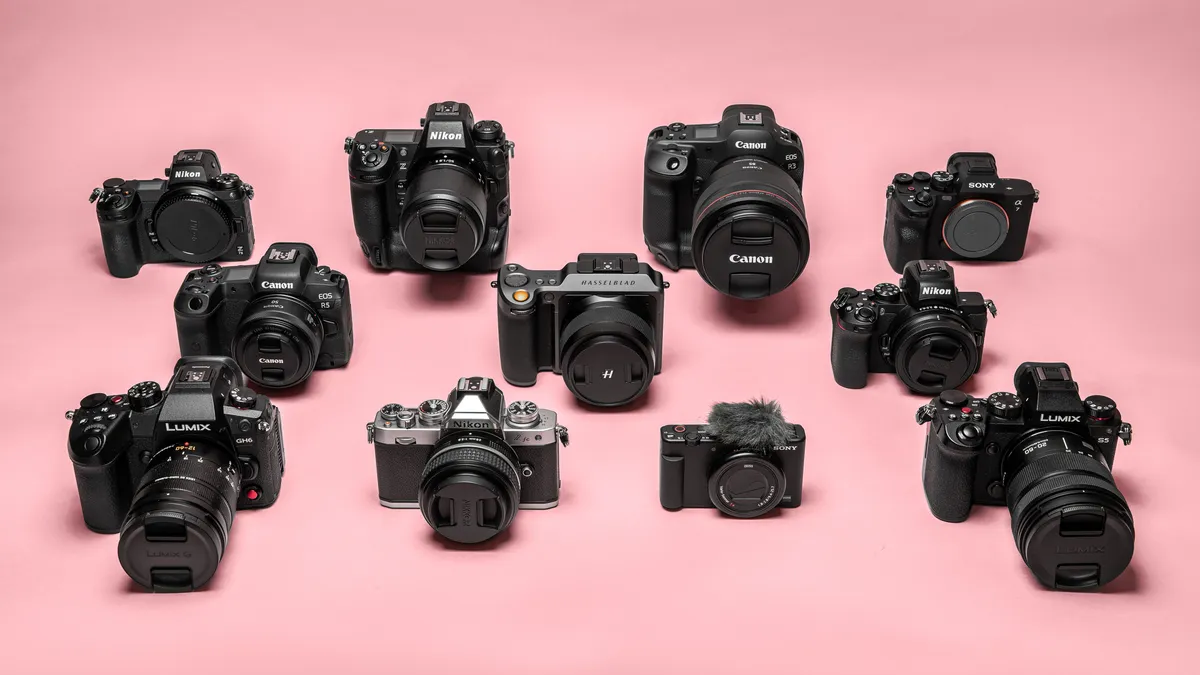
While primarily a traditional camera, the Canon EOS R5 features advanced 3D capabilities, including dual-pixel autofocus and excellent low-light performance. Its high-resolution image and video quality make it a versatile choice for professionals seeking a camera that can handle both 2D and 3D projects.
4. Matterport Pro2
The Matterport Pro2 is a leader in 3D virtual tours, particularly in the real estate and hospitality sectors. It uses infrared sensors to capture detailed spatial data, producing high-resolution 3D models and 4K photography. Its integration with Matterport’s platform allows for easy sharing and viewing of virtual tours.
5. Sony a7R IV
Known for its exceptional resolution, the Sony a7R IV is a mirrorless camera that excels in capturing detailed 3D imagery. Its full-frame sensor and advanced autofocus system cater to professionals in fashion, portrait, and landscape photography. The camera’s pixel shift multi-shooting mode allows for even greater detail capture in static scenes.
Key Features to Consider
When choosing a professional 3D camera, several features must be considered to ensure it meets the specific needs of your projects:
- Resolution: Higher resolution cameras provide more detail, essential for applications requiring precision.
- Range: Consider the range of the camera, especially if you need to capture large environments or distant objects.
- Portability: Depending on your work environment, a lightweight and portable camera might be necessary.
- Ease of Use: User-friendly interfaces and software can significantly impact workflow efficiency.
- Software Integration: Ensure the camera’s software can integrate with your existing systems and workflows.
Choosing the Right 3D Camera for Your Needs
Selecting the right 3D camera depends on your specific requirements and the nature of your projects. For instance, if you’re working in real estate, a camera like the Matterport Pro2, designed for virtual tours, would be ideal. Conversely, for detailed object scanning, the Artec Eva offers precision and ease of use. Always consider the camera’s compatibility with your existing technology stack and its ability to scale with future advancements.
Future Trends in 3D Camera Technology
As technology progresses, 3D cameras continue to evolve, offering more advanced features and capabilities. Here are some trends to watch for in the coming years:
- AI Integration: Artificial intelligence is being integrated into 3D cameras to enhance image processing and automate workflows.
- Improved Portability: Advances in miniaturization are making 3D cameras more compact and easier to transport.
- Higher Resolution and Speed: Continuous improvements in sensor technology are leading to cameras that can capture images with greater detail and at faster speeds.
- Increased Accessibility: As costs decrease, 3D cameras are becoming more accessible to smaller businesses and individual creators.
- Enhanced Connectivity: Future 3D cameras will likely offer improved connectivity options, allowing for seamless integration with cloud services and remote collaboration tools.
Conclusion
The world of 3D cameras is vast and continuously expanding, offering professionals in various fields unprecedented opportunities to enhance their work. Whether you’re in filmmaking, architecture, or any other industry that can benefit from 3D imaging, understanding the capabilities and features of top-rated professional 3D cameras is crucial. By considering your specific needs and staying informed about technological advancements, you can select the right tools to bring your creative and technical visions to life.
Ultimately, investing in a high-quality 3D camera will not only elevate your projects but also prepare you for the future of visual technology. As 3D cameras become more integral to professional workflows, having the right equipment will ensure you remain at the forefront of your industry.








Post Comment