Mastering Immersive Photo Art: Transform Your Visuals
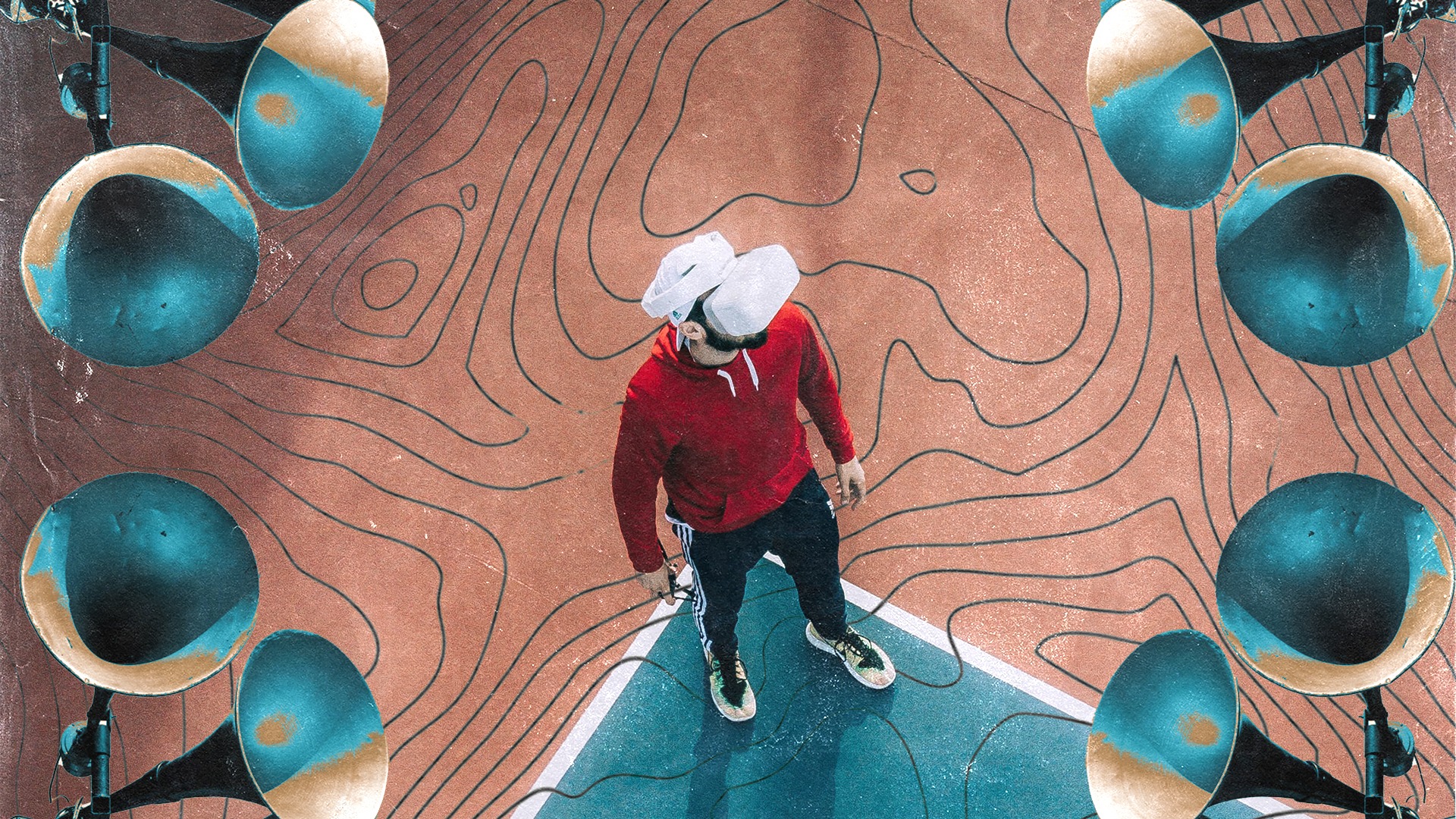
In the rapidly evolving world of digital media, the concept of “immersive photo art” has emerged as a groundbreaking way to captivate audiences by transforming traditional visuals into experiential narratives. This art form, which marries photography with elements of virtual reality (VR), augmented reality (AR), and 3D modeling, creates a dynamic and engaging experience. This article explores the essence of immersive photo art, the techniques to master it, and how you can elevate your visuals to new heights.
Understanding Immersive Photo Art
Immersive photo art is an innovative blend of technology and creativity. It transcends the boundaries of traditional photography by integrating interactive elements that engage the viewer in a multi-sensory experience. This form of art leverages the power of digital tools to create a three-dimensional space that viewers can explore, offering a deeper emotional connection to the content.
The Origins and Evolution
The roots of immersive photo art can be traced back to the early experiments with panoramic photography and stereoscopic images. These initial attempts laid the groundwork for today’s immersive experiences, where high-resolution imagery is combined with interactive elements to create a sense of presence and immersion.
With the advent of VR and AR technologies, artists now have the tools to push the boundaries of what is possible. The evolution of software and hardware has made it easier than ever for creators to produce stunning immersive visuals that were once the domain of science fiction.
Key Components of Immersive Photo Art
To truly master immersive photo art, it’s crucial to understand its core components. These include high-quality imagery, 3D modeling, virtual and augmented reality, interactivity, and sound design.
High-Quality Imagery
At the heart of any compelling immersive photo art is high-quality imagery. This involves not only capturing stunning photographs but also understanding how to manipulate these images to fit into a 3D environment. Techniques such as HDR photography, depth mapping, and photogrammetry play a significant role in creating detailed and realistic visuals.
3D Modeling
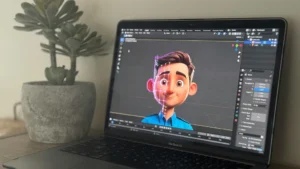
3D modeling is a cornerstone of immersive photo art. It allows artists to create lifelike environments and objects that viewers can interact with. Mastery of 3D software like Blender, Maya, or Cinema 4D is essential for crafting intricate models that seamlessly integrate with photographic elements.
Virtual and Augmented Reality
VR and AR technologies are pivotal in creating an immersive experience. VR transports viewers into a completely digital environment, while AR overlays digital elements onto the real world. Both require careful planning and execution to ensure that the experience is smooth and engaging.
Interactivity
Interactivity is what sets immersive photo art apart from traditional photography. By allowing viewers to navigate and interact with the artwork, artists can create a personalized experience that resonates on a deeper level. This can be achieved through clickable hotspots, guided tours, or interactive storytelling elements.
Sound Design
Sound is a powerful tool in immersive photo art, adding an additional layer of depth to the experience. Whether it’s ambient soundscapes, narrative voiceovers, or synchronized sound effects, audio elements can significantly enhance the emotional impact of the artwork.
Techniques for Creating Immersive Photo Art
Creating immersive photo art requires a combination of technical skills and creative vision. Here are some techniques that can help you master this art form:
Storytelling through Visuals
At the core of immersive photo art is storytelling. Consider the narrative you want to convey and how each element of your artwork contributes to that story. Use visual metaphors, symbolism, and composition to guide the viewer’s journey and evoke emotions.
Seamless Integration of Elements
The success of immersive photo art lies in the seamless integration of photographic and digital elements. Pay attention to lighting, perspective, and scale to ensure that 3D models and interactive components blend naturally with the photographic background.
Attention to Detail
Details matter in immersive photo art. Focus on the small elements that enhance realism and engagement, such as textures, reflections, and shadows. These details can make the difference between a good piece of art and an exceptional one.
Experimentation and Iteration
Immersive photo art is an evolving field that thrives on experimentation. Don’t be afraid to try new techniques, tools, and ideas. Iterate on your designs, gather feedback, and refine your work to achieve the desired impact.
Tools and Software for Immersive Photo Art
A wide array of tools and software is available to help you create immersive photo art. Here are some essential ones:
Photography Tools
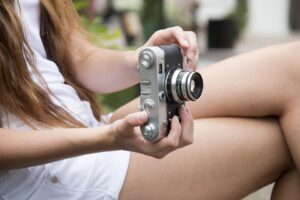
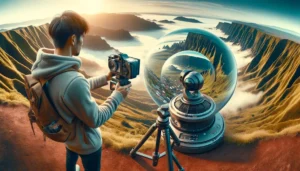
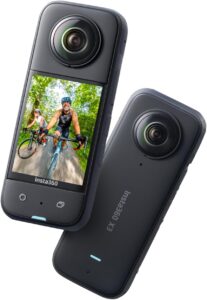
For capturing high-quality images, a DSLR or mirrorless camera with a range of lenses is ideal. Consider using drones for aerial shots and panoramic heads for capturing 360-degree images.
3D Modeling Software
Blender, Autodesk Maya, and Cinema 4D are popular choices for 3D modeling. These programs offer robust features for creating complex models and environments.
VR and AR Platforms
Unity and Unreal Engine are leading platforms for developing VR and AR experiences. They provide powerful tools for building interactive and immersive environments.
Post-Processing Software
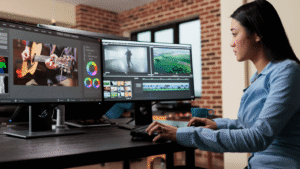
Adobe Photoshop and Lightroom are staples for photo editing, while software like After Effects can add motion and special effects to your work.
The Future of Immersive Photo Art
The future of immersive photo art is bright and full of potential. As technology continues to advance, the possibilities for creating even more engaging and interactive experiences are expanding. Emerging technologies like artificial intelligence, machine learning, and real-time rendering will further enhance the creation and consumption of immersive art.
The growing popularity of VR and AR headsets, along with the increasing accessibility of these technologies, will make immersive photo art more mainstream. Artists will have new opportunities to reach wider audiences and explore novel forms of expression.
Conclusion
Mastering immersive photo art requires a blend of technical expertise, creative vision, and an understanding of the tools and techniques that bring this art form to life. By embracing the potential of immersive experiences, artists can transform their visuals into captivating narratives that resonate with audiences on a profound level. As you embark on your journey into the world of immersive photo art, remember that the only limit is your imagination.


Post Comment