Master 3D Photography: Capture Stunning Depth Easily

Introduction to 3D Photography
The art of 3D photography has captivated both amateur and professional photographers alike, offering a new dimension of realism and depth to images. By creating an illusion of depth, 3D photography brings photos to life, making them appear as if they are jumping out of the frame. This technique is not only exciting but also accessible, thanks to advancements in technology. In this article, we will explore the fundamental principles of 3D photography, the techniques you need to master, and how you can easily capture stunning depth in your photographs.
Understanding the Basics of 3D Photography
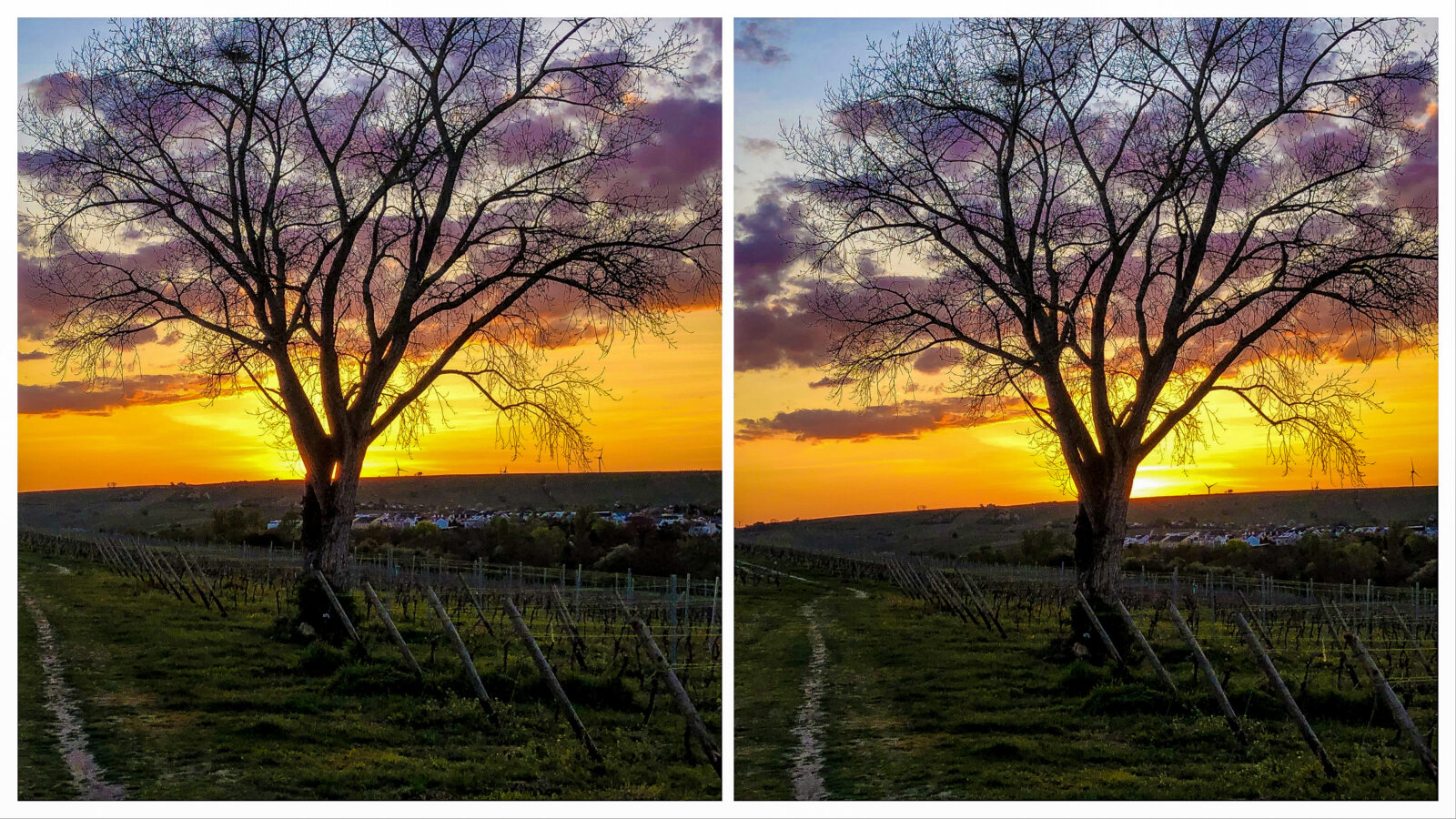
At its core, 3D photography involves capturing the same scene from two slightly different perspectives, mimicking the way our eyes perceive depth. This approach allows the final image to provide a stereoscopic effect when viewed correctly. Understanding the science behind it is crucial for mastering this art.
How Our Eyes Perceive Depth
Human vision is naturally three-dimensional. Our eyes are spaced approximately 6.5 cm apart, allowing each eye to capture a slightly different image. The brain then processes these two images to create a perception of depth. This binocular vision is the basis for 3D photography, as it seeks to replicate this effect using cameras.
Key Principles of 3D Photography
– **Stereo Base**: This refers to the distance between the two camera lenses or positions. Similar to the distance between human eyes, adjusting the stereo base can enhance or reduce depth perception.
– **Parallax**: This is the apparent displacement of objects when viewed from different perspectives. In 3D photography, managing parallax is crucial to create a convincing 3D effect.
– **Convergence**: The angle at which the two cameras or lenses are aligned affects how the final image will be perceived. Convergence must be carefully set to ensure both images align properly when viewed together.
Techniques to Capture Stunning 3D Photographs
To master 3D photography, it is essential to familiarize yourself with various techniques that enhance depth and realism in your images.
Using a 3D Camera
The simplest way to capture 3D images is by using a dedicated 3D camera. These devices come equipped with two lenses to automatically capture stereoscopic images. While easy to use, they offer limited control over the stereo base and parallax, which can be restrictive for more creative photography.
Shooting with Two Cameras
For more control and flexibility, using two separate cameras mounted on a stereo rig is a popular technique. This setup allows you to adjust the stereo base according to the desired depth effect. Ensure both cameras are of the same model to maintain consistency in image quality and settings.
Freehand Shooting
If you don’t have access to specialized equipment, freehand shooting is an option. This involves capturing two images sequentially by slightly shifting the camera sideways between shots. While more challenging, this method can yield impressive results with practice.
Post-Processing Techniques
Once you have captured your images, post-processing plays a crucial role in refining the 3D effect. Software like Adobe Photoshop and specialized 3D software can help align images, adjust parallax, and enhance depth perception. These tools are invaluable for creating an immersive 3D experience.
Enhancing Depth Perception
Capturing depth is not just about technique; it also involves understanding the composition and elements that contribute to a strong 3D image.
Foreground, Middleground, and Background
To create a compelling 3D image, include elements in the foreground, middleground, and background. This layering adds depth and guides the viewer’s eye through the scene. Pay attention to how these elements interact and overlap to enhance the 3D effect.
Lighting and Shadows
Lighting plays a vital role in emphasizing texture and depth. Use natural or artificial light to create shadows that add dimensionality to your images. Experiment with side lighting to accentuate textures and create contrast between different planes in your scene.
Color and Contrast
Use color strategically to separate elements within your composition. High contrast between colors can make objects stand out, while subtle gradients can add a sense of depth. Consider color theory when composing your shot to enhance the overall 3D effect.
Viewing and Sharing 3D Images
Once you have mastered capturing 3D images, the next step is to share them in a way that preserves the depth effect.
Stereoscopic Displays
Stereoscopic displays, such as 3D televisions and monitors, are designed to showcase 3D content. These devices often require 3D glasses, either anaglyph (red-cyan) or polarized, to view the images properly.
VR Headsets
Virtual reality headsets offer an immersive way to experience 3D images. By using VR-compatible software, you can view your photographs as if you were stepping into them. This method is particularly effective for showcasing landscapes and architecture.
Online Platforms
Several online platforms allow you to share 3D images, such as YouTube and specialized 3D photo-sharing sites. These platforms often have built-in support for 3D viewing, making it easy for others to experience your work.
Overcoming Challenges in 3D Photography
While 3D photography is exciting, it comes with its own set of challenges.
Alignment and Synchronization
When using two cameras or freehand shooting, ensuring both images align perfectly is crucial. Any disparity can lead to viewer discomfort or double images. Use software to assist in aligning and synchronizing your shots.
Managing Parallax
Excessive parallax can cause objects to appear distorted or uncomfortable to view. Experiment with different stereo bases and convergence angles to find the right balance for your scene.
Equipment Limitations
Not everyone has access to high-end 3D cameras or stereo rigs. However, creativity and practice can help you achieve impressive results with basic equipment. Experiment with DIY solutions and freehand techniques to overcome equipment constraints.
Conclusion
Mastering 3D photography opens up a world of creative possibilities, allowing you to capture images that engage and captivate viewers. By understanding the fundamental principles and techniques, you can create stunning depth and realism in your photos. Whether you use dedicated equipment or improvise with what you have, the key is to practice and experiment. With dedication, you can easily capture and share the magic of 3D photography, bringing your images to life like never before.
#ChatGPT assisted in the creation of this article.






Post Comment