Mastering 3D Portrait Photography for Stunning Results
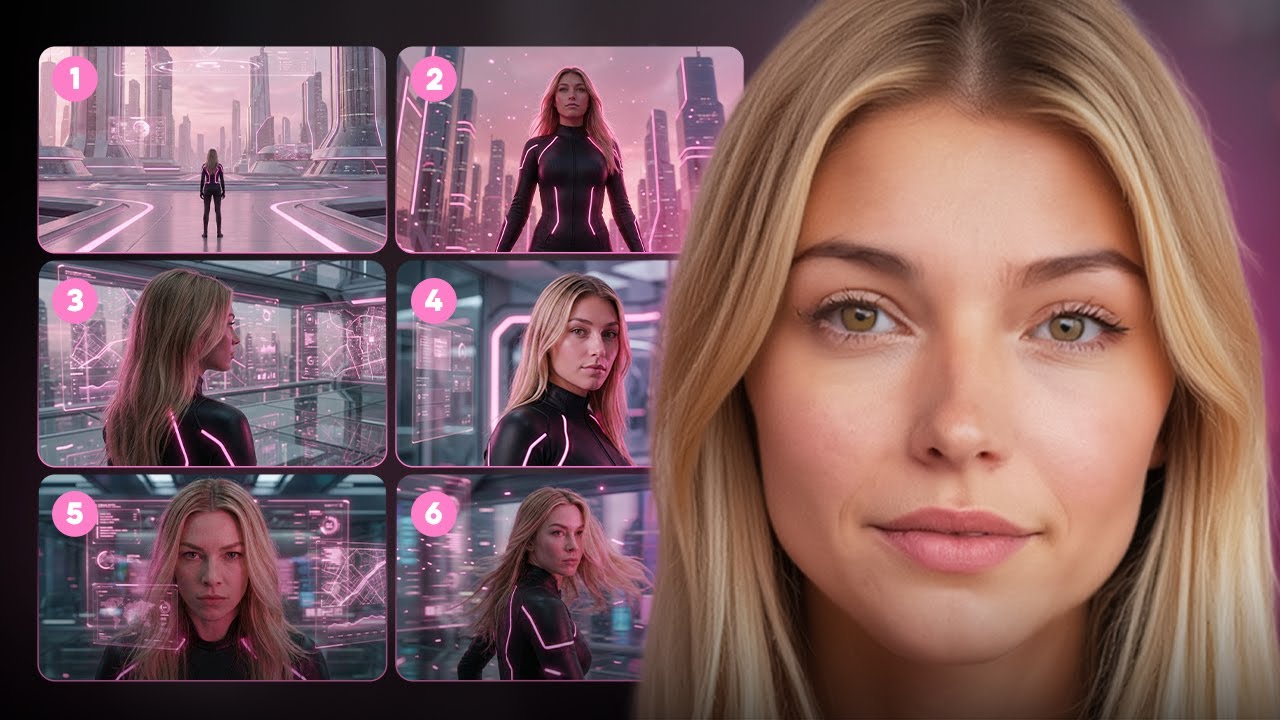
In recent years, 3D photography has emerged as a groundbreaking technique that adds depth and realism to images, making them appear more lifelike. Among its various applications, 3D portrait photography is particularly captivating, as it provides a unique way to capture the essence of a person with stunning results. Mastering this art requires both technical expertise and creative vision. In this article, we will explore the essential techniques, tools, and tips to help you excel in 3D portrait photography.
Understanding the Basics of 3D Photography
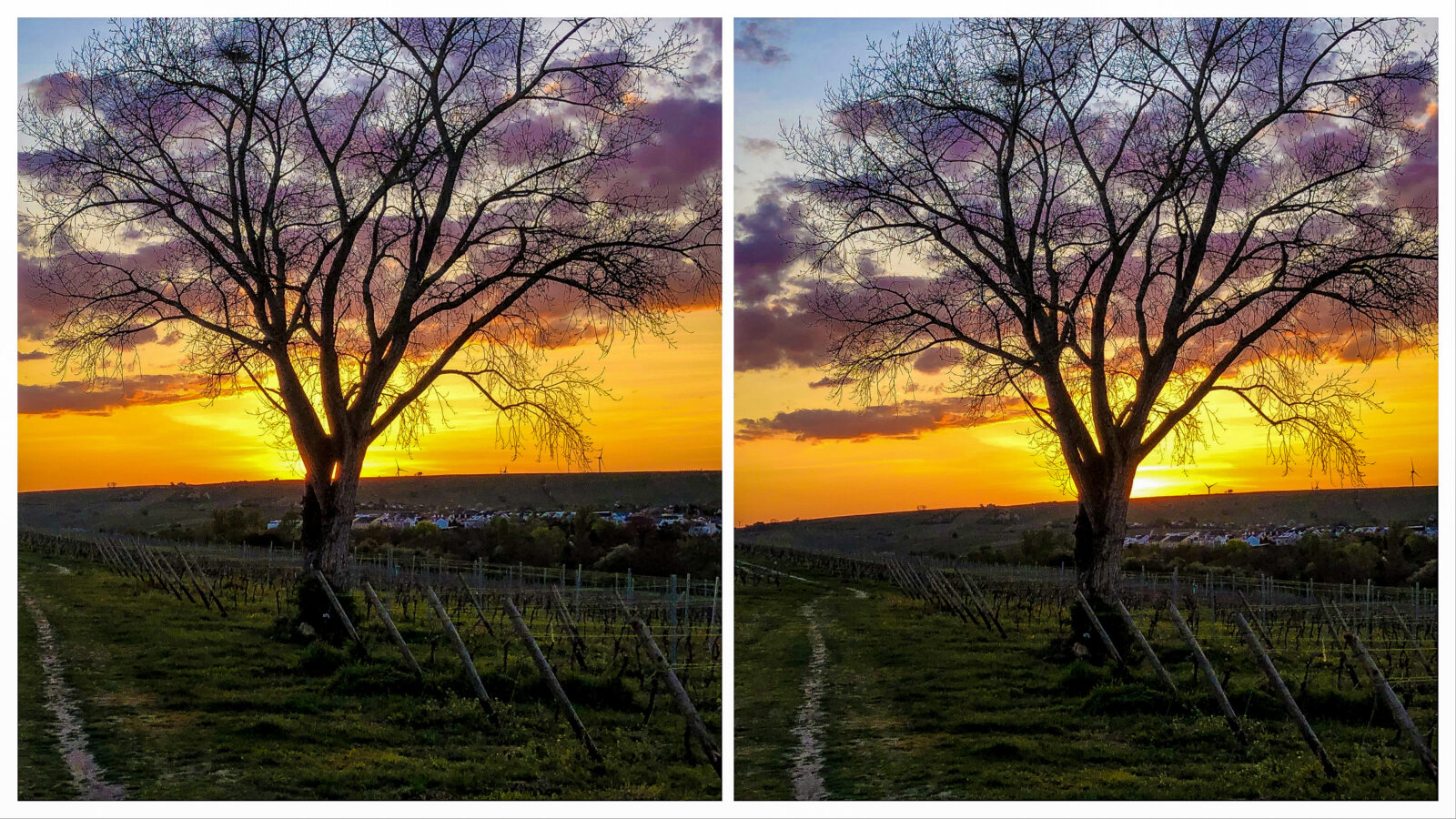
Before diving into 3D portrait photography, it is crucial to understand the fundamental concepts of 3D photography. The basic idea behind 3D photography is to create images with depth perception, mimicking how our eyes perceive the world. This is achieved by capturing two slightly different perspectives of the same scene, similar to how our left and right eyes view an object from different angles.
These two images are then combined to create a stereoscopic effect, enhancing the illusion of depth. Various methods can achieve this effect, including anaglyphs, stereograms, and lenticular prints. However, for 3D portrait photography, most photographers prefer using stereoscopic techniques, which offer more control and higher image quality.
Essential Equipment for 3D Portrait Photography
To master 3D portrait photography, it is important to have the right equipment. Here are some essential tools you will need:
3D Camera or Dual-Lens Setup
A 3D camera or a dual-lens setup is the most straightforward way to capture 3D portraits. 3D cameras are designed with two lenses that mimic the distance between human eyes, allowing them to capture simultaneous left and right images. Alternatively, you can use two identical cameras mounted on a rig to achieve a similar effect. Ensure that both cameras are synchronized to capture images at the same time.
Tripod and Mounting Rig
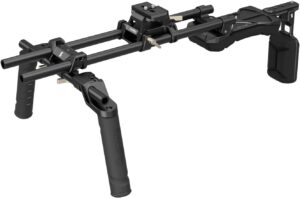
Stability is crucial in 3D photography, especially when using two separate cameras. A sturdy tripod and a mounting rig will help keep your cameras aligned and stable, reducing the risk of misalignment and blurriness.
Lighting Equipment
Proper lighting is essential for any form of portrait photography, and 3D portraits are no exception. Using soft, diffused lighting will help bring out the subject’s features while minimizing harsh shadows that may disrupt the 3D effect. Consider using a combination of softboxes, reflectors, and fill lights to achieve balanced lighting.
3D Viewing Devices or Software
Once you have captured your 3D portraits, you will need a way to view and edit them. Several software options, such as Adobe Photoshop and specialized 3D editing programs, allow you to process and refine your images. Additionally, consider investing in 3D viewing devices, like VR headsets or 3D monitors, to fully appreciate the depth and detail of your work.
Techniques for Capturing Stunning 3D Portraits
With the right equipment in hand, it’s time to focus on the techniques that will help you capture stunning 3D portraits.
Composition and Framing
In 3D portrait photography, composition plays a crucial role in creating a sense of depth. Consider positioning your subject against a background with distinct layers or elements that enhance the 3D effect. Experiment with different angles and perspectives to find the most engaging composition. Additionally, framing your subject off-center can add dynamism to the portrait and draw the viewer’s eye into the scene.
Depth and Perspective
Achieving a realistic sense of depth is the primary goal of 3D portrait photography. Pay attention to the distance between your subject and the background, as well as the distance between the two cameras or lenses. Adjusting these distances can significantly impact the perception of depth. Experiment with different focal lengths and apertures to control the depth of field and create a more immersive effect.
Subject Interaction
Encourage your subject to interact with their environment to add a sense of realism and spontaneity to the portrait. This could involve having them reach out toward the camera or engage with objects in the foreground. Such interactions can enhance the three-dimensional effect and create a more engaging image.
Stereoscopic Alignment
Ensuring proper alignment between the left and right images is crucial for creating a convincing 3D effect. Misalignment can lead to discomfort for viewers and detract from the overall quality of the portrait. Use software tools to align and adjust the images as needed, paying attention to any parallax issues that may arise.
Post-Processing for 3D Portraits
Post-processing is an essential step in refining your 3D portraits and enhancing their visual impact. Here are some key tips for effective post-processing:
Color Correction and Enhancement
Start by adjusting the colors and contrast of your images to ensure they are consistent and visually appealing. Use editing software to fine-tune the exposure, highlights, and shadows, paying attention to any color discrepancies between the left and right images.
Depth Map Editing
Creating and refining a depth map can help enhance the 3D effect in your portraits. A depth map is a grayscale representation of the distance between the camera and different elements in the scene. Use software tools to edit and optimize the depth map, ensuring a smooth and realistic transition between foreground and background elements.
Stereoscopic Viewing and Adjustments
Once your images are aligned and edited, view them using stereoscopic devices or software to assess the depth and quality of the 3D effect. Make any necessary adjustments to the alignment, depth, and overall composition to ensure a seamless and immersive experience for viewers.
Creative Applications and Future Trends
As you become more proficient in 3D portrait photography, consider exploring creative applications and future trends that can elevate your work.
Augmented Reality and Virtual Reality
With the rise of augmented reality (AR) and virtual reality (VR) technologies, 3D portrait photography offers exciting opportunities to create interactive and immersive experiences. Consider experimenting with AR and VR platforms to showcase your 3D portraits in innovative ways, allowing viewers to engage with your work on a deeper level.
3D Printing
Another exciting application of 3D portrait photography is 3D printing. By capturing detailed 3D portraits, you can create lifelike models and sculptures, offering unique keepsakes and artistic expressions. This technology opens up new possibilities for photographers to expand their creative horizons and offer clients one-of-a-kind physical representations of their portraits.
Conclusion
Mastering 3D portrait photography requires a blend of technical skills, artistic vision, and a willingness to experiment with new techniques and technologies. By understanding the basics of 3D photography, investing in the right equipment, and honing your skills in composition, lighting, and post-processing, you can create stunning 3D portraits that captivate and inspire. As you continue to explore this dynamic field, embrace the creative possibilities and future trends that 3D portrait photography offers, and push the boundaries of your artistic expression.








Post Comment