Avoid These Common 3D Photography Mistakes

3D photography, also known as stereoscopic photography, has become increasingly popular with advancements in technology. It allows photographers to capture images that simulate the depth and dimensionality of the real world, providing a more immersive viewing experience. However, mastering 3D photography can be challenging, and there are several common mistakes that can detract from the quality of your images. In this article, we will explore these common pitfalls and provide guidance on how to avoid them.
Improper Camera Alignment
One of the foundational aspects of 3D photography is ensuring proper camera alignment. The cameras must be aligned correctly to capture the left and right images needed to create the 3D effect. A common mistake is having the cameras misaligned, which can lead to undesirable results such as double images or an uncomfortable viewing experience.
How to Avoid Improper Camera Alignment
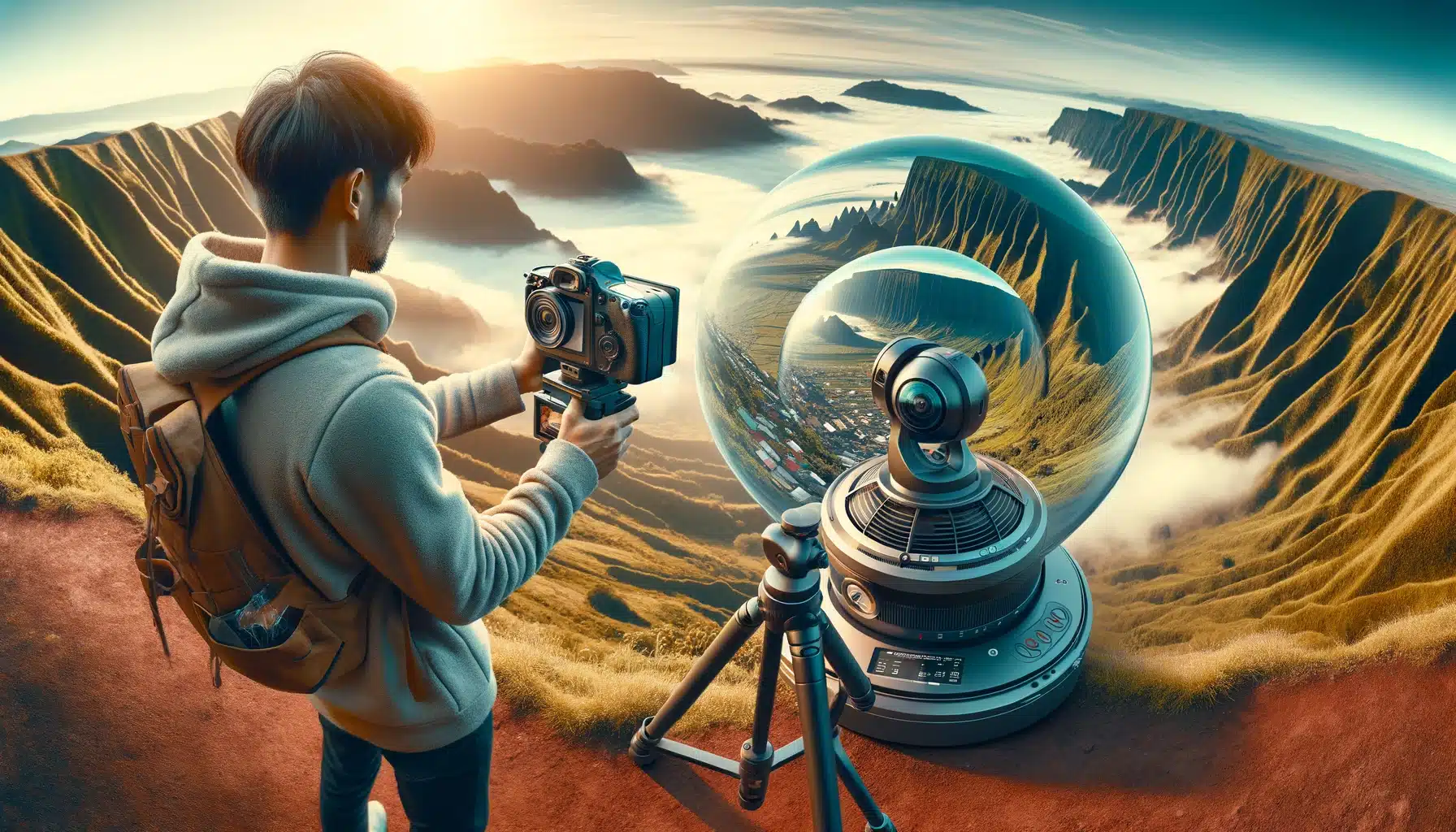
To avoid this mistake, use a stereo camera rig or a dual camera setup with a precise alignment system. Make sure the cameras are set at the same height and angle, and that the lenses are perfectly parallel. Investing in a tripod with a horizontal bar can also help maintain alignment throughout your shoot.
Incorrect Interocular Distance
Interocular distance refers to the distance between the centers of the two lenses used in 3D photography. A common mistake is setting this distance too wide or too narrow, which can distort the depth perception of the final image. If the distance is too great, it may exaggerate the 3D effect, causing viewer discomfort. Conversely, too small a distance may diminish the 3D effect, making it less impactful.
How to Set the Correct Interocular Distance
The standard interocular distance for most 3D photography is approximately 65mm, which mimics the average distance between human eyes. However, this can be adjusted depending on the subject and desired effect. For closer subjects, a smaller interocular distance may be appropriate, while a larger distance might be suitable for expansive landscapes. Experiment with different distances and adjust accordingly based on your subject and the depth effect you want to achieve.
Ignoring Parallax Errors
Parallax errors occur when there is a noticeable misalignment between the two images taken by the left and right cameras. This can happen if the cameras are not perfectly aligned or if there is a movement between shots. Parallax errors can lead to ghosting effects or a blurred 3D image, which can be distracting and detract from the overall quality.
How to Minimize Parallax Errors
To minimize parallax errors, ensure that your cameras are securely mounted and aligned. Use a remote shutter release to avoid moving the cameras when capturing images. Additionally, in post-production, use software tools designed to correct parallax errors by realigning the images digitally.
Poor Composition
Composition is key in any form of photography, and 3D photography is no exception. A common mistake is focusing solely on the technical aspects of capturing 3D images and neglecting the composition. This can lead to images that, while technically sound, are lacking in artistic quality and viewer engagement.
How to Improve Composition in 3D Photography
Pay attention to traditional compositional elements such as the rule of thirds, leading lines, and framing. Consider how the 3D effect will enhance these elements and create a more dynamic image. Use depth to your advantage by placing subjects at varying distances from the camera to create layers within your image. This will add interest and draw the viewer’s eye into the scene.
Neglecting Lighting
Lighting is a crucial component of any photographic endeavor, and neglecting it can lead to flat or unappealing 3D images. A common mistake is not considering how lighting affects depth and dimension in 3D photography.
How to Use Lighting Effectively in 3D Photography
To effectively use lighting in 3D photography, consider how shadows and highlights will interact with the 3D effect. Directional lighting can enhance the perception of depth and make the 3D effect more pronounced. Experiment with different lighting setups to find what best complements your subject and desired effect.
Overlooking Post-Processing
Post-processing is an essential step in creating high-quality 3D images. A common mistake is to overlook this step or apply generic edits that do not enhance the 3D effect.
How to Enhance 3D Images in Post-Production
Use specialized software designed for 3D image editing. These tools can help refine the depth effect, correct any alignment issues, and adjust the color balance to ensure that both images match seamlessly. Additionally, consider using depth maps to further enhance the 3D effect and draw attention to specific elements within your image.
Using Inappropriate Subjects
Not all subjects are suitable for 3D photography, and using inappropriate subjects is a common mistake. Some scenes or objects may not have enough depth or contrast to create a compelling 3D effect.
How to Choose the Right Subjects for 3D Photography
Choose subjects with distinct layers or elements at varying distances from the camera. Landscapes with defined foreground, middle ground, and background elements make excellent 3D subjects. Alternatively, objects with intricate details and textures can also benefit from the 3D effect, adding to the viewer’s immersive experience.
Conclusion
Mastering 3D photography requires attention to detail and an understanding of both technical and artistic aspects. By avoiding these common mistakes, you can improve the quality of your 3D images and create more engaging and immersive experiences for your viewers. Remember to experiment and practice regularly, as this will help you refine your techniques and develop your own unique style in the world of 3D photography.








Post Comment