Top 3D Photo Capture Methods for Stunning Results
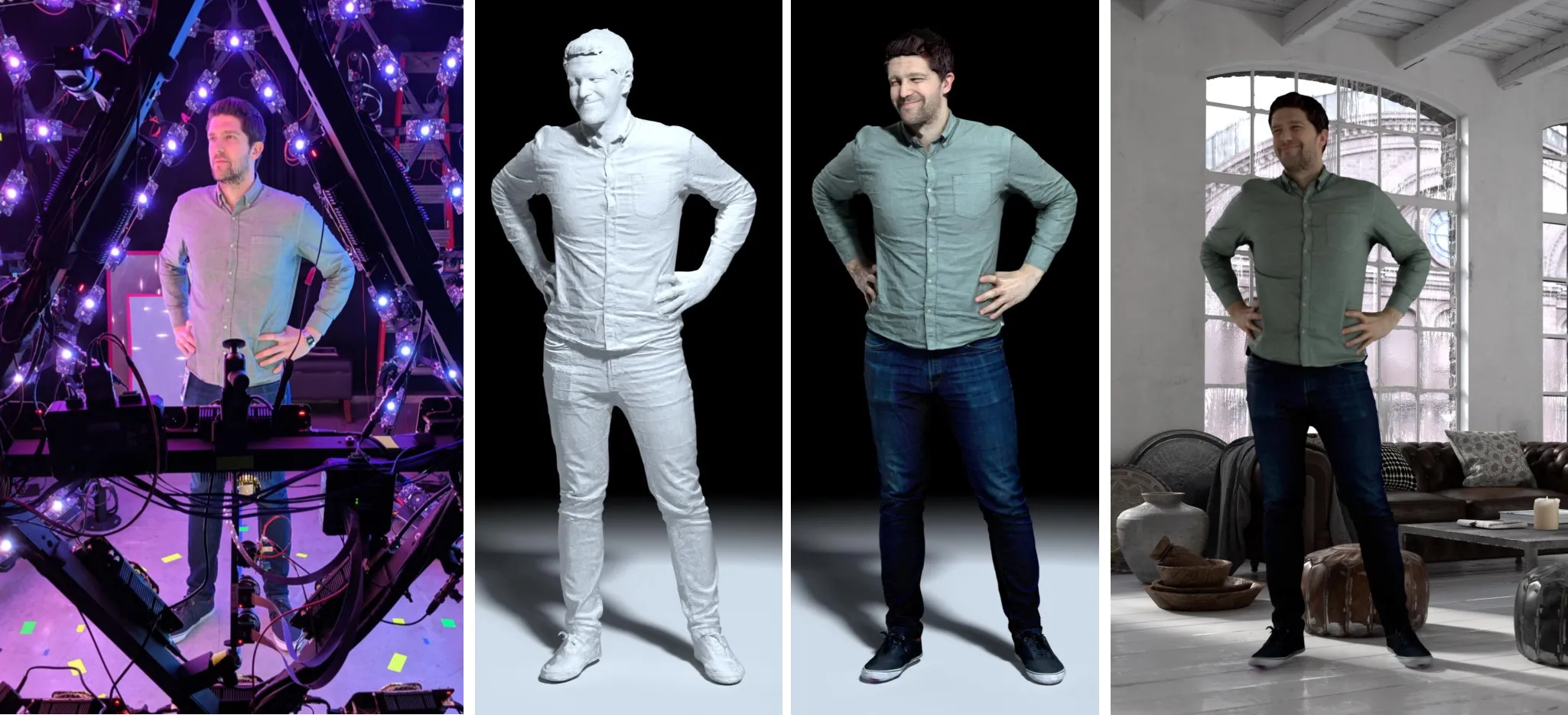
As the world of photography continues to evolve, one of the most exciting frontiers is the realm of 3D photography. This immersive technology allows photographers to capture images that offer depth and dimension, providing viewers with a more engaging and realistic visual experience. In this article, we will explore the top three methods for capturing stunning 3D photographs, diving into the techniques, equipment, and tips that can help photographers create breathtaking 3D images.
Stereoscopic Photography
Stereoscopic photography is one of the most traditional methods for capturing 3D images. This technique involves taking two photographs of the same scene from slightly different angles, mimicking the perspective difference between our two eyes. When these images are viewed together, they create an illusion of depth.
Equipment Needed
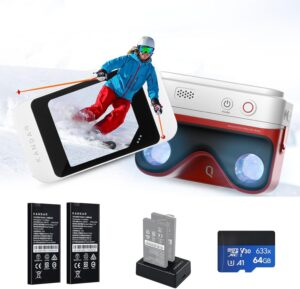
To engage in stereoscopic photography, you will need a camera capable of taking high-resolution images. While a regular DSLR or mirrorless camera can suffice, specialized stereoscopic cameras are available that have dual lenses specifically designed for this purpose. Alternatively, two synchronized cameras mounted on a rig can be used to capture the stereo pair simultaneously.
Technique
The key to successful stereoscopic photography lies in the precise alignment and distance between the two cameras or lenses. Generally, they should be spaced about the distance of human eyes apart (approximately 65mm), though this can be adjusted based on the desired effect and the scale of the subject.
After capturing the stereo pair, software such as Adobe Photoshop or specialized stereoscopic editing tools can be used to align and process the images. The final result can be viewed using 3D glasses or through VR headsets for a fully immersive experience.
Tips for Stunning Results
- Ensure the cameras are level and aligned correctly to avoid vertical misalignment.
- Use a tripod to maintain stability and consistency between shots.
- Experiment with different distances between the lenses to achieve varying levels of depth.
Light Field Photography
Light field photography is a cutting-edge method that captures not just the light intensity but also the direction of light rays, allowing for post-capture adjustment of focus and depth. This technique offers unprecedented control over the final image with the ability to change the perspective after the photo has been taken.
Equipment Needed
Light field cameras, such as those developed by Lytro, are specifically designed for this type of photography. These cameras are equipped with a microlens array that captures the light field of a scene.
Technique
When capturing a scene with a light field camera, the photographer doesn’t need to worry as much about focus and depth at the time of shooting. Instead, these elements are adjusted in post-processing. Software that accompanies light field cameras allows for manipulation of the depth of field, perspective shifts, and even 3D rendering.
Tips for Stunning Results
- Take advantage of the ability to refocus and adjust depth post-capture to enhance the composition.
- Experiment with different lighting conditions to see how they affect the depth and detail in your images.
- Utilize the perspective shift feature to create dynamic and engaging compositions.
Photogrammetry
Photogrammetry is a method that involves capturing a series of photographs from different angles and using software to reconstruct a 3D model of the object or scene. This technique is widely used in fields such as architecture, archaeology, and gaming for its ability to create highly detailed 3D models.
Equipment Needed
A good quality camera with a high resolution is essential for photogrammetry. While a DSLR or mirrorless camera is ideal, even smartphones with advanced cameras can be used. Additionally, a computer with sufficient processing power is needed to handle the software and data processing.
Technique
To create a 3D model using photogrammetry, a series of overlapping images are taken from various angles around the subject. The more images taken, the more detailed and accurate the model will be. These images are then processed using specialized software such as Agisoft Metashape or RealityCapture, which stitch the images together to form a three-dimensional model.
Tips for Stunning Results
- Ensure consistent lighting across all images to reduce shadows and reflections that can distort the model.
- Capture as many angles as possible to ensure full coverage and detail.
- Use markers or scale references in your shots to aid in accurate scaling of the final 3D model.
Conclusion
3D photography offers an exciting opportunity to capture the world in a way that traditional photography cannot. Whether using stereoscopic techniques, light field cameras, or photogrammetry, each method provides unique possibilities for creating stunning images with depth and realism. By understanding the equipment, mastering the techniques, and utilizing the tips provided, photographers can push the boundaries of their creativity and produce truly breathtaking 3D photographs.
As technology continues to advance, the capabilities and accessibility of 3D photography will only continue to grow. Embrace these methods to not only enhance your photography skills but also to offer viewers an unforgettable visual experience.
#ChatGPT assisted in the creation of this article.






Post Comment