Mastering Mind-Bending Creative Photo Illusions

Creative Photo Illusions
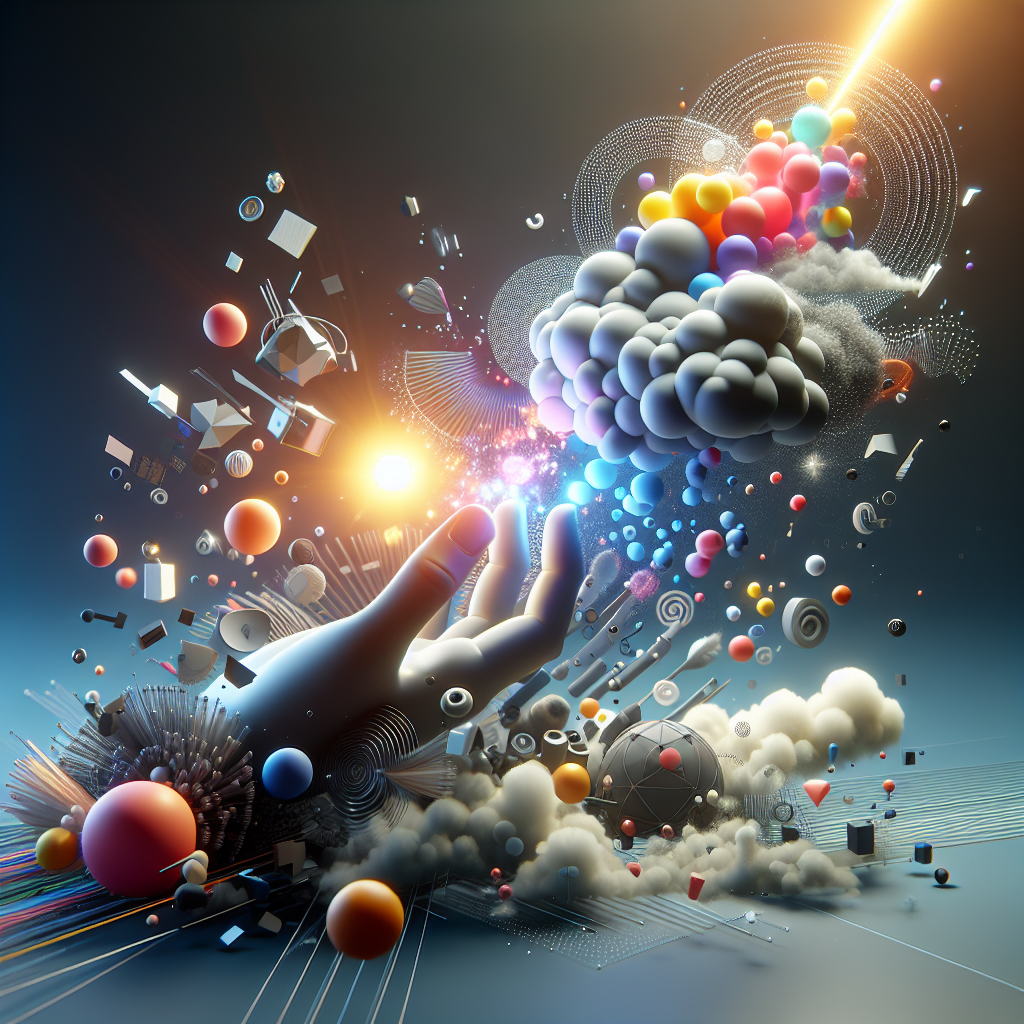
In the realm of photography, creativity knows no bounds. Among the myriad of techniques available, creative photo illusions stand out as a particularly fascinating way to captivate viewers and challenge their perceptions. By masterfully manipulating perspectives, playing with lighting, and utilizing advanced post-processing techniques, photographers can create images that bend reality and spark imagination. This article delves into the world of mind-bending photo illusions, offering insights and strategies for mastering this captivating art form.
Understanding the Basics of Photo Illusions
At its core, a photo illusion is an image that deceives the viewer’s eye, making the impossible appear possible. This is achieved through a combination of compositional techniques, optical illusions, and digital manipulation. The goal is to create a visual experience that is both intriguing and thought-provoking, encouraging viewers to question and explore the image further.
The Importance of Perspective
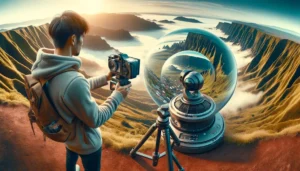
One of the foundational elements of creating photo illusions is the manipulation of perspective. By altering the angle or viewpoint from which a subject is captured, photographers can dramatically change how the subject is perceived. This can involve shooting from unconventional angles, or using forced perspective to make subjects appear larger, smaller, closer, or farther away than they actually are. Mastering this technique requires a keen understanding of spatial relationships and the ability to visualize the final outcome.
Lighting as a Tool for Illusion
Lighting plays a crucial role in crafting illusions in photography. By carefully controlling the direction, intensity, and color of light, photographers can create shadows, highlights, and reflections that add depth and dimension to an image. This can be used to create the illusion of movement, depth, or even entirely new objects within a scene. Understanding how light interacts with different surfaces and materials is key to utilizing this powerful tool effectively.
Advanced Techniques for Mind-Bending Illusions
Once the basics of perspective and lighting are mastered, photographers can begin to explore more advanced techniques. These methods often involve a combination of in-camera techniques and post-processing magic to achieve stunning results.
Long Exposure and Motion Blur
Long exposure photography can be used to create surreal effects, such as capturing the movement of clouds, water, or lights over time. By extending the exposure time, stationary objects remain sharp while moving elements become blurred, creating a dynamic contrast that can suggest movement or transformation. This technique can be further enhanced by combining it with other illusionary elements, such as reflections or mirrored surfaces.
Double Exposure and Layering
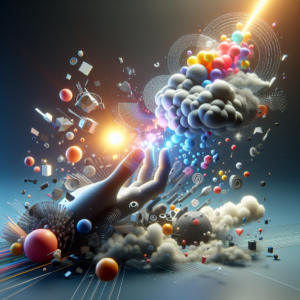
Double exposure is a technique that involves combining two or more images into a single frame, often resulting in dreamlike or abstract compositions. This can be achieved in-camera or through post-processing software. By carefully selecting and layering images, photographers can create narratives or explore themes such as duality and transformation. The key is to ensure that the combined images complement each other in terms of tone, texture, and composition.
Digital Manipulation and Compositing
In the digital age, photo manipulation and compositing have become invaluable tools for creating photo illusions. Advanced editing software allows photographers to seamlessly blend multiple images, remove unwanted elements, and enhance specific features to create a cohesive and convincing illusion. The possibilities are virtually limitless, from creating imaginary landscapes to merging subjects with their environments in unexpected ways. Mastering these tools requires both technical skill and a strong artistic vision.
Inspiration from the Masters of Illusion
To truly master the art of photo illusions, it’s essential to draw inspiration from those who have already pushed the boundaries of what’s possible. Examining the work of renowned photographers and visual artists can provide valuable insights into the creative process and spark new ideas for your own work.
Surrealism in Photography
The influence of surrealism in photography cannot be overstated. Artists such as Man Ray and Salvador Dalí have paved the way for modern practitioners by exploring themes of dreams, reality, and the subconscious. Their work often features surprising juxtapositions and unexpected combinations, encouraging viewers to question the nature of reality. By studying their techniques and philosophies, photographers can gain a deeper understanding of how to incorporate surreal elements into their own work.
Contemporary Illusion Artists
Today, a new generation of photographers and digital artists continue to innovate and explore the boundaries of illusionary photography. Artists like Erik Johansson and Jerry Uelsmann are renowned for their ability to create stunningly realistic images that defy logic and challenge perceptions. Their work often involves meticulous planning, attention to detail, and a deep understanding of both traditional and digital techniques. By analyzing their approach and techniques, photographers can learn valuable lessons about creativity, composition, and storytelling.
Practical Tips for Creating Your Own Photo Illusions
While gaining inspiration from the masters is important, developing your own unique style and approach is equally crucial. Here are some practical tips to help you on your journey to mastering photo illusions:
Experiment and Play
Creativity thrives on experimentation. Don’t be afraid to try new techniques, explore unconventional ideas, and learn from your mistakes. The process of trial and error can lead to unexpected discoveries and innovative solutions. Approach each project with an open mind and a willingness to explore the unknown.
Plan Your Composition
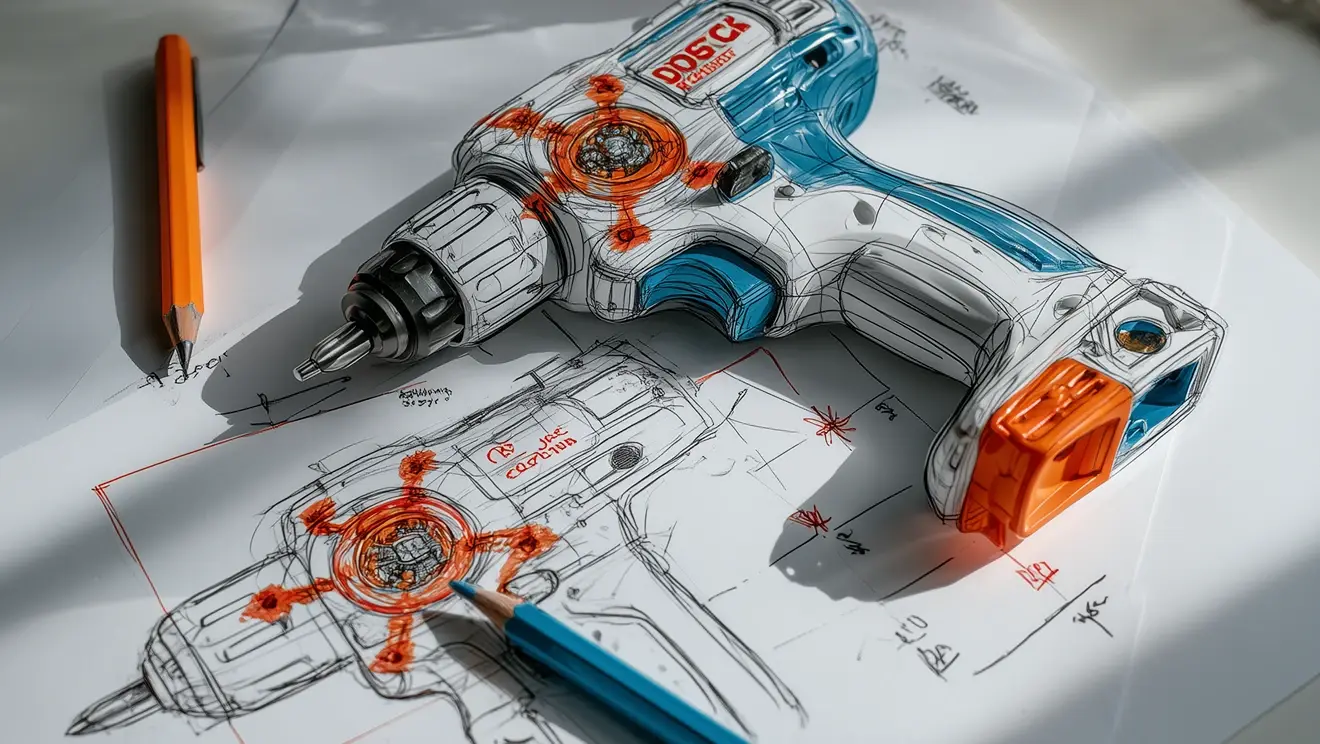
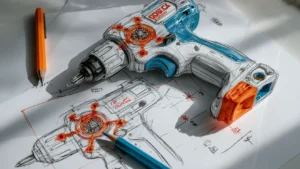
While spontaneity is valuable, planning plays a critical role in creating convincing illusions. Consider sketching out your ideas or creating a storyboard to map out your composition. This can help you visualize the final image and identify potential challenges before you begin shooting.
Focus on the Details
In photo illusions, details matter. Pay close attention to elements such as lighting, shadows, and reflections, as these can make or break the illusion. Use post-processing tools to refine and enhance these details, ensuring that your final image is both cohesive and believable.
Embrace Post-Processing
Post-processing is an essential part of creating photo illusions. Invest time in learning how to use editing software effectively, and explore the wide range of tools and techniques available. This might include blending modes, masking, color correction, and more. The goal is to enhance your original vision while maintaining a sense of realism and coherence.
Conclusion: Pushing the Boundaries of Creativity
Mastering mind-bending creative photo illusions involves a blend of technical skill, artistic vision, and a willingness to push the boundaries of what’s possible. By understanding the principles of perspective, lighting, and digital manipulation, and drawing inspiration from both past and present artists, photographers can create images that captivate, inspire, and challenge perceptions. As you embark on your journey into the world of photo illusions, remember to embrace experimentation, focus on the details, and never stop exploring the endless possibilities of this captivating art form.
#ChatGPT assisted in the creation of this article.







Post Comment