Advanced 3D Image Processing Techniques
In recent years, the field of 3D image processing has seen unprecedented advancements, revolutionizing the way we perceive and interact with digital content.
In recent years, the field of 3D image processing has seen unprecedented advancements, revolutionizing the way we perceive and interact with digital content. From entertainment and gaming to virtual reality and medical imaging, 3D image processing techniques have transformed visual experiences across various domains. This article delves into the latest advancements in 3D image processing, highlighting the techniques that are pushing the boundaries of visual realism and interactivity.
Understanding 3D Image Processing
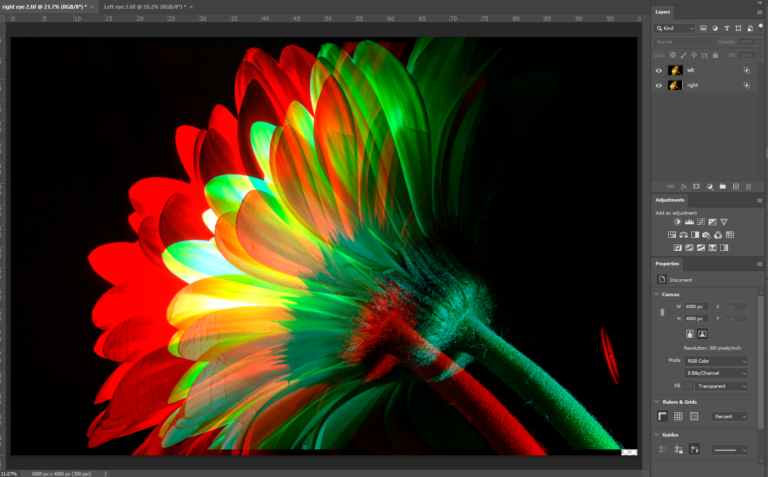
3D image processing involves the manipulation and analysis of images represented in three dimensions. Unlike traditional 2D images, 3D images contain depth information, enabling more realistic representations of objects and environments. The process includes several stages: capturing 3D data, processing this data, and rendering it into a form suitable for visualization or further analysis.
Data Acquisition
The first step in 3D image processing is acquiring high-quality 3D data. This can be achieved through various techniques such as stereoscopic imaging, LIDAR scanning, photogrammetry, and MRI for medical purposes. These methods capture spatial information, allowing the creation of detailed 3D models that serve as the foundation for further processing.
Data Processing
After acquiring the data, the next phase involves processing it to enhance the quality and extract useful information. Techniques such as point cloud processing, mesh reconstruction, and surface texturing are employed to refine the captured data. Advanced algorithms correct anomalies, reduce noise, and fill in missing data, resulting in accurate and high-resolution 3D models.
Cutting-edge Techniques in 3D Image Processing
The progression of 3D image processing is largely driven by innovative techniques that enhance the realism, efficiency, and interactivity of 3D models. Here, we explore several advanced techniques that are reshaping the landscape of 3D image processing.
Machine Learning and AI Integration
The integration of machine learning and artificial intelligence in 3D image processing has opened new avenues for automation and advanced analysis. AI algorithms can automatically identify patterns, recognize objects, and even predict missing data points in 3D models. Techniques such as deep learning enhance the capability to generate realistic textures and animations, making 3D content more lifelike.
Real-time Rendering
Real-time rendering technology has significantly improved the interactivity of 3D environments. This technique enables the instantaneous visualization of 3D models, allowing users to interact with them in real-time. The use of graphics processing units (GPUs) and advanced rendering engines like Unreal Engine and Unity have made it possible to create immersive experiences, crucial for applications in gaming and virtual reality.
Volumetric Imaging
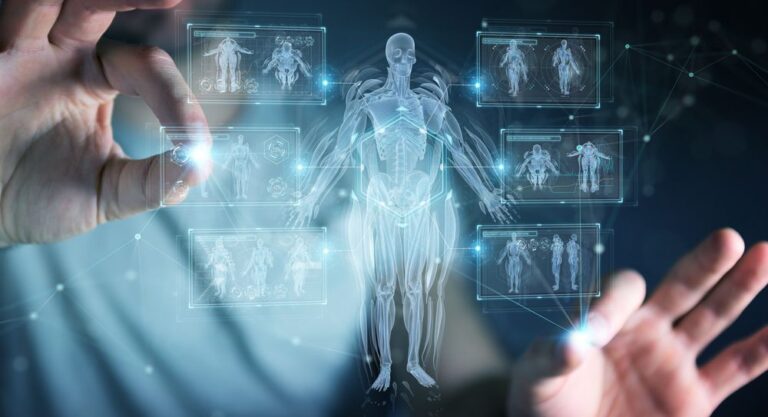
Volumetric imaging is a game-changer in 3D image processing, particularly in the fields of medical imaging and scientific visualization. This technique captures and processes volumetric data, providing insights into the internal structure of objects. In healthcare, volumetric imaging aids in accurate diagnosis and surgical planning, offering 3D visualizations of organs and tissues without invasive procedures.
Photorealistic Rendering
Achieving photorealism in 3D rendering is a significant milestone in visual processing. Techniques such as ray tracing, global illumination, and physically based rendering (PBR) simulate the behavior of light to produce images that are indistinguishable from real-world photographs. This level of realism is essential in industries like architecture, where accurate visualizations aid in design and decision-making.
Applications of Advanced 3D Image Processing
The impact of advanced 3D image processing techniques extends across numerous industries, enhancing both functionality and user experience.
Entertainment and Gaming
The entertainment and gaming industries are at the forefront of utilizing 3D image processing techniques. Real-time rendering and photorealistic visuals create immersive gaming environments, elevating user experiences to new heights. Furthermore, 3D modeling and animation techniques enable the creation of lifelike characters and detailed virtual worlds, captivating audiences worldwide.
Virtual and Augmented Reality
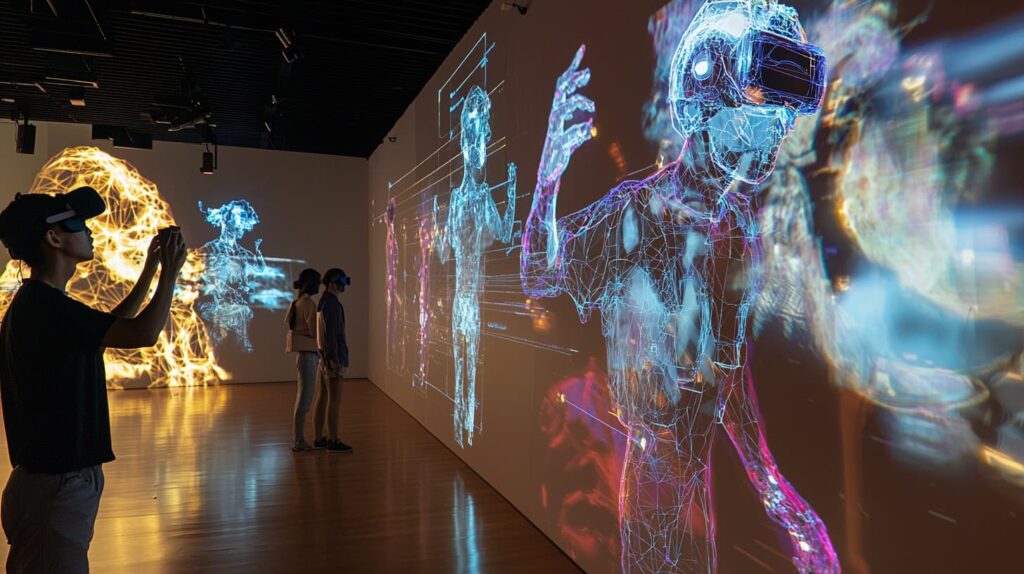
Virtual and augmented reality applications rely heavily on advanced 3D image processing techniques to create interactive and immersive experiences. These technologies blend digital content with the real world, transforming how users engage with information and environments. From virtual tours to training simulations, the possibilities are vast and continually expanding.
Healthcare and Medical Imaging
In healthcare, 3D image processing plays a pivotal role in improving diagnostic accuracy and treatment planning. Techniques like volumetric imaging and AI-driven analysis facilitate precise visualization of anatomical structures, aiding in early disease detection and personalized treatment approaches. Surgeons can use 3D visualizations to plan complex procedures, reducing risks and improving patient outcomes.
Architecture and Design
Architects and designers leverage 3D image processing to create realistic visualizations of buildings and interior spaces. Photorealistic rendering enables stakeholders to visualize projects before construction, facilitating design decisions and client approvals. Additionally, 3D modeling allows for simulations of structural performance, ensuring safety and efficiency in architectural designs.
Challenges and Future Directions
Despite the remarkable advancements, 3D image processing still faces challenges that necessitate ongoing research and development.
Data Complexity and Processing Power
The complexity of 3D data requires substantial computational resources for processing and rendering. As models become more detailed, the demand for processing power increases. Innovations in hardware, such as more powerful GPUs and cloud-based processing, are essential to meet these demands and ensure smooth, real-time interactions.
Standardization and Interoperability
The lack of standardized formats and protocols in 3D image processing presents challenges in data sharing and interoperability between different systems and applications. Establishing industry-wide standards will facilitate seamless integration and collaboration across various platforms and technologies.
Ethical Considerations
As 3D image processing becomes more sophisticated, ethical considerations surrounding privacy and data security are paramount. Ensuring that sensitive data, especially in medical imaging, is handled with care and protected from unauthorized access is crucial for maintaining trust and compliance with regulations.
Conclusion
Advanced 3D image processing techniques are revolutionizing visuals across multiple industries, enhancing realism, interactivity, and functionality. From entertainment and gaming to healthcare and architecture, the applications are vast and transformative. As technology continues to advance, addressing challenges related to data complexity, standardization, and ethics will be crucial in unlocking the full potential of 3D image processing. The future promises even more groundbreaking developments, paving the way for increasingly immersive and realistic visual experiences.