Mastering Stereoscopic Image Editing for 3D Visuals

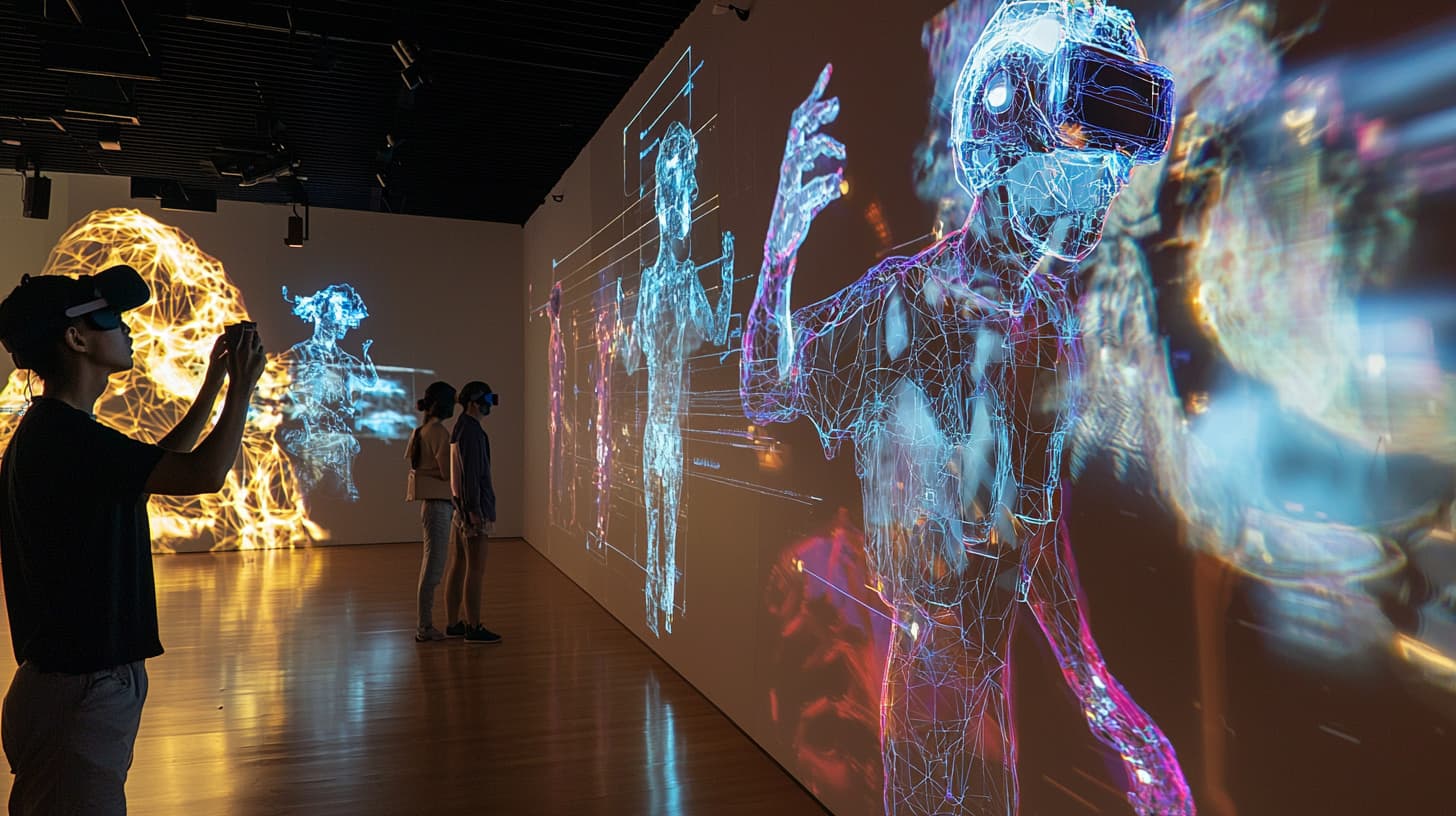
Stereoscopic image editing has become an essential skill in the realm of 3D visuals, bridging the gap between two-dimensional imagery and immersive three-dimensional experiences. As the demand for 3D content continues to rise across various industries—from entertainment and gaming to education and marketing—understanding how to manipulate stereoscopic images is more crucial than ever. This article delves into the technicalities and creative processes involved in mastering stereoscopic image editing, providing a roadmap for both beginners and seasoned professionals.
Understanding Stereoscopic Imagery
At its core, stereoscopic imagery involves creating the illusion of depth by presenting two offset images separately to the left and right eye of the viewer. This mimics the natural binocular vision of humans, where each eye perceives a slightly different view, allowing the brain to construct a single three-dimensional perception. Mastering this technique involves not just technical prowess but also an artistic understanding of how depth and perspective influence the viewer’s experience.
The Science Behind Stereoscopy
Stereoscopy is rooted in the principles of binocular vision. Each eye captures an image from a slightly different angle, and the brain processes these images to perceive depth. This concept is applied in stereoscopic image editing by aligning two images taken from slightly different viewpoints. The distance between these viewpoints is known as the interaxial distance, and it plays a critical role in determining the perceived depth in the final image.
Tools and Software for Stereoscopic Image Editing
Stereoscopic image editing requires specialized tools and software that can handle the complexities of 3D visualization. Several software packages are tailored to support stereoscopic editing, each offering unique features and capabilities.
Adobe After Effects
Adobe After Effects is a powerhouse for stereoscopic editing, providing robust tools for creating and manipulating 3D visuals. It includes features such as 3D camera tracking, which allows editors to integrate and synchronize stereoscopic images with existing footage seamlessly.
Autodesk Maya
Known for its strength in 3D modeling and animation, Autodesk Maya offers comprehensive support for stereoscopic workflows. Its ability to create complex 3D environments and render them in stereo makes it a preferred choice for professionals in film and gaming.
Blender
Blender, an open-source 3D creation suite, provides stereoscopic support and tools for editing and rendering 3D images. Its strong community and extensive documentation make it an accessible option for beginners looking to explore stereoscopic editing.
Techniques for Effective Stereoscopic Editing
Mastering stereoscopic editing involves more than just software proficiency; it requires a keen understanding of various techniques that enhance the 3D experience.
Convergence and Divergence
Convergence refers to the point where the left and right images meet to create the perception of depth. Proper convergence is crucial to avoid viewer discomfort and to ensure a realistic experience. Divergence, on the other hand, occurs when images diverge beyond a comfortable viewing range, often leading to eye strain. Balancing these factors is key to effective stereoscopic editing.
Parallax Manipulation
Parallax is the apparent displacement of objects when viewed from different angles. In stereoscopic editing, manipulating parallax is essential for controlling depth perception. Adjusting the parallax can enhance or diminish the sense of depth, allowing editors to guide the viewer’s focus and emphasize specific elements within the scene.
Depth Grading
Depth grading is the process of adjusting the depth and focus of elements within a stereoscopic image. This technique is used to create a more natural and comfortable viewing experience by ensuring that the depth cues align with the intended visual narrative. Effective depth grading involves careful consideration of both foreground and background elements.
Challenges in Stereoscopic Editing
Despite its potential, stereoscopic editing presents several challenges that editors must overcome to achieve high-quality results.
Viewer Comfort
Viewer comfort is paramount in stereoscopic editing. Poorly aligned images or excessive parallax can lead to discomfort or even headaches. Ensuring viewer comfort involves meticulous attention to the alignment and synchronization of stereoscopic images.
Ghosting and Crosstalk
Ghosting and crosstalk occur when images meant for one eye bleed into the other, resulting in a blurred or double image. Minimizing these artifacts requires precise calibration of the stereo setup and careful attention to the viewing environment and equipment.
Rendering Time and Resources
Stereoscopic rendering is resource-intensive, often requiring significant computational power and time. Optimizing the rendering process while maintaining high-quality results is a continuous challenge for editors and artists.
Applications of Stereoscopic Imaging
The applications of stereoscopic imaging extend beyond traditional media, offering innovative solutions across various fields.
Entertainment and Gaming
In entertainment and gaming, stereoscopic imaging enhances the immersive experience, allowing audiences to engage more deeply with the content. From blockbuster films to virtual reality games, 3D visuals add a new dimension to storytelling and interaction.
Education and Training
Stereoscopic imaging is increasingly used in education and training, providing interactive and engaging learning experiences. By visualizing complex concepts in 3D, educators can enhance comprehension and retention among learners.
Marketing and Advertising
In marketing and advertising, stereoscopic visuals attract attention and captivate audiences, making campaigns more memorable. The ability to showcase products and experiences in 3D offers a distinct competitive advantage in a crowded marketplace.
Conclusion
Mastering stereoscopic image editing is a multifaceted endeavor that combines technical expertise with artistic flair. As the demand for 3D visuals continues to grow, the ability to create compelling and comfortable stereoscopic experiences will become increasingly valuable. By understanding the principles of stereoscopy, leveraging the right tools, and employing effective editing techniques, artists and editors can push the boundaries of visual storytelling and deliver immersive experiences that captivate and engage audiences.






Post Comment