Unlocking Imagination: 3D Conceptual Photography Revolution
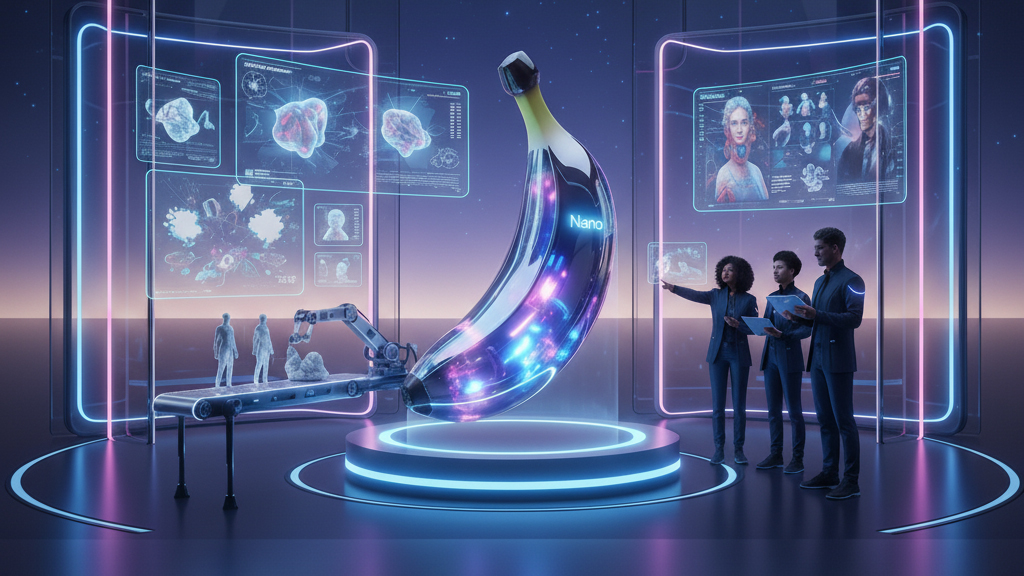
In the realm of digital artistry, the fusion of technology and creativity has given birth to an extraordinary form of expression—3D conceptual photography. This innovative approach is revolutionizing the way artists and audiences perceive and interact with visual content. By marrying the principles of traditional photography with cutting-edge 3D technology, artists are unlocking new dimensions of imagination, pushing the boundaries of what is possible in visual storytelling.
The Evolution of Photography
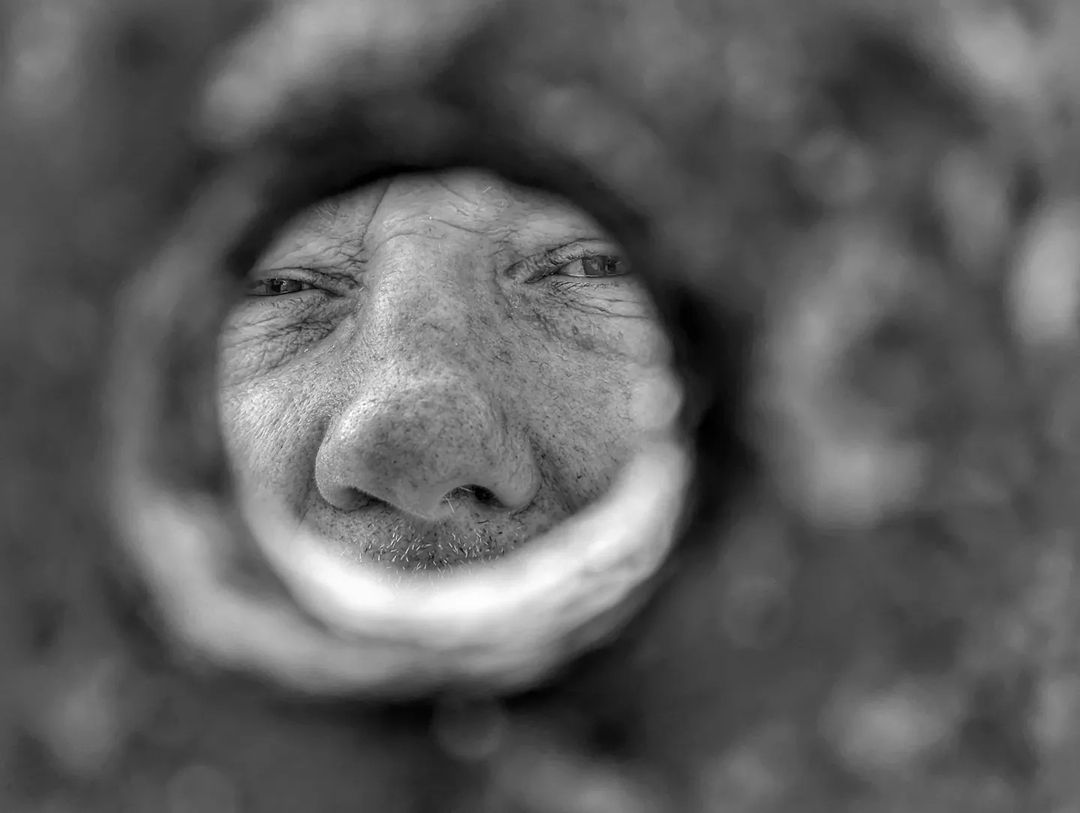
From its inception, photography has been a dynamic medium, constantly evolving to incorporate new technologies and ideas. The journey from black and white film to digital photography marked a significant transformation, allowing for more creative freedom and precision. However, the advent of 3D technology has catapulted photography into an entirely new dimension, transforming static images into immersive experiences.
The Rise of 3D Conceptual Photography
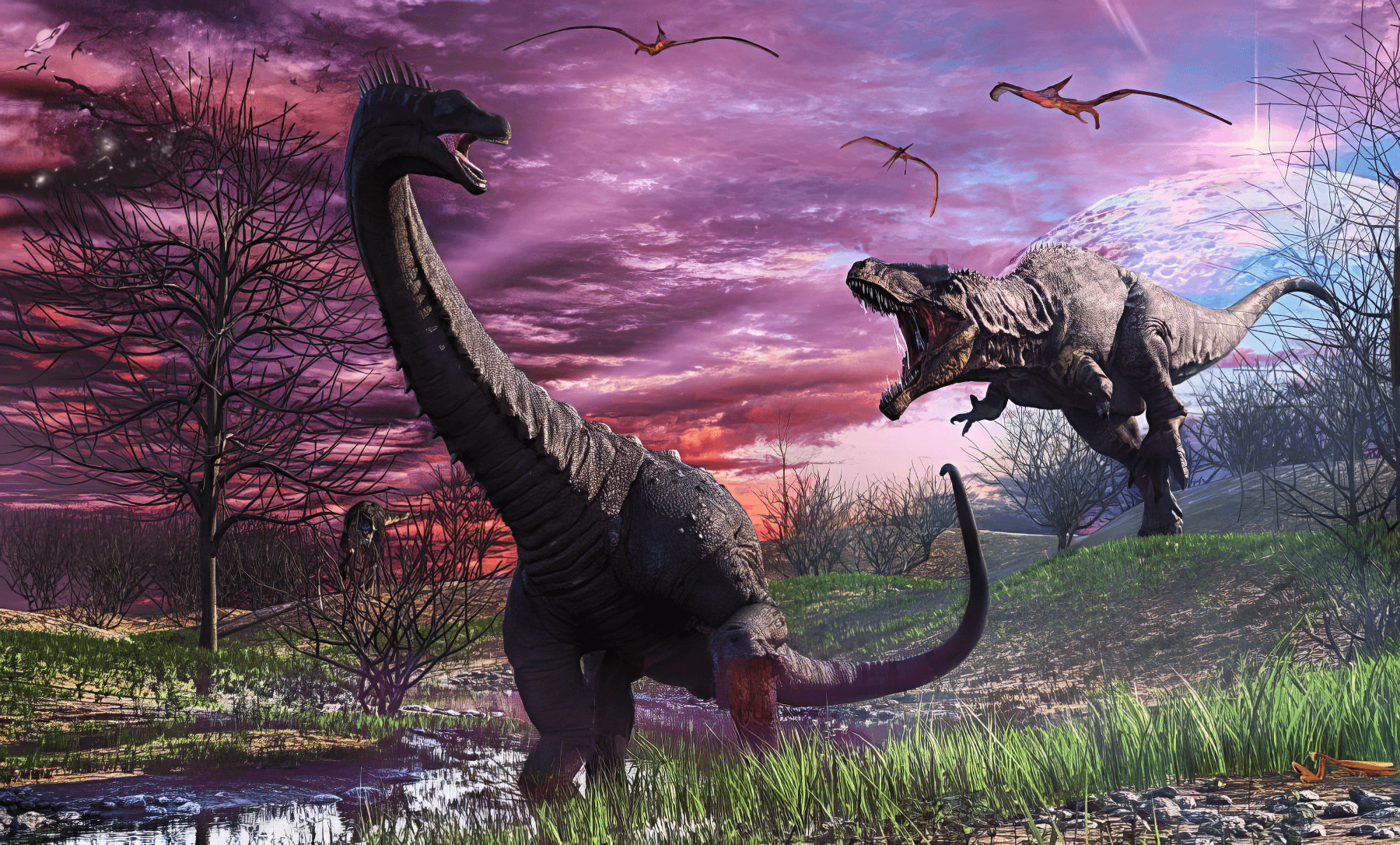
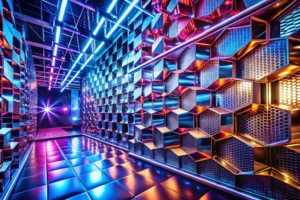
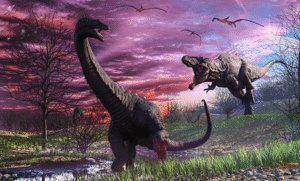
3D conceptual photography is a natural progression in the digital age, merging the real and virtual worlds to create compelling visual narratives. Unlike traditional photography, which captures a single frame of reality, 3D conceptual photography allows artists to build entire worlds from scratch. By utilizing 3D modeling software, photographers can create surreal landscapes, fantastical creatures, and intricate details that defy the laws of physics and reality.
Tools of the Trade
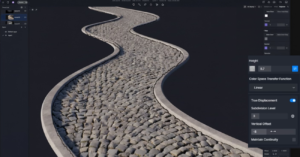
The tools available to 3D conceptual photographers are as varied as they are powerful. Software such as Blender, Autodesk Maya, and Cinema 4D provide robust platforms for creating 3D models and environments. Additionally, advancements in rendering technology, such as ray tracing and global illumination, have enhanced the realism and depth of 3D images, making them almost indistinguishable from real-world photographs.
The Creative Process
The creative process in 3D conceptual photography begins with an idea. Artists often draw inspiration from a wide range of sources, including literature, mythology, dreams, and personal experiences. Once an idea has taken shape, the artist begins the meticulous process of designing and modeling the 3D elements that will bring their vision to life.
After the models are created, the artist carefully crafts the composition, lighting, and textures to evoke the desired mood and atmosphere. This stage is akin to traditional photography, where the photographer must consider how light and shadow interact with the subject. However, in 3D conceptual photography, artists have complete control over every aspect of the scene, allowing for unparalleled creative expression.
Pushing the Boundaries of Imagination
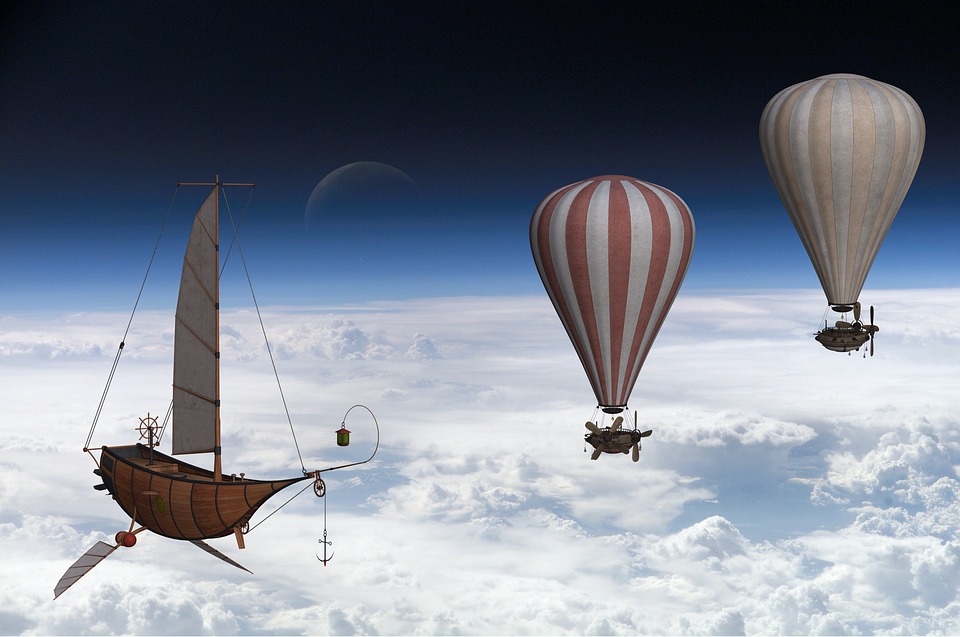
One of the most exciting aspects of 3D conceptual photography is its ability to challenge and expand the boundaries of imagination. Artists are no longer confined by the limitations of the physical world. They can create entirely new realities, blending elements of fantasy and reality to produce thought-provoking and emotionally resonant imagery. These artworks often invite viewers to question their perceptions, encouraging them to explore new perspectives and ideas.
Applications and Impact
The impact of 3D conceptual photography extends beyond the realm of art. Its applications are being explored across various industries, including advertising, film, gaming, and virtual reality. Brands are leveraging the power of 3D visuals to create captivating marketing campaigns that resonate with audiences on a deeper level. In the film industry, 3D conceptual photography is being used to design stunning visual effects and immersive environments that enhance storytelling.
Furthermore, the rise of virtual reality (VR) and augmented reality (AR) technologies has opened new avenues for 3D conceptual photography. Artists can now create fully immersive experiences, allowing viewers to step into their creations and interact with them in unprecedented ways. This intersection of technology and art is transforming how we experience and engage with visual content.
The Future of 3D Conceptual Photography
As technology continues to advance, the future of 3D conceptual photography looks incredibly promising. The integration of artificial intelligence (AI) and machine learning is poised to revolutionize the creative process, enabling artists to generate complex models and renderings with greater speed and precision. This will allow for even more intricate and detailed compositions, further blurring the lines between reality and imagination.
Moreover, as virtual and augmented reality become more mainstream, 3D conceptual photography is likely to play a pivotal role in shaping new forms of digital experiences. Artists will have the opportunity to create immersive worlds that transcend the limitations of traditional media, providing audiences with interactive and multisensory experiences that challenge their perceptions and expand their horizons.
Conclusion
In conclusion, 3D conceptual photography is unlocking new dimensions of creativity and imagination. By combining traditional photographic principles with cutting-edge technology, artists are forging new paths in visual storytelling. This revolutionary form of expression not only challenges the boundaries of what is possible but also invites audiences to explore new perspectives and engage with art in innovative ways. As technology continues to evolve, the potential for 3D conceptual photography is limitless, promising a future where imagination knows no bounds.
#ChatGPT assisted in the creation of this article.







Post Comment