Revolutionizing Fine Art: The Rise of 3D Photography
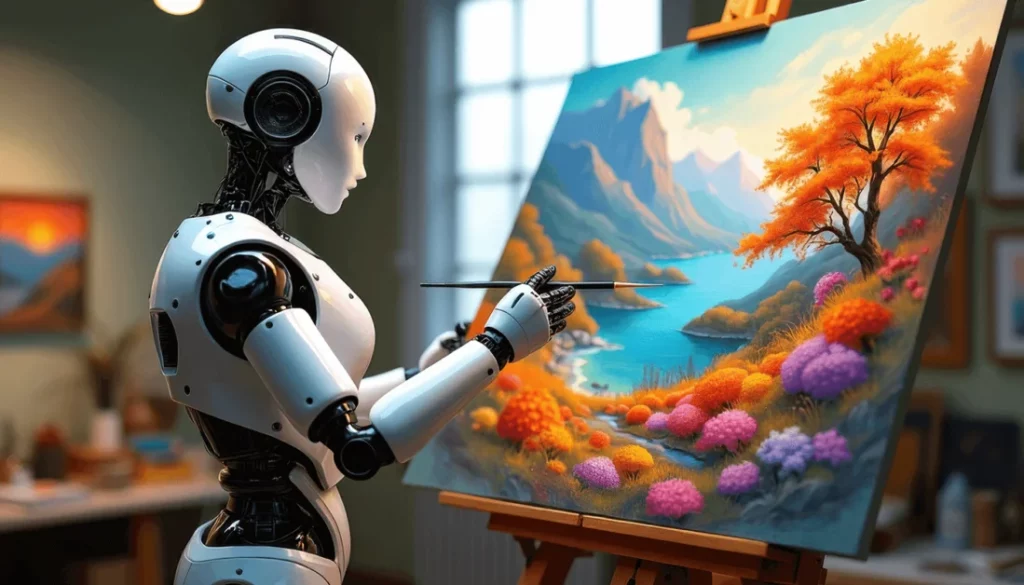
The realm of fine art has always been a dynamic field, consistently evolving to embrace new technologies and methodologies. From the brushstrokes of the Renaissance to the abstract forms of modernism, each era has redefined what art can be. In recent years, a groundbreaking innovation has emerged, poised to transform the landscape of fine art yet again: 3D photography. This cutting-edge technology is revolutionizing the way artists create, view, and engage with visual art, offering a new dimension to the artistic experience.
The Evolution of Photography
To understand the significance of 3D photography, it is essential to trace the evolution of photography itself. Since its inception in the early 19th century, photography has undergone numerous transformations. From the daguerreotypes of the 1830s to the digital revolution of the late 20th century, each advancement has expanded the possibilities for photographers and artists alike.
Traditional photography captures a scene from a single perspective, translating a three-dimensional world onto a two-dimensional plane. While this approach has produced countless masterpieces, it inherently limits the viewer’s experience to a fixed viewpoint. The advent of 3D photography addresses this limitation, offering a more immersive and interactive experience.
What is 3D Photography?
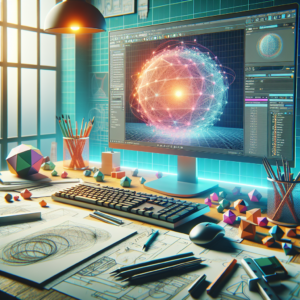
3D photography, also known as stereoscopic photography, involves capturing images from multiple angles to create a sense of depth and dimensionality. This is achieved through various techniques, such as photogrammetry, stereoscopy, and volumetric capturing. By compiling these images, artists can produce a composite that allows viewers to perceive depth and spatial relationships in ways that traditional photography cannot.
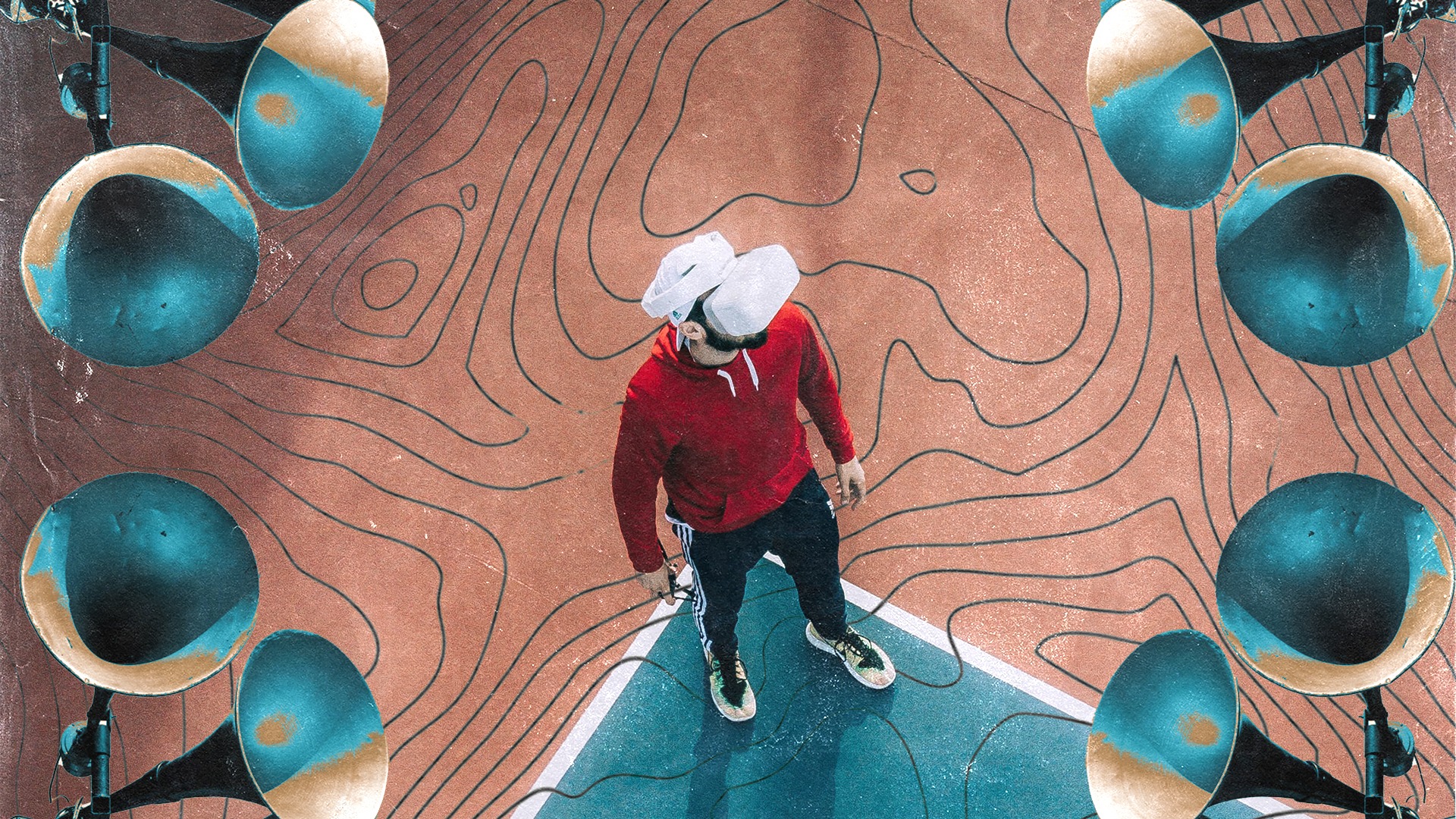
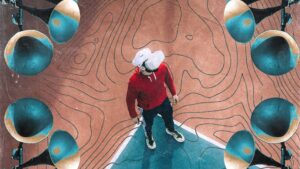
The resultant images can be viewed using specialized equipment, such as VR headsets or 3D glasses, or displayed on screens capable of rendering 3D content. This immersive experience brings viewers closer to the subject, allowing them to explore and interact with the artwork in novel ways.
The Impact on Fine Art
Redefining Artistic Expression
The integration of 3D photography into fine art has opened up new avenues for artistic expression. Artists can now manipulate depth, perspective, and form with unprecedented freedom. This technology allows for the creation of hyper-realistic representations, abstract interpretations, and everything in between.
For instance, artists can create installations that engage viewers from multiple angles, inviting them to move around and explore the work. This dynamic interaction between the artwork and the audience blurs the line between creation and consumption, making the viewer an active participant in the artistic process.
Expanding Accessibility
In addition to enhancing artistic expression, 3D photography expands accessibility to fine art. Traditional art forms often require physical presence, limiting access to those who can visit galleries or museums. 3D photography, however, can be experienced virtually, making it possible for individuals around the world to engage with art without geographical constraints.
Virtual galleries and online exhibitions are becoming increasingly popular, offering artists a global platform to showcase their work. This democratization of art access encourages diversity and inclusivity within the art community, allowing a broader range of voices and perspectives to be heard.
Preservation and Restoration
3D photography also plays a crucial role in the preservation and restoration of fine art. By creating detailed 3D models of artworks, conservators can analyze and assess the condition of pieces without physical intervention. This non-invasive approach minimizes the risk of damage during restoration processes.
Furthermore, 3D models serve as digital archives, preserving the artwork for future generations. In the event of damage or deterioration, these models can assist in accurate restoration efforts, ensuring that valuable cultural heritage is not lost to time.
Challenges and Considerations
Despite its transformative potential, the rise of 3D photography in fine art is not without challenges. The technology requires specialized equipment and expertise, which may pose a barrier to entry for some artists. Additionally, the digital nature of 3D photography raises questions about the authenticity and originality of artworks.
Artists must navigate these challenges while balancing the technical demands of 3D photography with their creative vision. Moreover, as with any digital medium, issues related to copyright and intellectual property must be addressed to protect artists’ rights and ensure fair use of their creations.
The Future of 3D Photography in Fine Art
As technology continues to advance, the potential applications of 3D photography in fine art are boundless. Emerging technologies, such as augmented reality (AR) and artificial intelligence (AI), are likely to further enhance the capabilities of 3D photography, offering even more immersive and interactive experiences.
Artists will continue to experiment with these tools, pushing the boundaries of what is possible in the realm of fine art. As the medium evolves, it will undoubtedly inspire new forms of creativity and innovation, reshaping the artistic landscape for years to come.
Conclusion
The rise of 3D photography marks a significant milestone in the evolution of fine art. By offering new dimensions of depth, interactivity, and accessibility, this technology is revolutionizing the way we create and experience art. As artists and audiences alike embrace the possibilities of 3D photography, the future of fine art promises to be more dynamic, inclusive, and innovative than ever before.
In this rapidly changing landscape, one thing remains certain: the power of art to inspire, provoke, and connect us transcends any medium. As 3D photography continues to redefine the boundaries of artistic expression, it invites us all to see the world through a new lens—one that captures the beauty and complexity of life in three dimensions.







Post Comment