Revolutionizing Art: The Future of 3D Visual Creations
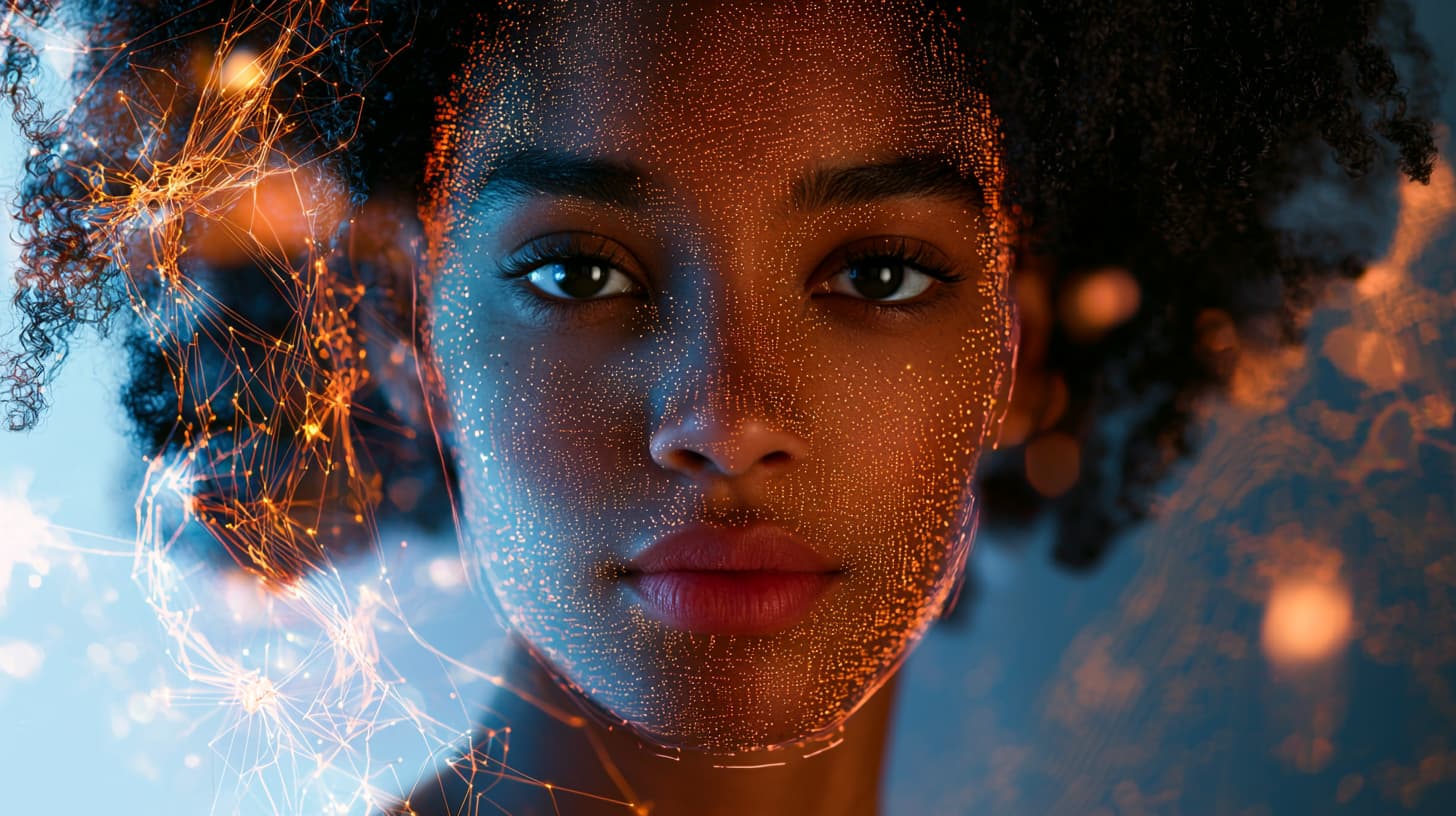
In recent years, the intersection of technology and art has given rise to revolutionary changes in how we create and perceive visual aesthetics. Among these advancements, 3D visual creations stand out as a transformative force, reshaping traditional art forms and opening new avenues for artistic expression. This article explores the future of 3D visual creations and their impact on the art world, emphasizing the technological innovations driving this evolution and the potential they hold for artists and audiences alike.
The Evolution of 3D Visual Arts
The journey of 3D visual arts began with rudimentary computer-generated imagery (CGI) techniques in the latter half of the 20th century. However, it was not until the advent of powerful graphic processing units (GPUs) and sophisticated software that 3D art began to flourish. Today, artists leverage cutting-edge tools like Blender, Maya, and Unreal Engine to create stunningly realistic and imaginative works that were once confined to the realms of science fiction.
Technological Innovations Paving the Way
Virtual Reality and Augmented Reality
Virtual Reality (VR) and Augmented Reality (AR) are two of the most significant technological innovations transforming 3D visual arts. VR allows artists to immerse viewers in fully realized three-dimensional environments, creating experiences that transcend the limitations of traditional media. AR, on the other hand, overlays digital content onto the real world, providing artists with the ability to blend physical and virtual realms seamlessly.
Artificial Intelligence and Machine Learning
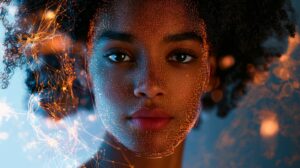
Artificial Intelligence (AI) and Machine Learning (ML) are redefining the creative process by enabling artists to generate complex visual patterns and effects that were previously unattainable. AI-driven tools can assist in everything from procedural content generation to style transfer, allowing artists to focus on conceptual elements rather than technical details. The integration of AI in 3D visual arts is not only enhancing productivity but also expanding the boundaries of creativity.
3D Printing
3D printing technology is bridging the gap between digital and physical art forms. Artists can now transform their virtual 3D models into tangible objects, offering new possibilities for sculpture and installation art. This technology enables the creation of intricate designs with precision and efficiency, making it an invaluable tool for contemporary artists seeking to explore the physical potential of their digital creations.
Impact on Traditional Art Forms
The rise of 3D visual creations is having a profound impact on traditional art forms. Painters, sculptors, and illustrators are increasingly incorporating digital techniques into their work, resulting in a hybridization of styles that blur the lines between digital and analog art. This convergence is not only revitalizing traditional art forms but also attracting a new generation of artists who are inspired by the limitless possibilities offered by 3D technologies.
Transformation of Exhibition Spaces
Exhibition spaces are evolving in response to the growing prominence of 3D visual arts. Museums and galleries are incorporating interactive installations and VR experiences to engage audiences in novel ways. These immersive exhibitions challenge conventional notions of art appreciation, encouraging viewers to actively participate in the artistic narrative rather than passively observe.
Redefining the Role of the Artist
The integration of 3D technologies is redefining the role of the artist in the creative process. Artists are becoming more like directors or architects, orchestrating complex digital ecosystems rather than producing singular static works. This shift requires a new skill set, combining technical proficiency with artistic intuition, and is fostering a collaborative approach where artists, engineers, and designers work together to bring visionary concepts to fruition.
The Future of 3D Visual Creations
Expanding Accessibility and Inclusivity
As 3D technology becomes more accessible, it is democratizing the art world, allowing individuals from diverse backgrounds to engage with and contribute to the evolution of visual arts. Open-source software, affordable hardware, and online platforms are empowering emerging artists to experiment with 3D creations without significant financial barriers. This democratization is fostering a more inclusive artistic community, where diverse voices and perspectives are represented.
New Avenues for Storytelling
3D visual creations are opening new avenues for storytelling, allowing artists to craft intricate narratives that unfold within immersive environments. This capability is transforming not only the art world but also industries like gaming, film, and advertising. As technology continues to advance, we can expect even richer and more complex narratives to emerge, captivating audiences and redefining how stories are told and experienced.
Sustainability and Environmental Impact
The future of 3D visual creations also holds promise for sustainability. Digital art reduces the need for physical materials, minimizing waste and environmental impact. Moreover, 3D printing allows for the precise use of resources, leading to more sustainable production processes. As artists and creators become more conscious of their ecological footprint, 3D technologies provide a viable path towards more sustainable artistic practices.
Challenges and Considerations
Despite the exciting prospects, the rise of 3D visual creations presents certain challenges and considerations. Intellectual property issues, the digital divide, and the need for continuous education and adaptation are some of the hurdles that artists and the industry must address. Ensuring ethical practices and fostering a supportive environment for innovation are crucial to realizing the full potential of 3D visual arts.
Conclusion
The future of 3D visual creations is a dynamic and evolving landscape that promises to revolutionize the art world. With technological innovations driving new possibilities, artists are poised to explore uncharted territories of creativity and expression. As we embrace this exciting future, it is essential to foster an inclusive, sustainable, and ethical environment that nurtures the growth of 3D visual arts, ensuring that this revolution in art benefits creators and audiences alike.




Post Comment