Mastering 3D Photorealism: Techniques for Stunning Visuals
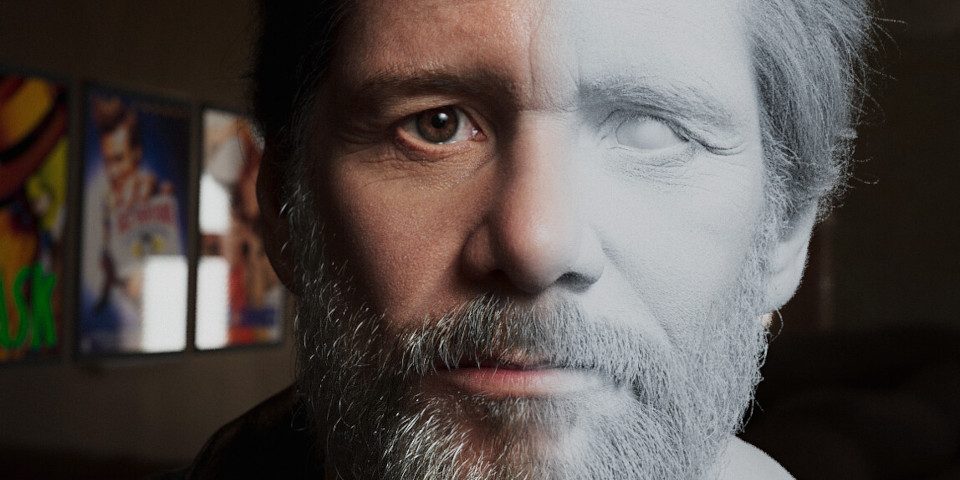
In recent years, 3D photorealism has emerged as a pivotal innovation in the fields of visual arts and digital technology. This technique strives to blur the line between real-world photography and computer-generated imagery (CGI), producing visuals so lifelike that they are indistinguishable from actual photographs. Achieving photorealism in 3D graphics is a challenging yet rewarding endeavor that requires a combination of technical skills, artistic intuition, and a deep understanding of the principles of light and materials. In this article, we will explore the essential techniques and strategies involved in mastering 3D photorealism.
Understanding Photorealism
Photorealism in 3D graphics involves creating digital images that are visually indistinguishable from photographs. This process demands meticulous attention to detail, from modeling and texturing to lighting and rendering. The goal is to ensure that every element within the scene looks credible and interacts with light in a realistic manner. Mastering photorealism requires not only technical proficiency but also an artistic eye for detail and composition.
The Importance of Reference
Using high-quality reference images is crucial when aiming for photorealism. References provide a benchmark for how objects and materials should appear under various lighting conditions. They guide the artist in replicating real-world imperfections, such as scratches, dust, and subtle variations in surface texture, which are essential for achieving a realistic look.
Modeling for Photorealism
Creating a highly detailed and accurate 3D model is the foundation of photorealistic rendering. The more detailed the model, the more convincing the final image will be. Attention to small details, such as the curve of a surface or the stitching on a piece of fabric, can significantly enhance the realism of the model.
Precision and Detail
When modeling for photorealism, precision is key. Artists must focus on capturing intricate details and ensuring that the geometry accurately reflects the real-world object. This involves using techniques such as subdivision modeling to create smooth, high-resolution meshes that can easily be manipulated to capture fine details.
Efficient Use of Polygons
While detail is crucial, it’s also important to manage the number of polygons in a scene to ensure efficient rendering. Artists often employ techniques like normal mapping or displacement mapping to add detail without significantly increasing the polygon count. These techniques simulate surface details by manipulating light and shadow, enhancing realism without compromising performance.
Texturing Techniques
Once a model is complete, texturing adds the necessary color, patterns, and surface details needed to bring it to life. Photorealistic texturing involves creating realistic materials that respond accurately to lighting and camera angles.
PBR Texturing
Physically-Based Rendering (PBR) is a texturing workflow that uses real-world parameters to achieve realistic results. PBR materials are defined by properties such as albedo, roughness, and metallicity, which determine how they interact with light. This approach ensures consistent and lifelike rendering across different lighting environments.
Using High-Resolution Textures
High-resolution textures are essential for achieving photorealism. They provide the detail necessary for close-up shots and intricate surface features. Artists often use a combination of diffuse, bump, specular, and normal maps to create rich, textured surfaces that enhance the illusion of depth and realism.
Lighting for Realism
Lighting is one of the most critical elements in achieving photorealism. The way light interacts with objects and materials can dramatically affect the perceived realism of a scene.
Global Illumination
Global illumination (GI) is a technique used to simulate the natural behavior of light in a scene. It accounts for indirect lighting—light that bounces off surfaces and illuminates other parts of the scene. GI adds depth and realism by mimicking how light behaves in the real world.
HDRI Lighting
High Dynamic Range Imaging (HDRI) is a lighting technique that uses 360-degree photographic images to illuminate a 3D scene. HDRIs provide realistic lighting and reflections based on real-world environments, creating a natural and immersive look. This technique is especially useful for integrating 3D models into photographic backgrounds seamlessly.
Shadows and Ambient Occlusion
Properly rendered shadows are vital for grounding objects in the scene and adding realism. Ambient occlusion (AO) is a shading method that enhances the perception of depth by simulating the subtle shadows that occur in crevices and corners where light is occluded. Combining AO with detailed shadow maps can significantly enhance the photorealism of a scene.
Rendering Techniques
Rendering is the process of generating the final image from a 3D scene. It involves calculating the interactions of light and materials to produce a realistic representation.
Path Tracing
Path tracing is a rendering technique that simulates the way light paths travel in the real world. It calculates the color of each pixel by tracing the path of light as it bounces around the scene, capturing complex interactions between light and materials. This method produces highly realistic images with accurate lighting and shadows, but it can be computationally intensive.
Render Optimization
Photorealistic rendering can be resource-intensive, so optimizing the rendering process is crucial. Techniques such as denoising, adaptive sampling, and utilizing render farms can help reduce render times while maintaining high-quality results. Balancing quality and efficiency ensures that photorealistic projects are completed within reasonable time frames.
Post-Processing for Final Touches
After rendering, post-processing can enhance the final image, adding polish and depth to the visual. Techniques such as color grading, depth of field, and motion blur are often applied to achieve a cinematic and polished look.
Color Grading
Color grading involves adjusting the colors and tones of the rendered image to achieve a specific mood or style. This process can enhance the visual impact and help unify the elements within the scene. Adjustments to contrast, saturation, and color balance can transform the image from good to stunning.
Depth of Field and Motion Blur
Depth of field and motion blur are effects that mimic the behavior of real-world cameras. Depth of field refers to the sharpness of objects at different distances from the camera, while motion blur simulates the streaking of moving objects. These effects add realism and focus to the image, guiding the viewer’s eye and enhancing the sense of depth and motion.
Conclusion
Mastering 3D photorealism is a multifaceted endeavor that combines technical skill, artistic vision, and attention to detail. By understanding the principles of modeling, texturing, lighting, rendering, and post-processing, artists can create stunning visuals that captivate viewers and push the boundaries of what’s possible in digital art. As technology continues to advance, the potential for achieving ever-greater levels of realism in 3D graphics is limitless, offering exciting opportunities for artists and creators to explore.









Post Comment