Unleashing Imagination: Inspirational 3D Image Masterpieces
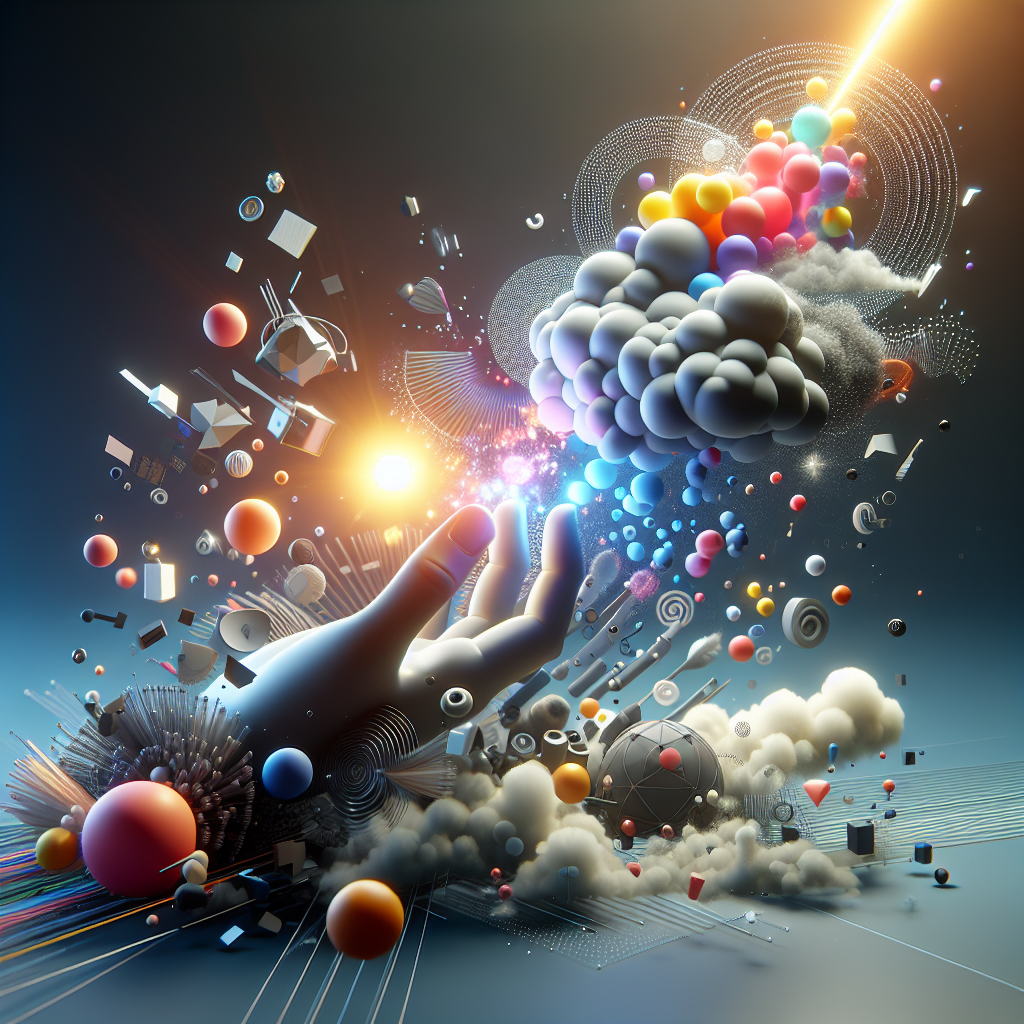
In the realm of digital creativity, 3D visuals have emerged as a revolutionary force, transforming the way we perceive and interact with visual content. From awe-inspiring landscapes to fantastical creatures, the power of 3D imagery lies in its ability to blur the line between reality and imagination. This article delves into the world of inspirational 3D image masterpieces, exploring the techniques, tools, and visionary artists that make these creations possible.
The Evolution of 3D Art
The journey of 3D art began several decades ago, with humble beginnings in the fields of engineering and architecture. Early 3D models were primarily used for simulations and technical illustrations. However, as technology advanced, so did the artistic potential of 3D visuals. Today, 3D art is a dynamic and multifaceted discipline, encompassing everything from animation and film to virtual reality and interactive media.
The Role of Technology
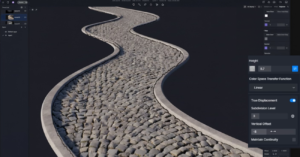
The evolution of 3D art is inextricably linked to technological advancements. Powerful graphics processing units (GPUs) enable artists to render complex scenes with stunning detail, while sophisticated software offers tools for modeling, texturing, and animation. Programs like Blender, Maya, and Cinema 4D have become industry standards, empowering artists to push the boundaries of their creativity.
Artistic Techniques
Creating a 3D masterpiece involves a blend of artistic intuition and technical skill. Artists must master techniques such as modeling, which involves crafting a digital representation of an object, and texturing, which adds color and surface detail. Lighting plays a crucial role in setting the mood and atmosphere, while rendering transforms the digital model into a polished final image. Each step requires a keen eye for detail and a deep understanding of how elements interact within a 3D space.
The Power of Imagination
At its core, 3D art is a testament to the power of human imagination. It allows artists to visualize worlds that exist beyond the constraints of reality, offering viewers a glimpse into the fantastical and the surreal.
Creating New Worlds
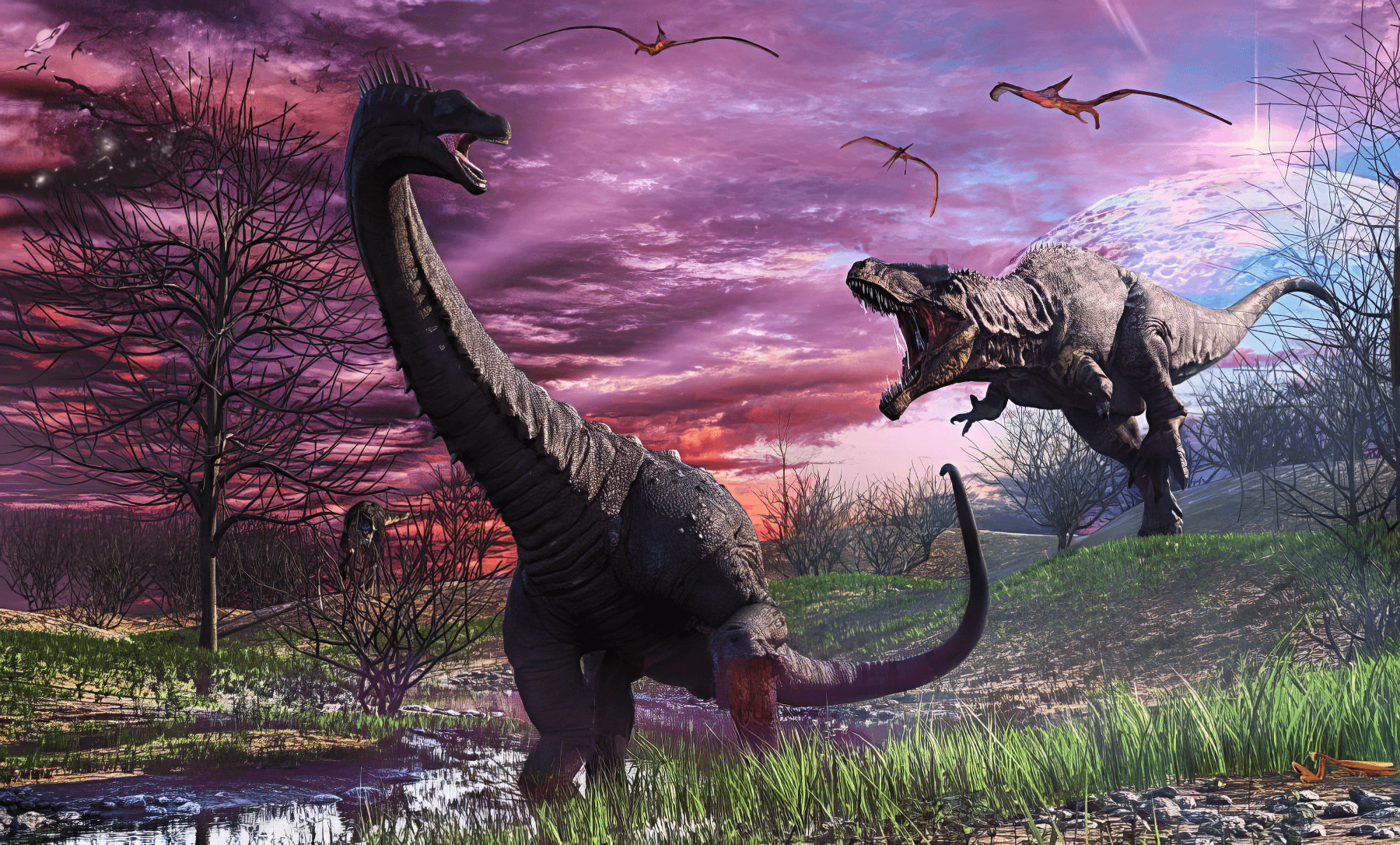
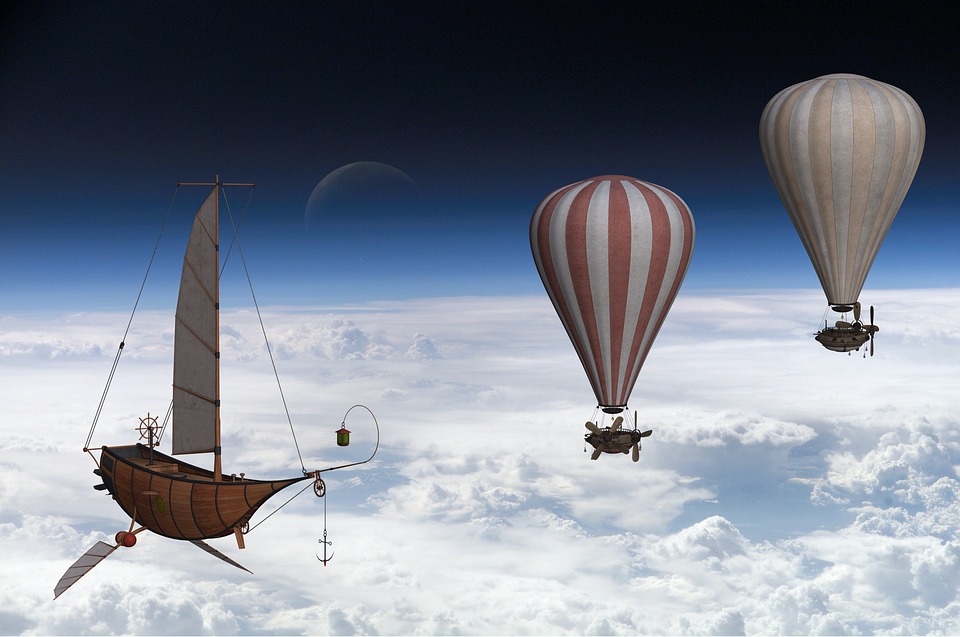
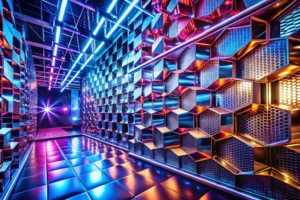
One of the most captivating aspects of 3D art is its ability to transport viewers to entirely new worlds. Artists can construct intricate landscapes, from lush alien jungles to sprawling futuristic cities. These imagined environments serve as a canvas for storytelling, inviting viewers to explore and engage with the narrative.
Characters that Captivate
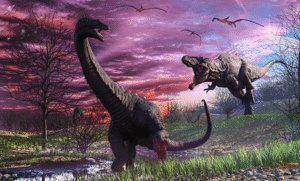
In addition to creating immersive environments, 3D artists excel at bringing characters to life. Through meticulous attention to detail, they craft beings that resonate with viewers on an emotional level. Whether it’s a whimsical creature from a fantasy realm or a hyper-realistic human figure, these characters become the heart of the visual story, captivating audiences with their depth and complexity.
Inspirational Masterpieces
The world of 3D art is rich with examples of masterpieces that inspire and captivate. These works serve as a testament to the creativity and innovation of contemporary artists.
Iconic Creations
Certain 3D artworks have achieved iconic status, leaving an indelible mark on the art world. Consider the intricate architectural designs of Beeple, whose digital landscapes merge dystopian and utopian elements in a thought-provoking commentary on modern society. Another notable example is the work of ZBrush artist Rafael Grassetti, known for his hyper-realistic character models that blur the line between digital and organic.
Emerging Talents
While established artists continue to push the boundaries of 3D art, a new generation of talent is emerging, bringing fresh perspectives and innovative techniques to the field. Platforms like ArtStation and DeviantArt serve as incubators for these artists, providing a space to showcase their work and connect with a global audience. As these artists experiment with new styles and concepts, they contribute to the ever-evolving landscape of 3D art.
The Impact of 3D Art
Beyond its aesthetic appeal, 3D art has a profound impact on various industries and aspects of our lives.
Entertainment Industry
The entertainment industry has embraced 3D art with open arms, utilizing it in everything from blockbuster films to video games. 3D animation has revolutionized the way stories are told, allowing filmmakers to create visually stunning and emotionally resonant narratives. In gaming, 3D models and environments provide players with immersive experiences that enhance gameplay and storytelling.
Education and Training
3D visuals are also playing a transformative role in education and training. In fields such as medicine and engineering, 3D models serve as invaluable tools for teaching complex concepts. Virtual reality simulations offer students the opportunity to explore environments and scenarios that would be impossible to replicate in the physical world, enhancing their understanding and engagement.
Marketing and Advertising
In the realm of marketing, 3D art is becoming an essential tool for creating compelling and memorable campaigns. Brands are leveraging 3D visuals to showcase products in innovative ways, allowing consumers to interact with and experience items before making a purchase. This immersive approach not only captures attention but also builds a deeper connection between brands and their audiences.
The Future of 3D Art
As technology continues to advance, the future of 3D art is bright and full of possibilities. Emerging technologies such as augmented reality (AR) and artificial intelligence (AI) are poised to further expand the capabilities of 3D artists.
Augmented Reality
Augmented reality is set to revolutionize the way we experience 3D art. By overlaying digital elements onto the real world, AR offers a new dimension of interactivity and engagement. Artists can create installations that blend seamlessly with physical environments, allowing viewers to experience art in entirely new ways.
Artificial Intelligence
Artificial intelligence is also making waves in the world of 3D art. AI algorithms can assist artists in generating complex textures, automating repetitive tasks, and even inspiring new creative directions. With AI as a collaborative partner, artists can explore new frontiers of creativity and efficiency.
Conclusion
The world of 3D art is a vibrant tapestry woven from imagination, technology, and artistic skill. As artists continue to push the boundaries of what’s possible, they inspire us to see the world through a new lens and embrace the boundless potential of creativity. Whether through awe-inspiring landscapes, captivating characters, or innovative applications, 3D image masterpieces invite us to unleash our own imaginations and explore the extraordinary possibilities that lie within the digital realm.







Post Comment