Revolutionize Your Filmmaking with a 3D Camera Rig
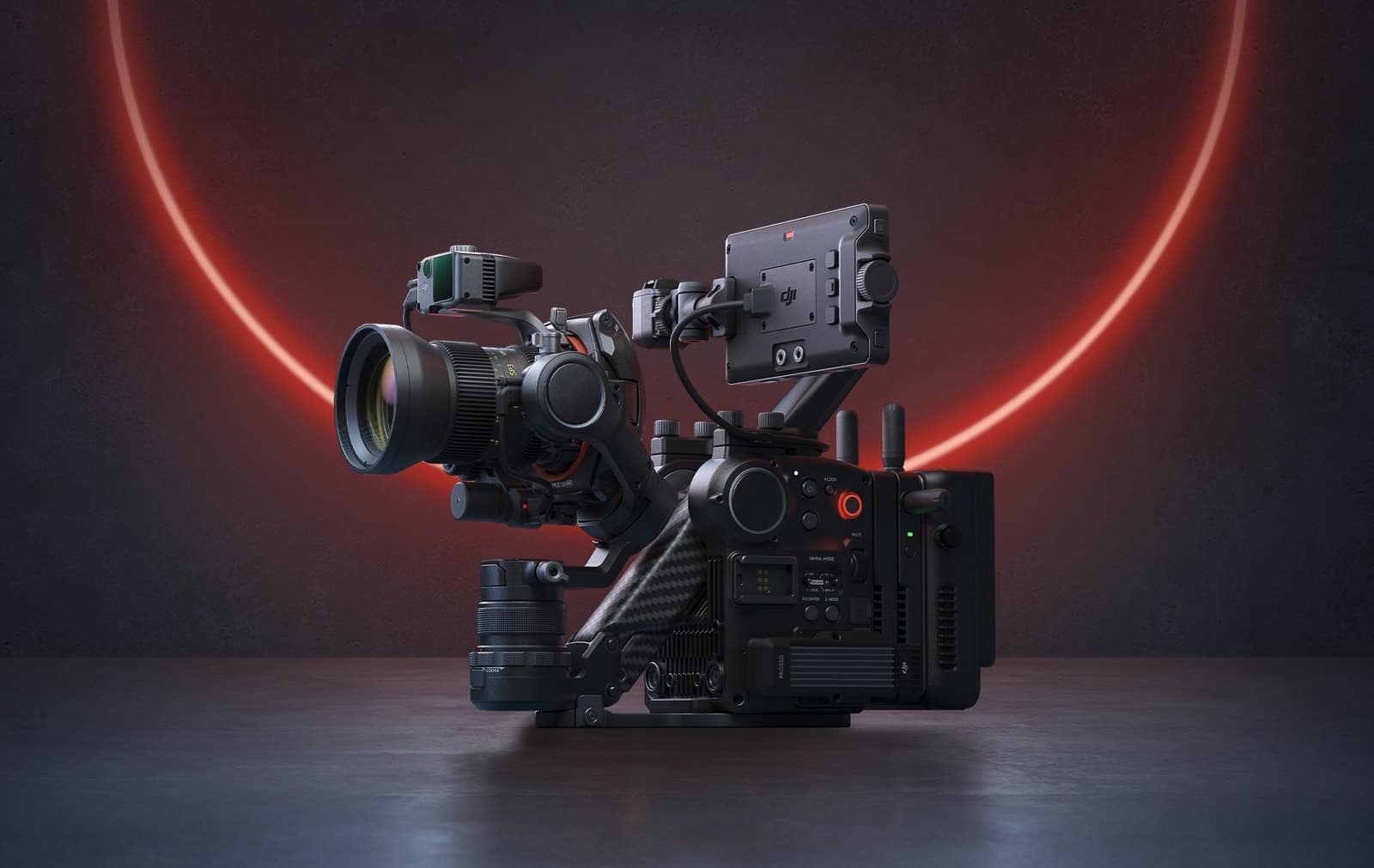
In the ever-evolving world of filmmaking, staying ahead of the curve is essential for both amateur and professional filmmakers. With technological advancements occurring at a rapid pace, one of the most exciting developments in recent years is the rise of 3D camera rigs. These innovative tools have the potential to revolutionize the way stories are told on screen, offering audiences a more immersive viewing experience. In this article, we will explore how 3D camera rigs can elevate your filmmaking, the technology behind them, and tips for integrating them into your production process.
The Technology Behind 3D Camera Rigs
At the core of 3D filmmaking is stereoscopic imaging, a technique that mimics human binocular vision by capturing two slightly offset images. These images are then combined to create the illusion of depth, allowing viewers to perceive a scene in three dimensions. A 3D camera rig typically consists of two cameras mounted side by side, each capturing one of the two images required for the stereoscopic effect.
Advanced 3D camera rigs may include features such as adjustable interaxial distance, which allows filmmakers to control the separation between the cameras for different effects; convergence control, which adjusts the angle at which the cameras are pointed; and sophisticated synchronization systems to ensure both cameras capture footage simultaneously. These features allow for precise manipulation of the 3D effect, enabling filmmakers to tailor the depth and perspective to suit their creative vision.
Advantages of Using a 3D Camera Rig
Immersive Storytelling
One of the most significant advantages of using a 3D camera rig is the ability to create a more immersive storytelling experience. By adding depth to the visual narrative, filmmakers can draw viewers deeper into the story, allowing them to feel as though they are part of the scene. This heightened sense of immersion can lead to a more emotional and engaging experience, making the story more impactful.
Enhanced Visuals
3D camera rigs can also dramatically enhance the visual appeal of a film. The added dimension can make scenes more dynamic and visually striking, bringing new life to landscapes, action sequences, and special effects. This can be particularly beneficial in genres such as science fiction, fantasy, and adventure, where visual spectacle plays a crucial role in storytelling.
Competitive Edge
With the increasing popularity of 3D films among audiences, incorporating 3D technology into your projects can give you a competitive edge in the industry. By offering something unique and technologically advanced, you can attract a wider audience and potentially increase the commercial success of your films. Furthermore, as the technology becomes more accessible, early adopters are likely to stand out as pioneers in the field.
Overcoming Challenges in 3D Filmmaking
While 3D filmmaking offers numerous benefits, it also presents unique challenges that filmmakers must navigate. Understanding these challenges and how to overcome them is crucial to successfully integrating a 3D camera rig into your filmmaking process.
Technical Considerations
One of the primary challenges in 3D filmmaking is managing the technical complexity of the equipment. Setting up and calibrating a 3D camera rig requires a thorough understanding of stereoscopic principles and careful attention to detail. Filmmakers must ensure that both cameras are perfectly aligned, synchronized, and adjusted to achieve the desired 3D effect. Investing time in learning these technical skills or collaborating with experienced professionals can help mitigate potential issues.
Post-Production Complexity
The post-production process for 3D films can be more complex and time-consuming than for traditional 2D projects. Editing 3D footage requires specialized software and expertise to ensure that the stereoscopic effect is preserved and optimized. Additionally, visual effects and color grading must be carefully managed to maintain consistency across both images. Collaborating with post-production experts and utilizing advanced software tools can help streamline this process.
Viewer Comfort
Another challenge in 3D filmmaking is ensuring viewer comfort. Poorly executed 3D effects can lead to discomfort or even nausea for audiences. To avoid this, filmmakers must pay close attention to factors such as interaxial distance, convergence, and parallax, ensuring that the 3D effect is subtle and natural. Test screenings and feedback from viewers can provide valuable insights into the comfort and effectiveness of the 3D experience.
Tips for Integrating a 3D Camera Rig into Your Filmmaking
For filmmakers looking to embrace 3D technology, there are several key considerations and best practices to keep in mind. By following these tips, you can ensure a smooth and successful integration of a 3D camera rig into your production workflow.
Plan Your Shots Carefully
When working with a 3D camera rig, careful planning is essential. Consider the 3D effect you want to achieve for each scene and plan your shots accordingly. Think about how the added depth will enhance the storytelling and visual impact of your film. Storyboarding and pre-visualization can be valuable tools for visualizing and planning your 3D shots.
Invest in Quality Equipment
Investing in high-quality 3D camera equipment is crucial for achieving professional results. Look for rigs and cameras that offer precise control over interaxial distance, convergence, and synchronization. Additionally, ensure that your equipment is compatible with the software and post-production tools you plan to use. While quality equipment may require a significant investment, the improved results can be well worth the cost.
Collaborate with Experts
Working with experienced professionals who specialize in 3D filmmaking can greatly enhance the quality of your project. Consider hiring a stereographer, a professional who specializes in capturing 3D images, to assist with the technical aspects of your production. Additionally, collaborating with skilled post-production experts can help ensure that the final product meets your creative vision and technical standards.
Experiment and Innovate
3D filmmaking is an evolving field with vast potential for innovation. Don’t be afraid to experiment with different techniques and approaches to discover what works best for your project. Whether it’s pushing the boundaries of stereoscopic effects or finding new ways to integrate 3D into your storytelling, embracing experimentation can lead to exciting and groundbreaking results.
Conclusion
As the filmmaking landscape continues to evolve, embracing new technologies like 3D camera rigs can set you apart as a forward-thinking and innovative filmmaker. By leveraging the power of 3D technology, you can create more immersive, visually stunning, and emotionally engaging films that captivate audiences and stand out in a competitive industry. While there are challenges to overcome, the benefits of incorporating a 3D camera rig into your filmmaking process are undeniable. By planning carefully, investing in quality equipment, collaborating with experts, and embracing experimentation, you can revolutionize your filmmaking and take your creative vision to new heights.







Post Comment