Discover the Best 3D Camera for Stunning Visuals
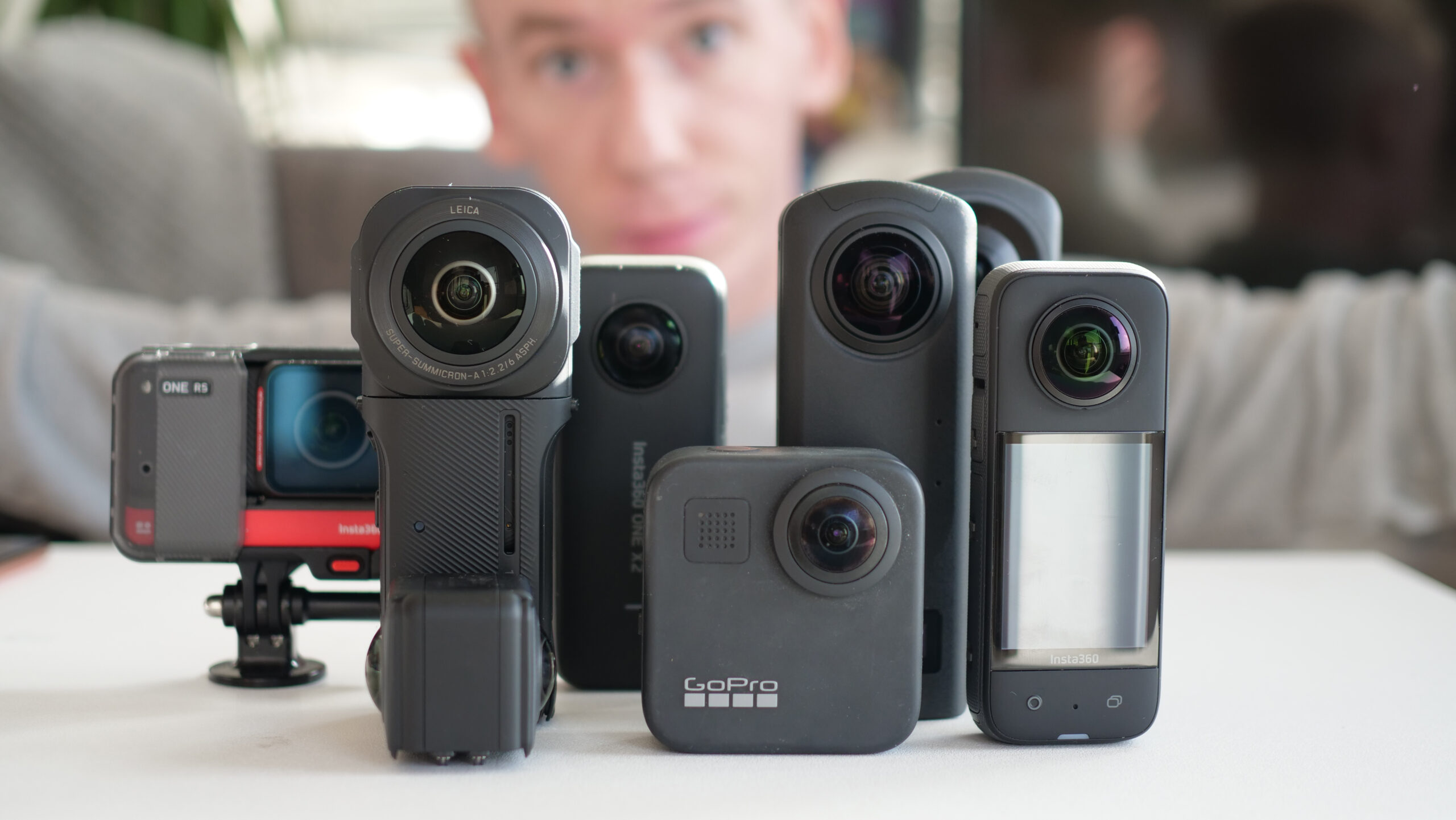
The realm of photography and videography has been revolutionized by the advent of 3D cameras. These innovative devices capture images and videos in three dimensions, providing depth and realism that traditional 2D cameras cannot. As the demand for immersive content grows across industries—from entertainment to virtual reality and beyond—finding the best 3D camera that meets your needs becomes increasingly important.
Understanding 3D Technology
To truly appreciate what makes a great 3D camera, one must first understand the underlying technology. 3D cameras work by mimicking human binocular vision, using two or more lenses to capture images from slightly different angles. This data is then processed to create a stereoscopic effect, giving the viewer a sense of depth and space.
Types of 3D Cameras
There are several types of 3D cameras, each with its unique capabilities and ideal use cases. The primary types include:
- Stereo Cameras: These cameras have two lenses and sensors positioned side by side, capturing images much like human eyes. They are ideal for straightforward 3D photography and videography.
- Depth-Sensing Cameras: Using advanced technology like LiDAR or time-of-flight sensors, these cameras measure the distance between the camera and the subject to create depth maps. They are commonly used in augmented reality applications.
- 360-Degree Cameras: Combining 3D and 360-degree capture, these cameras provide an immersive experience suitable for virtual tours and VR content.
Key Features to Consider
When searching for the best 3D camera, several features must be considered to ensure it meets your specific needs:
Resolution and Image Quality
The resolution of a 3D camera is crucial for capturing detailed and vivid visuals. Higher resolution cameras produce clearer and more detailed images, which is particularly important for professional applications.
Frame Rate
A higher frame rate can capture smooth, lifelike motion. This is especially relevant for 3D videography, where fluidity can greatly enhance the viewer’s experience.
Portability and Design
Depending on your use case, the size and weight of a camera can be a significant factor. Compact and lightweight cameras are ideal for on-the-go shooting, while larger models might offer more features and better image quality.
Software and Compatibility
The ability to easily transfer, edit, and view 3D content is vital. Ensure the camera is compatible with your operating system and editing software. Some cameras come bundled with proprietary software that offers enhanced editing capabilities.
Top 3D Cameras on the Market
Now that we understand the key features, let’s explore some of the top 3D cameras available today, each catering to different needs and budgets.
1. Fujifilm FinePix REAL 3D W3
Known for its simplicity and ease of use, the Fujifilm FinePix REAL 3D W3 is an excellent choice for beginners and hobbyists. It features dual 10-megapixel sensors and 3x optical zoom, providing good image quality and a stereo viewing experience. Its compact design makes it ideal for casual outings and travel.
2. GoPro MAX
For those interested in action and adventure, the GoPro MAX offers a robust solution. This versatile camera combines 360-degree capture with stereo 3D capabilities. It is waterproof and rugged, making it perfect for outdoor activities. The GoPro MAX also supports video stabilization and horizon leveling, ensuring smooth footage even in dynamic environments.
3. Insta360 Pro 2
Aimed at professionals, the Insta360 Pro 2 is a powerhouse for creating cinematic 3D and VR content. It features six lenses capable of capturing 8K resolution video, along with advanced stabilization and real-time stitching technology. This camera is ideal for filmmakers and VR content creators looking for high-end performance.
4. Intel RealSense D455
For those focused on depth sensing and AR applications, the Intel RealSense D455 offers precise depth measurement capabilities. With a longer range and improved accuracy, it is suitable for robotics, 3D scanning, and interactive installations. Its integration with various development platforms makes it a favorite among tech enthusiasts.
Applications of 3D Cameras
The versatility of 3D cameras allows them to be used across a wide range of applications:
Entertainment and Gaming
3D cameras have transformed the entertainment industry, enabling the creation of 3D movies, video games, and immersive VR experiences. They provide audiences with a sense of presence and immersion, enhancing storytelling and engagement.
Virtual Reality and Augmented Reality
In the realm of VR and AR, 3D cameras are essential for capturing and rendering realistic environments. They allow users to interact with virtual worlds in a natural and intuitive way, opening new possibilities for training, education, and simulation.
Architecture and Real Estate
Architects and real estate professionals use 3D cameras to create detailed models of buildings and properties. This technology allows potential buyers or clients to take virtual tours, providing a comprehensive view of spaces without physical presence.
Healthcare and Medical Imaging
In healthcare, 3D cameras aid in medical imaging and diagnostics, offering detailed visualizations of anatomical structures. They are used in procedures ranging from surgery to rehabilitation, improving precision and patient outcomes.
Conclusion
As technology continues to advance, the capabilities of 3D cameras are expanding, offering endless opportunities for creativity and innovation. Whether you’re a professional filmmaker, an enthusiast capturing life’s moments, or a developer working on cutting-edge applications, there’s a 3D camera tailored to your needs. By understanding the features and options available, you can confidently choose the best 3D camera for stunning visuals, enhancing both your projects and your audience’s experience.






Post Comment