Unleashing 3D Photography: Innovative Inspiration Ideas
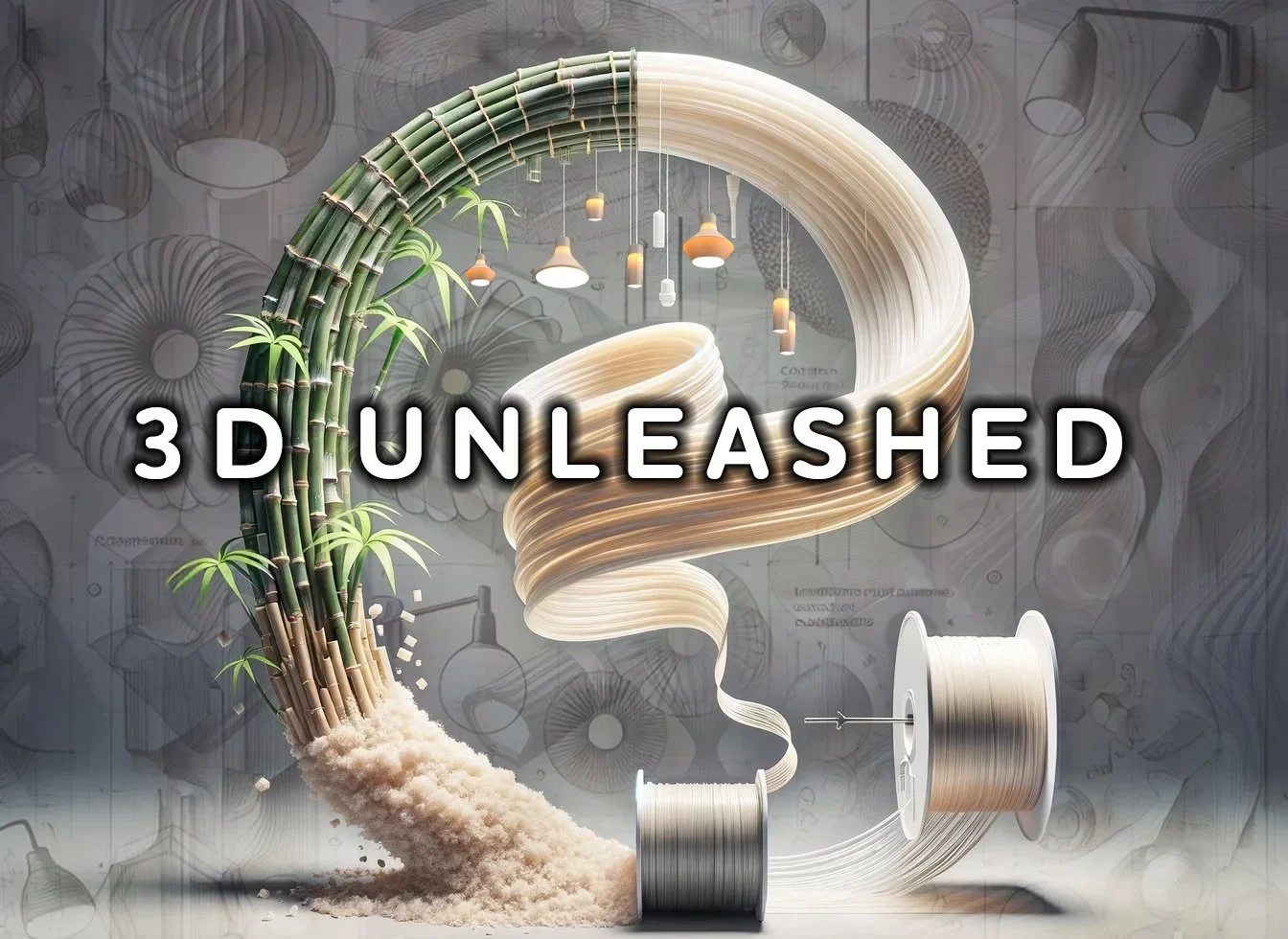
The advent of 3D photography has revolutionized the way we capture and perceive images, creating immersive experiences that transcend the limitations of traditional 2D photography. By harnessing depth and space, 3D photography offers a new dimension of creativity, allowing photographers to explore innovative ideas and push the boundaries of visual storytelling. This article delves into the world of 3D photography, exploring inspirational ideas that can help unleash its full potential.
The Essence of 3D Photography
At its core, 3D photography captures three-dimensional images by simulating human binocular vision. This involves capturing two images from slightly different angles and combining them to create a perception of depth. The result is a more lifelike image that provides viewers with a sense of being present within the scene.
The unique aspect of 3D photography lies in its ability to engage viewers on a deeper level, offering a richer experience that can evoke emotions and captivate the imagination. This is achieved through techniques such as stereoscopy, anaglyphs, lenticular printing, and more recently, virtual reality (VR) and augmented reality (AR).
Innovative Inspiration Ideas
1. Nature’s Depth: Capturing the Great Outdoors
Nature offers an abundance of opportunities for 3D photography. From towering mountains to delicate flowers, capturing the depth and scale of the natural world can create breathtaking images. Consider exploring forest trails, coastlines, or even your local park, and focus on how layers of trees, water, and sky can create a sense of depth. Utilizing early morning or late afternoon light can enhance textures and shadows, adding to the three-dimensional effect.
2. Urban Landscapes: The Art of Architecture
Cities are a treasure trove of architectural wonders, offering countless opportunities for 3D photography. Skyscrapers, bridges, and intricate building facades can all be captured to showcase their grandeur and complexity. Experiment with angles and perspectives to highlight the depth and intricacy of urban landscapes. Consider capturing images during different times of the day to play with light and shadow, which can further accentuate the 3D effect.
3. Portraits with a Twist: Depth in Human Expression
3D photography can also add depth to portrait photography, allowing photographers to capture the nuances of human expression and emotion. Experiment with different focal points and depth of field to create portraits that stand out. By playing with perspectives and angles, you can capture dynamic images that reveal more about your subject’s personality and mood.
4. Macro World: Tiny Details in Three Dimensions
Macro photography offers a unique perspective in 3D photography by capturing tiny details that are often overlooked. From the intricate patterns on a butterfly’s wings to the texture of a leaf, macro 3D photography can transform the mundane into the extraordinary. Use specialized equipment like macro lenses and lighting to capture these details, and experiment with depth to bring out the textures and intricacies of your subject.
5. Theatrical Scenes: Storytelling in 3D
3D photography can be a powerful tool for storytelling, allowing photographers to create scenes that are both engaging and immersive. Consider setting up scenes that tell a story, whether it’s a dramatic chase through a bustling city or a serene moment in a quiet room. Pay attention to composition, lighting, and depth to create images that draw viewers into the narrative.
6. Virtual Reality and Augmented Reality: Expanding Horizons
The integration of 3D photography with VR and AR technologies opens up new possibilities for innovation. By creating immersive environments that can be explored in virtual reality, photographers can offer viewers a truly interactive experience. Consider creating virtual tours of historical sites, capturing 360-degree images of exotic locations, or designing augmented reality experiences that bring static images to life.
Techniques and Tools for 3D Photography
To fully unleash the potential of 3D photography, it’s essential to understand the techniques and tools available. Here are some key considerations:
Stereoscopic Photography
Stereoscopic photography involves capturing two images from slightly different angles and combining them to create a 3D effect. This can be achieved using dual-camera setups or specialized 3D cameras. Software tools can then be used to align and process the images for viewing.
Anaglyphs and Lenticular Prints
Anaglyphs are 3D images that require red-cyan glasses to view. They are created by layering images and assigning different color channels to each layer. Lenticular printing, on the other hand, uses a special lens to create a 3D effect that can be viewed without glasses. Both techniques offer unique ways to present 3D images.
VR and AR Integration
For those interested in exploring VR and AR, specialized cameras and software are required to capture and process 360-degree images. These images can then be integrated into virtual tours or augmented reality applications, providing an immersive experience for viewers.
Challenges and Considerations
While 3D photography offers exciting possibilities, there are challenges to consider. Capturing and processing 3D images can be technically demanding, requiring specialized equipment and software. It’s also important to consider the viewing experience, as not all viewers will have access to the necessary equipment to fully appreciate 3D images.
Additionally, composition and lighting play a critical role in creating effective 3D images. Attention to detail is essential to ensure that depth is effectively conveyed and that the final image is visually engaging.
Conclusion
Unleashing 3D photography involves exploring new perspectives, experimenting with techniques, and pushing the boundaries of creativity. By drawing inspiration from nature, architecture, human expression, and technology, photographers can create captivating images that offer a glimpse into a three-dimensional world. Whether you’re capturing the grandeur of urban landscapes or the intimate details of a macro scene, the possibilities of 3D photography are limited only by your imagination.
As technology continues to evolve, the future of 3D photography holds exciting potential, offering innovative ways to tell stories, capture moments, and engage viewers. By embracing these opportunities, photographers can continue to inspire and be inspired, creating images that transcend traditional boundaries and redefine visual storytelling.









Post Comment