Unleashing Experimental 3D Visuals: A Creative Revolution
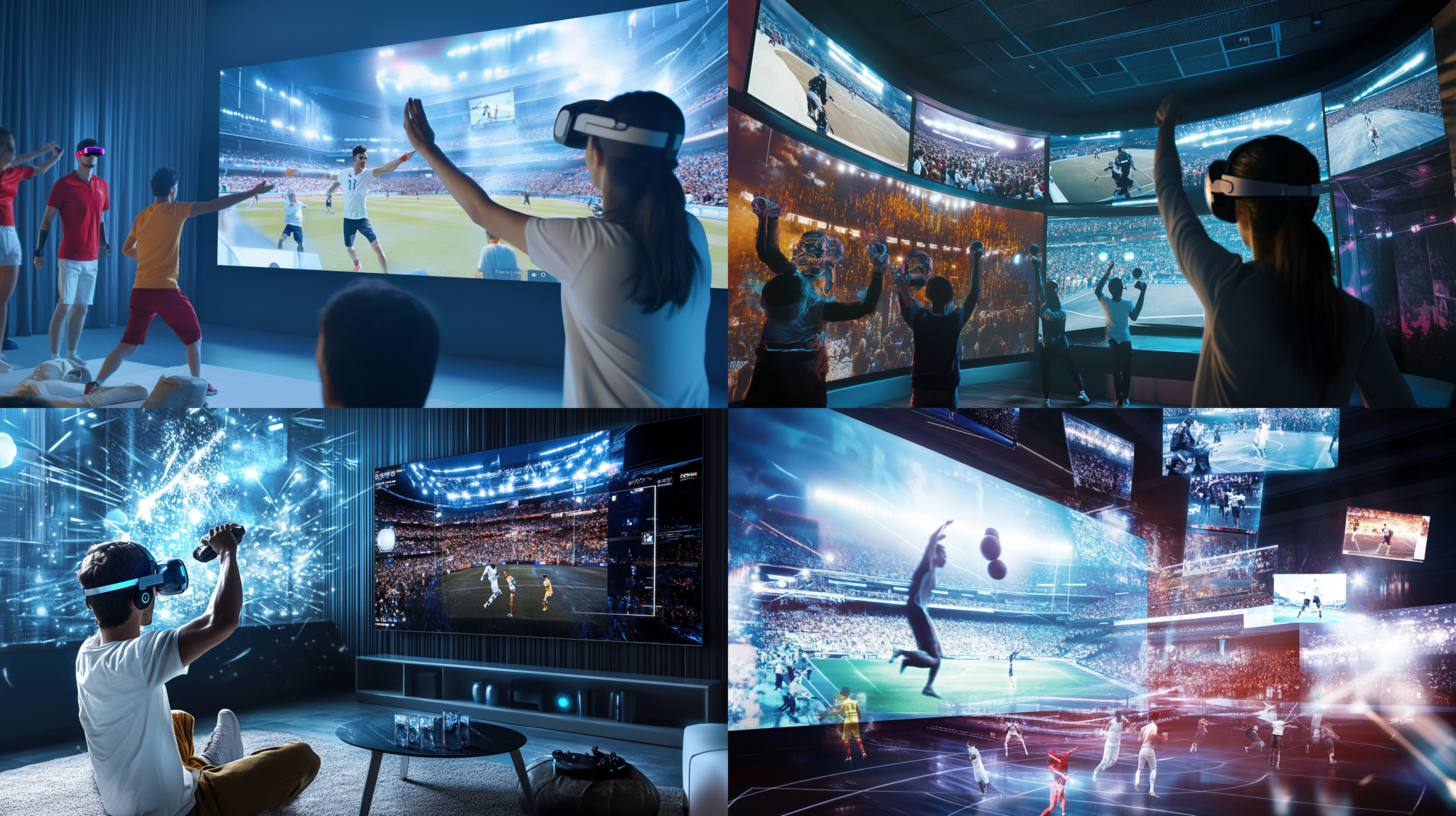
The realm of 3D visuals has undergone a significant transformation in recent years. With advancements in technology and software, artists and designers have been able to push the boundaries of creativity and innovation. This article explores the concept of experimental 3D visuals and how they are revolutionizing the creative industry.
The Evolution of 3D Visuals
3D visuals have come a long way since their inception. From the early days of basic wireframe models to the photorealistic renderings of today, the evolution of 3D visuals has been nothing short of remarkable. With the introduction of more powerful computers and sophisticated software, artists can now create visuals that were once thought impossible.
The Role of Technology
Technology plays a crucial role in the development of 3D visuals. The advent of powerful graphics processing units (GPUs) and high-performance software like Blender, Autodesk Maya, and Cinema 4D has empowered artists to create intricate and complex designs. These tools offer a plethora of features that enable the creation of detailed textures, complex lighting, and realistic animations.
Software Innovations
Software innovations have also played a critical role in the evolution of 3D visuals. Many of these programs support procedural generation, allowing artists to create complex scenes with minimal manual intervention. This shift has enabled a new level of creativity, as artists can experiment with various parameters to achieve unique results.
Experimental 3D Visuals: Breaking the Mold
In recent years, there has been a surge in experimental 3D visuals. Artists are now experimenting with unconventional techniques, styles, and narratives to create visuals that challenge traditional norms. This section delves into the various ways in which experimental 3D visuals are breaking the mold.
Pushing Creative Boundaries
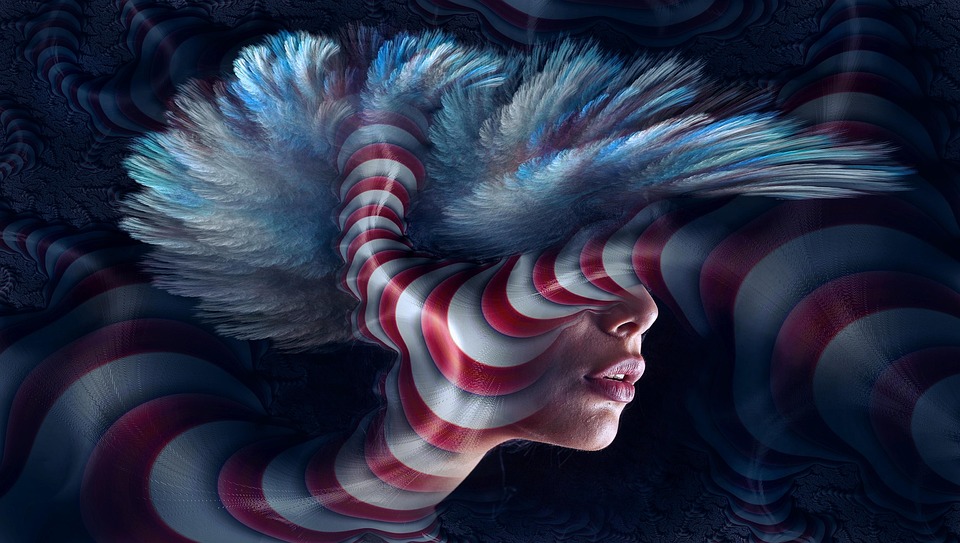
Experimental 3D visuals push the boundaries of creativity by exploring new and unconventional ideas. Artists are no longer confined to photorealism and are venturing into abstract and surreal realms. This shift allows for the exploration of new themes and concepts, resulting in visuals that are not only visually stunning but also thought-provoking.
Blending Art and Technology
Experimental 3D visuals often blend art and technology, resulting in innovative and immersive experiences. By leveraging advancements in virtual reality (VR) and augmented reality (AR), artists can create interactive environments that engage the audience in new ways. This fusion of art and technology opens up new possibilities for storytelling and audience interaction.
Exploring New Mediums
The rise of experimental 3D visuals has also led to the exploration of new mediums. Artists are now using 3D printing, motion capture, and generative design to create physical manifestations of their digital creations. This expansion into new mediums allows for a more tangible and immersive experience, further blurring the lines between the digital and physical worlds.
The Impact of Experimental 3D Visuals
The rise of experimental 3D visuals has had a profound impact on various industries. From entertainment to advertising, this creative revolution is reshaping the way visuals are created and consumed.
Entertainment Industry
In the entertainment industry, experimental 3D visuals have revolutionized the way films, video games, and virtual experiences are created. Filmmakers and game developers are using these visuals to create immersive and engaging worlds that captivate audiences. The use of experimental techniques allows for more dynamic storytelling, resulting in a richer and more engaging experience.
Advertising and Marketing
In advertising and marketing, experimental 3D visuals are being used to create eye-catching campaigns that stand out in a crowded marketplace. Brands are leveraging these visuals to create memorable experiences that resonate with consumers. By using innovative techniques, advertisers can craft compelling narratives that leave a lasting impression.
Architecture and Design
In architecture and design, experimental 3D visuals are shaping the way buildings and products are conceptualized and presented. Architects and designers use these visuals to create realistic simulations of their projects, allowing clients to experience their designs in a virtual space. This approach not only enhances the design process but also improves communication with clients.
Challenges and Opportunities
While the rise of experimental 3D visuals presents numerous opportunities, it also comes with its own set of challenges. This section explores the challenges faced by artists and designers, as well as the opportunities that lie ahead.
Technical Challenges
One of the primary challenges faced by artists and designers is the technical complexity of creating experimental 3D visuals. The intricate nature of these visuals often requires advanced technical skills and a deep understanding of the tools and software being used. Overcoming these challenges requires continuous learning and adaptation to new technologies.
Creative Collaboration
Collaboration is another challenge faced by artists and designers working on experimental 3D visuals. The interdisciplinary nature of these projects often requires collaboration between artists, technologists, and other stakeholders. Navigating these collaborations can be complex, but it also presents an opportunity for cross-pollination of ideas and the creation of truly innovative work.
Opportunities for Innovation
Despite the challenges, the rise of experimental 3D visuals presents numerous opportunities for innovation. As technology continues to evolve, artists and designers have the chance to explore new frontiers and push the boundaries of what is possible. By embracing experimentation and taking risks, they can create visuals that are not only visually stunning but also transformative.
The Future of Experimental 3D Visuals
The future of experimental 3D visuals is bright, with endless possibilities for innovation and creativity. As technology continues to advance, the potential for creating immersive and engaging experiences will only grow. This section explores the trends and developments that are likely to shape the future of this creative revolution.
Integration of AI and Machine Learning
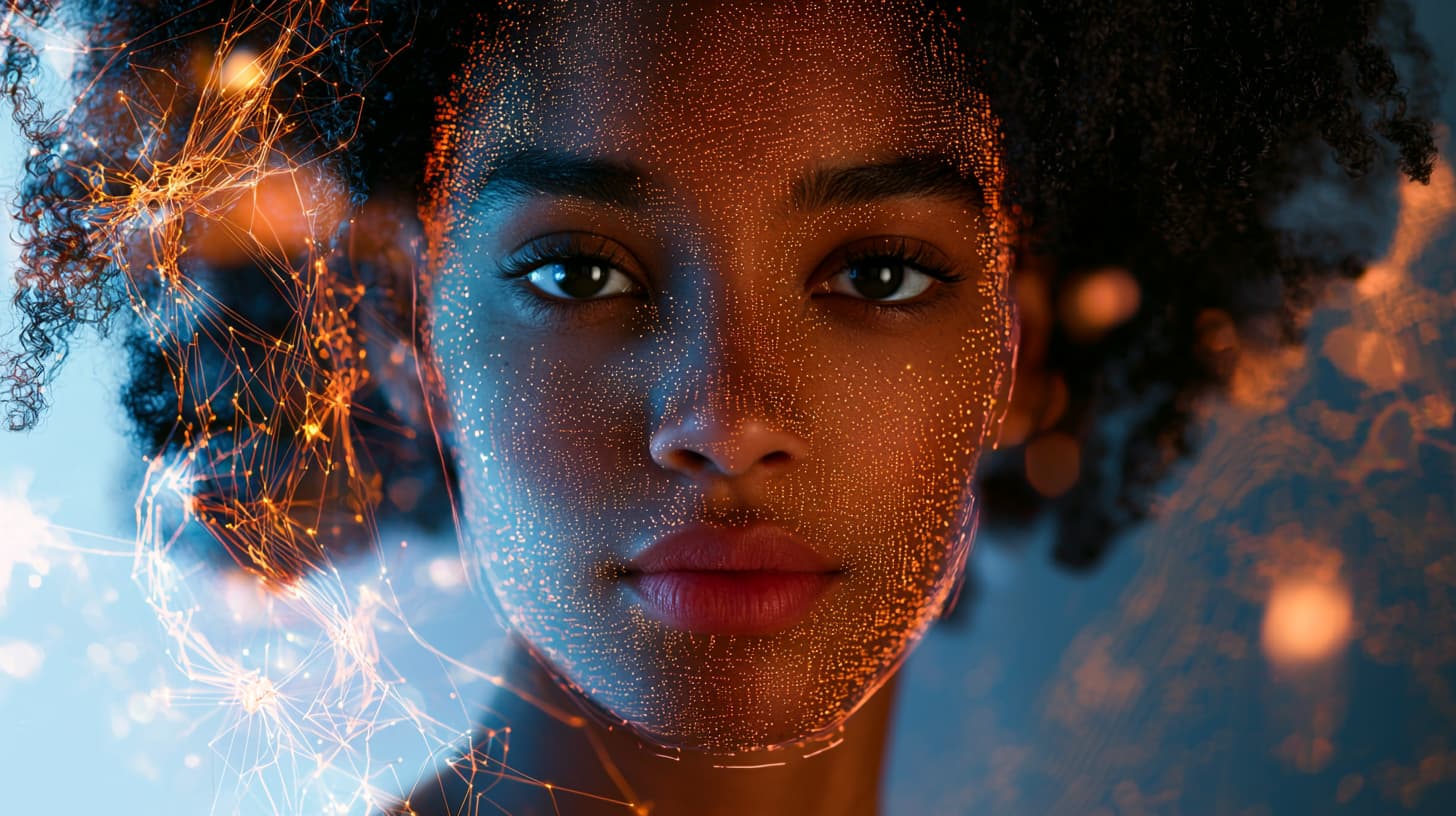
The integration of artificial intelligence (AI) and machine learning into 3D visual creation is a trend that is likely to gain momentum. These technologies have the potential to automate complex tasks, allowing artists to focus on the creative aspects of their work. By leveraging AI, artists can create visuals that are not only more efficient but also more innovative.
Continued Advancement of VR and AR
The continued advancement of VR and AR technologies will play a significant role in the future of experimental 3D visuals. These technologies offer new ways to engage audiences and create immersive experiences. As VR and AR become more accessible and affordable, more artists and designers will have the opportunity to explore these mediums.
Expansion into New Industries
The expansion of experimental 3D visuals into new industries is another trend that is likely to shape the future of this creative revolution. As more industries recognize the potential of these visuals, they will seek to integrate them into their processes and products. This expansion will open up new opportunities for artists and designers, allowing them to apply their skills in a variety of contexts.
Conclusion
Unleashing experimental 3D visuals is a creative revolution that is reshaping the way we create and consume visuals. By pushing the boundaries of creativity and innovation, artists and designers are creating visuals that are not only visually stunning but also transformative. As technology continues to evolve, the potential for creating immersive and engaging experiences will only grow, paving the way for a new era of creativity and innovation.






Post Comment