Unleashing 3D Photo Creativity: Top Tips for Success
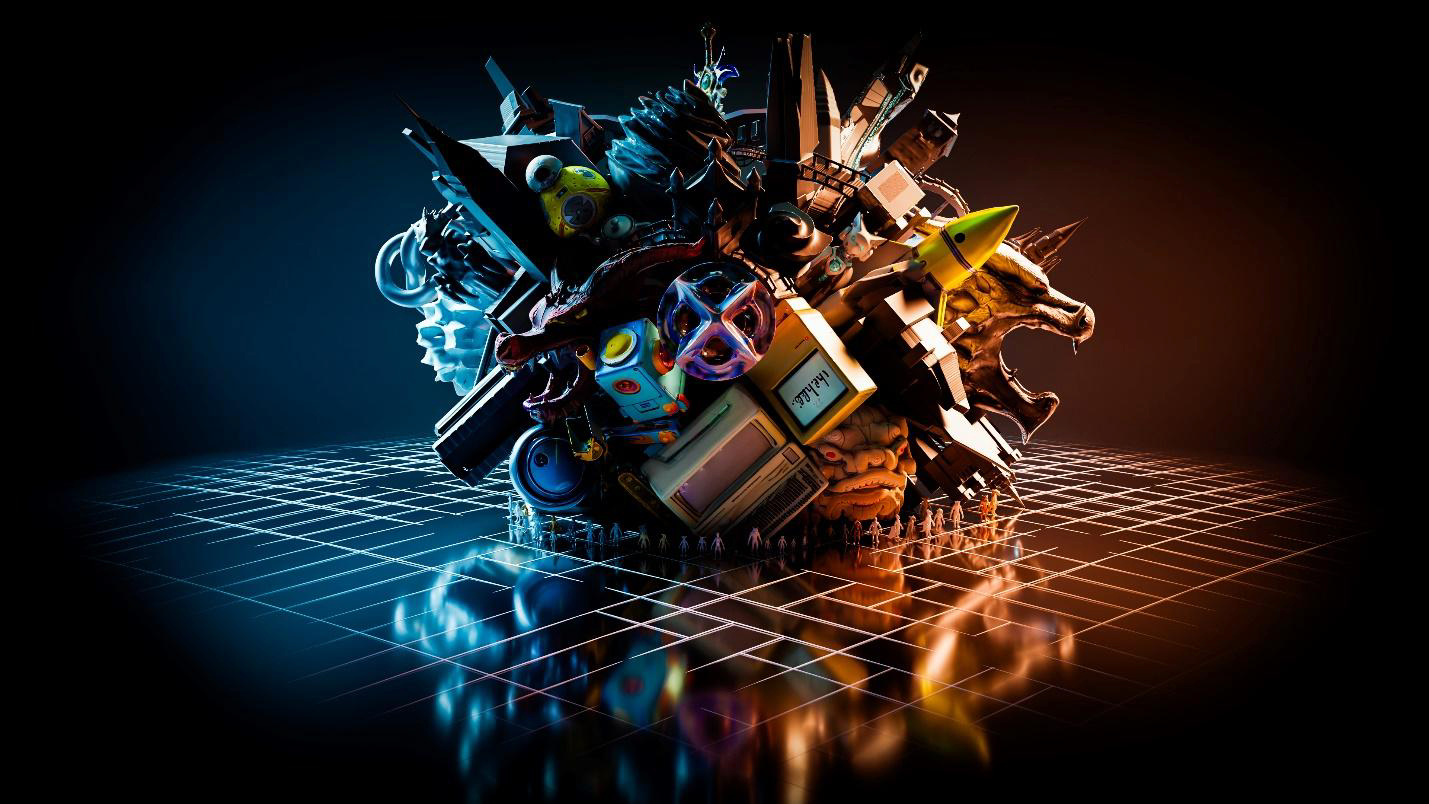
Unleashing 3D Photo Creativity: Top Tips for Success
In the ever-evolving world of digital art and photography, 3D photo creativity stands as a compelling frontier, offering a blend of realism and artistic imagination. As technology advances, the tools and techniques for creating stunning 3D visuals become accessible to both seasoned artists and newcomers alike. This article delves into the intricacies of 3D photo creativity, providing valuable tips for harnessing its full potential.
Understanding the Basics of 3D Photography
Before diving into the creative aspects, it’s essential to grasp the fundamentals of 3D photography. At its core, 3D photography involves capturing images that simulate depth perception, giving the illusion of three-dimensionality. This effect is achieved through techniques that mimic how human eyes perceive depth, such as stereoscopy, anaglyphs, and lenticular prints.
Stereoscopy
Stereoscopy involves capturing two slightly offset photographs that, when viewed together, create a sense of depth. This technique is akin to how our eyes perceive the world from two slightly different angles.
Anaglyphs
Anaglyphs use color filtering to create a 3D effect. By overlaying two images in different colors (commonly red and cyan) and using special glasses, viewers experience a three-dimensional image.
Lenticular Prints
Lenticular printing involves layering images with a lenticular lens to create an illusion of depth and motion. This technique is commonly used in postcards and advertisements.
Essential Tools for 3D Photo Creativity
To embark on your 3D photo creativity journey, you’ll need the right tools. These include both hardware and software solutions that facilitate the creation and editing of 3D images.
Cameras
While traditional cameras can be adapted for 3D photography, specialized 3D cameras are designed to capture images from multiple angles simultaneously. These cameras often come equipped with dual lenses to facilitate stereoscopic imaging.
Software
Post-processing plays a crucial role in 3D photo creativity. Software like Adobe Photoshop and Blender offer robust features for editing and enhancing 3D images. Additionally, dedicated 3D modeling software such as Autodesk Maya or Cinema 4D can be invaluable for creating intricate 3D scenes.
3D Glasses and Displays
To view your creations in their full glory, you’ll need 3D glasses or compatible displays. These tools allow you to experience the depth and realism of your images as intended.
Mastering the Art of Composition in 3D Photography
Composition is a critical element in any form of photography, and 3D photography is no exception. Understanding how to arrange elements within a frame to create depth and balance is key to achieving compelling 3D visuals.
Layering and Depth
One of the primary advantages of 3D photography is its ability to convey depth. By strategically layering elements within a scene, you can guide the viewer’s eye and create a sense of immersion. Consider foreground, middle ground, and background elements, each contributing to the overall composition.
Lighting and Shadows
Lighting plays a pivotal role in enhancing the three-dimensionality of an image. Properly placed light sources can accentuate textures and create shadows that add depth and dimension. Experiment with different lighting setups to achieve the desired effect.
Perspective and Angles
The choice of perspective and angles can dramatically impact the perception of depth in a 3D photo. Experiment with low or high angles to emphasize certain elements or create a dynamic sense of scale.
Incorporating Texture and Detail
In 3D photography, texture and detail are crucial for achieving realism. The human eye is naturally drawn to intricate details and tactile surfaces, making them essential components of compelling 3D visuals.
Surface Textures
Experiment with various textures to add richness and realism to your images. Whether it’s the roughness of stone or the smoothness of glass, textures can greatly enhance the visual appeal of a 3D photo.
Material Properties
Understanding the properties of different materials is essential for creating believable 3D images. Pay attention to how light interacts with surfaces, and use this knowledge to replicate realistic materials like metal, fabric, and water.
Leveraging Post-Processing Techniques
Post-processing is where the magic happens in 3D photo creativity. It allows artists to refine their images, correct imperfections, and add artistic flair.
Color Grading
Color grading is a powerful tool for setting the mood and tone of a 3D photo. By adjusting hues, saturation, and contrast, you can evoke specific emotions and create a cohesive visual style.
Depth of Field
Simulating depth of field can enhance the realism of a 3D image. By blurring background elements, you can draw attention to the main subject and create a sense of depth.
Special Effects
Incorporate special effects such as lens flares, bokeh, and motion blur to add dynamism and intrigue to your images. These effects can elevate a 3D photo from ordinary to extraordinary.
Exploring Creative Possibilities
3D photo creativity is a playground for experimentation and innovation. Don’t be afraid to push boundaries and explore unconventional ideas.
Combining 2D and 3D Elements
Experiment with blending 2D and 3D elements within a single image. This fusion can result in striking visuals that challenge traditional perceptions of photography.
Storytelling Through 3D Photography
Every photograph tells a story, and 3D photography offers a unique medium for narrative expression. Use depth and composition to convey emotions, themes, and narratives within your images.
Staying Informed and Inspired
The world of 3D photo creativity is dynamic and ever-evolving. Staying informed about the latest trends, techniques, and technologies is essential for continued growth and inspiration.
Engage with Online Communities
Join online forums, social media groups, and communities dedicated to 3D photography. Engaging with fellow artists can provide valuable insights, feedback, and inspiration.
Attend Workshops and Conferences
Participate in workshops and conferences to learn from industry experts and gain hands-on experience with the latest tools and techniques.
Conclusion
Unleashing your 3D photo creativity is an exciting journey filled with endless possibilities. By mastering the fundamentals, leveraging the right tools, and embracing experimentation, you can create stunning 3D visuals that captivate and inspire. Whether you’re a seasoned artist or a newcomer to the world of 3D photography, the tips and techniques outlined in this article will serve as a valuable guide on your creative journey. Embrace the challenge, push your creative boundaries, and watch as your 3D photo artistry reaches new heights.
#ChatGPT assisted in the creation of this article.









Post Comment